
Last updated November 22, 2026
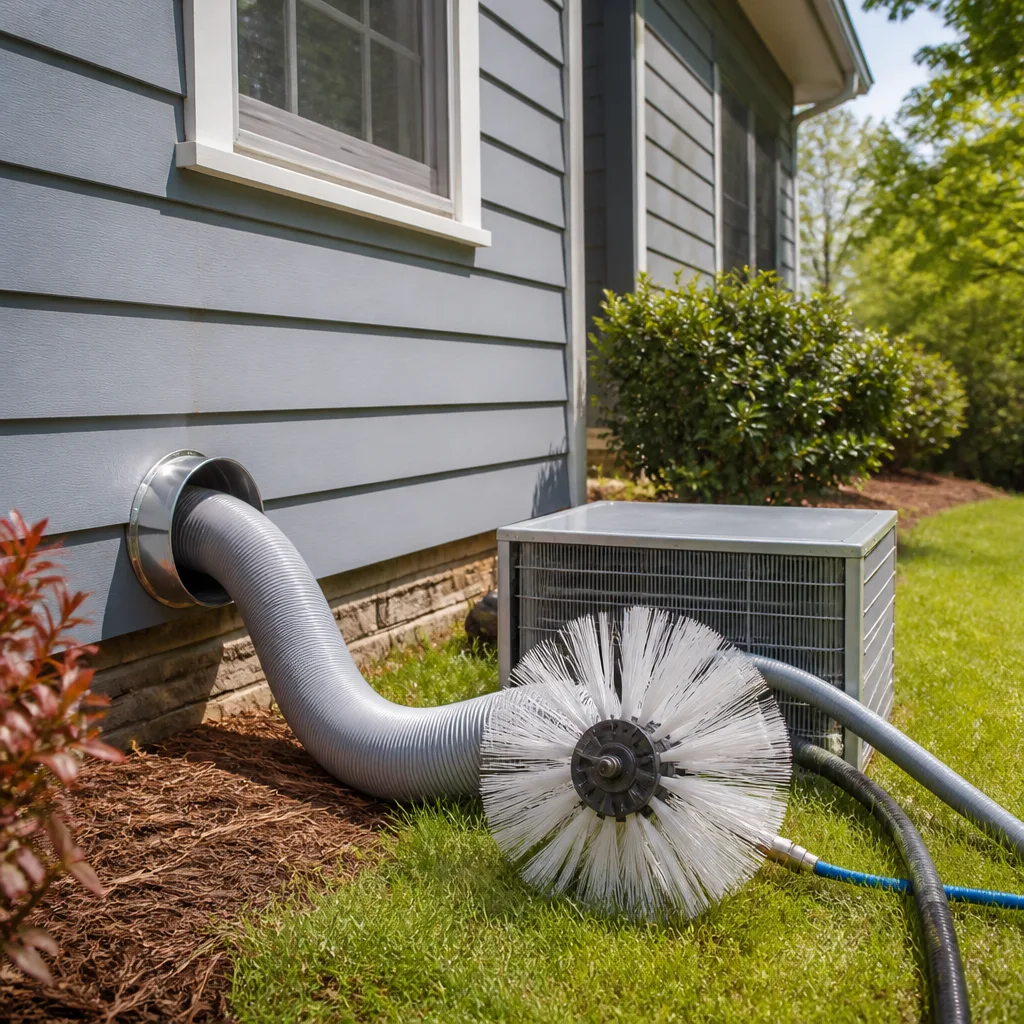 Whole-home duct cleaning
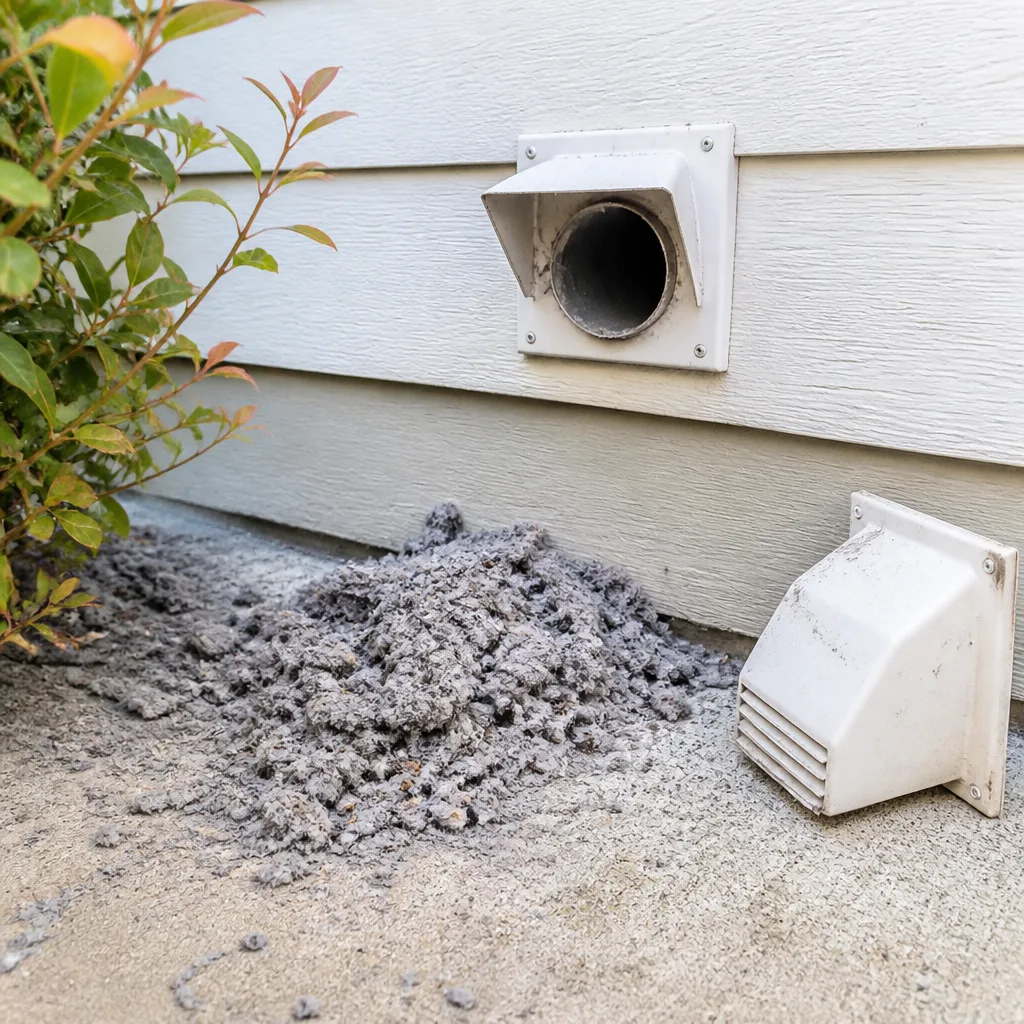 Dryer vent cleaning
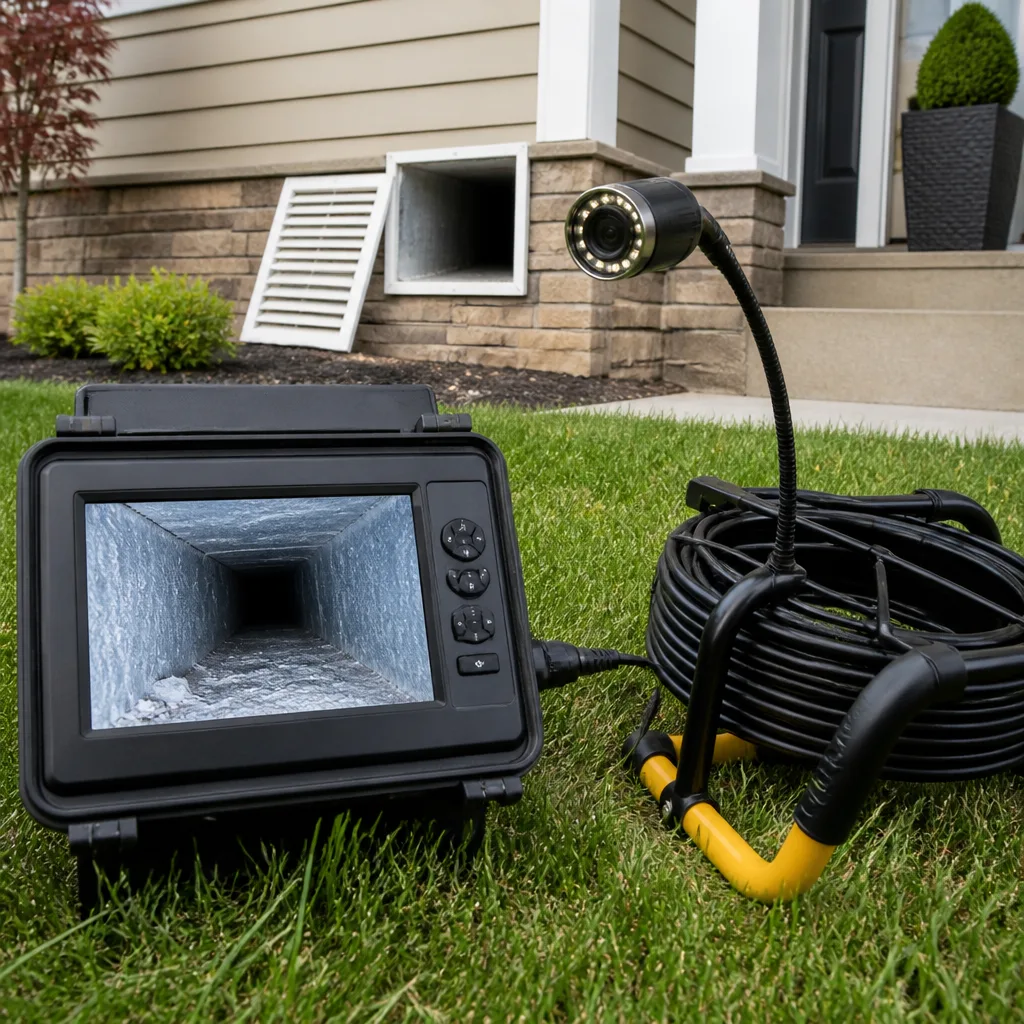 Camera inspection
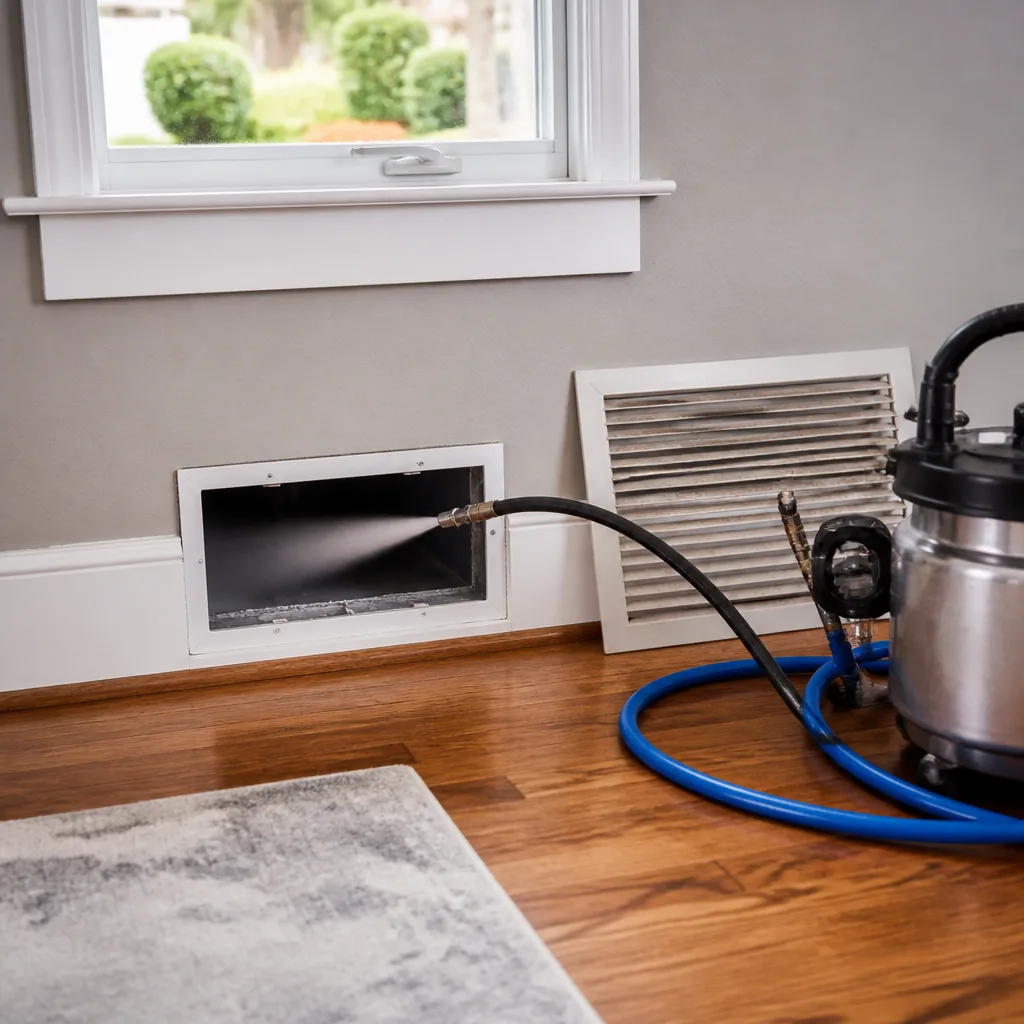 Sanitizing & deodorizing
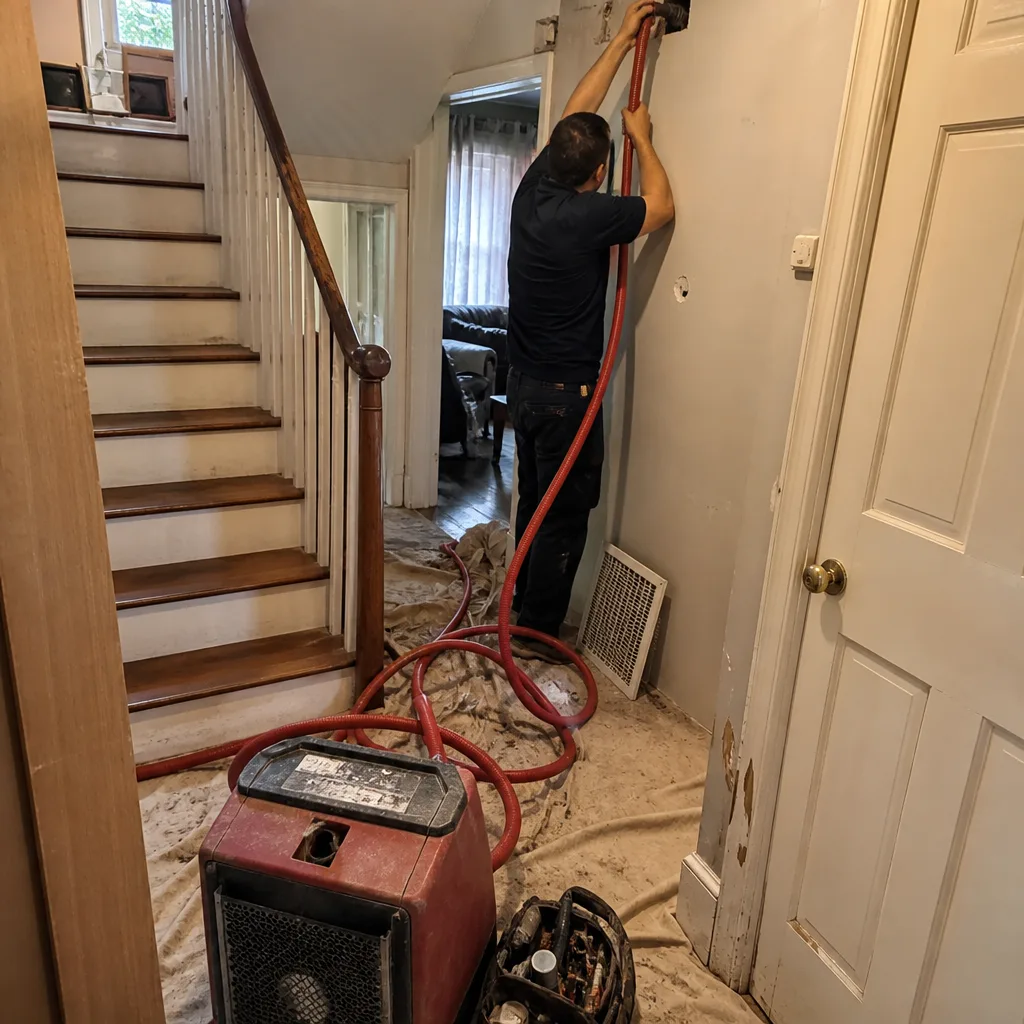
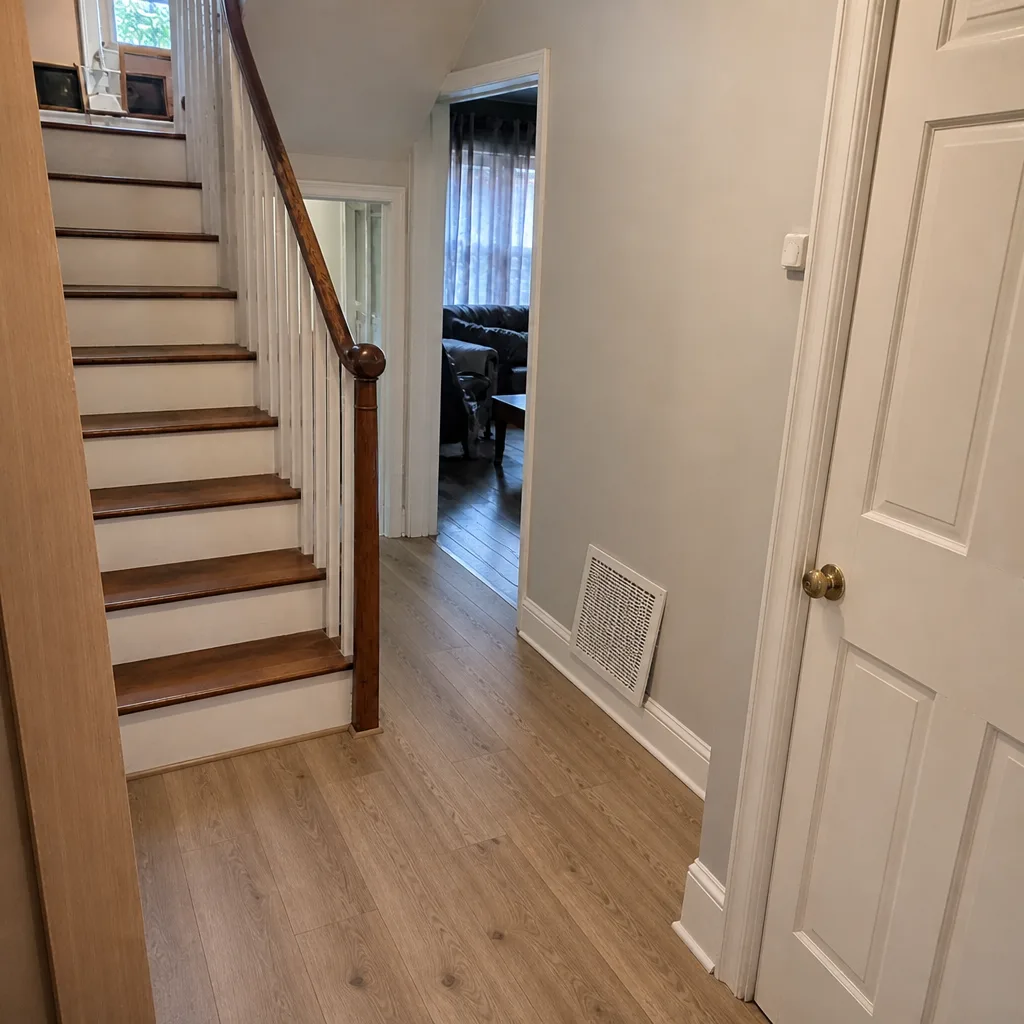
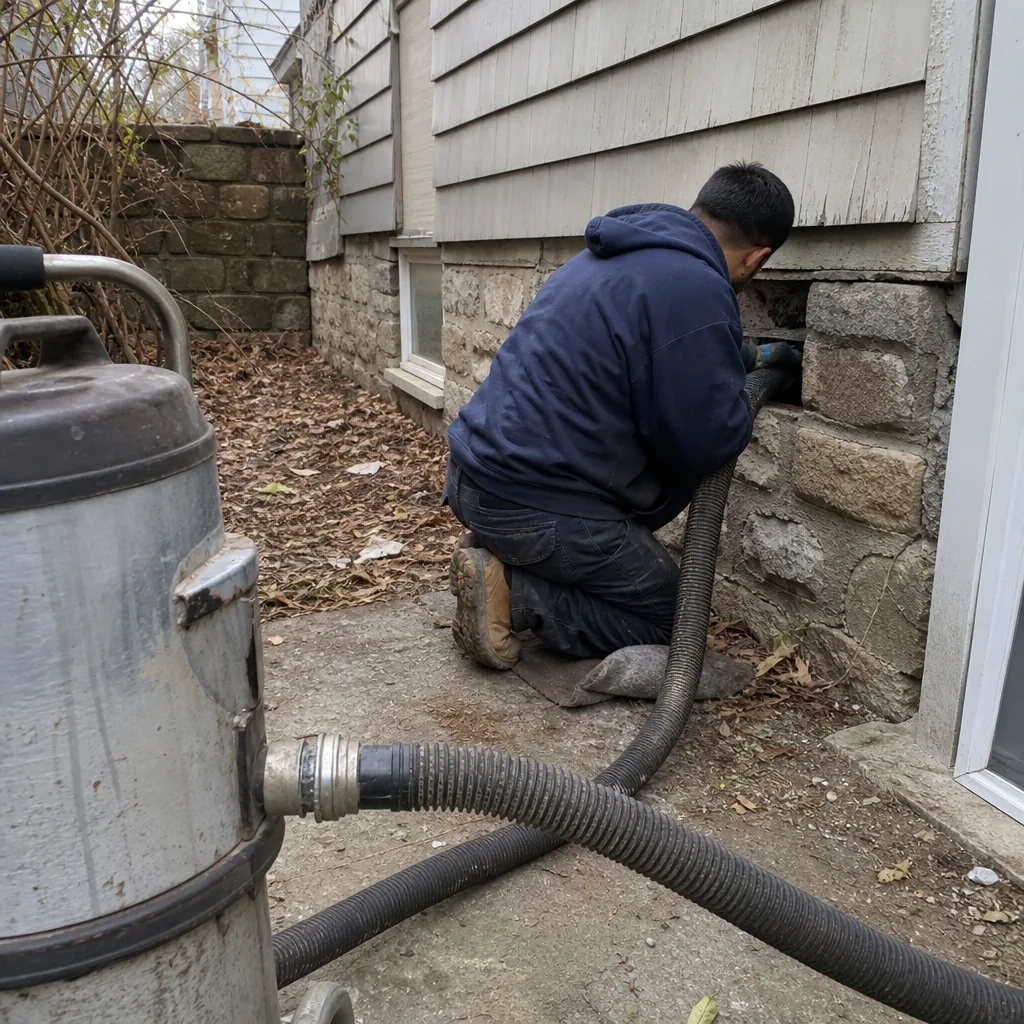
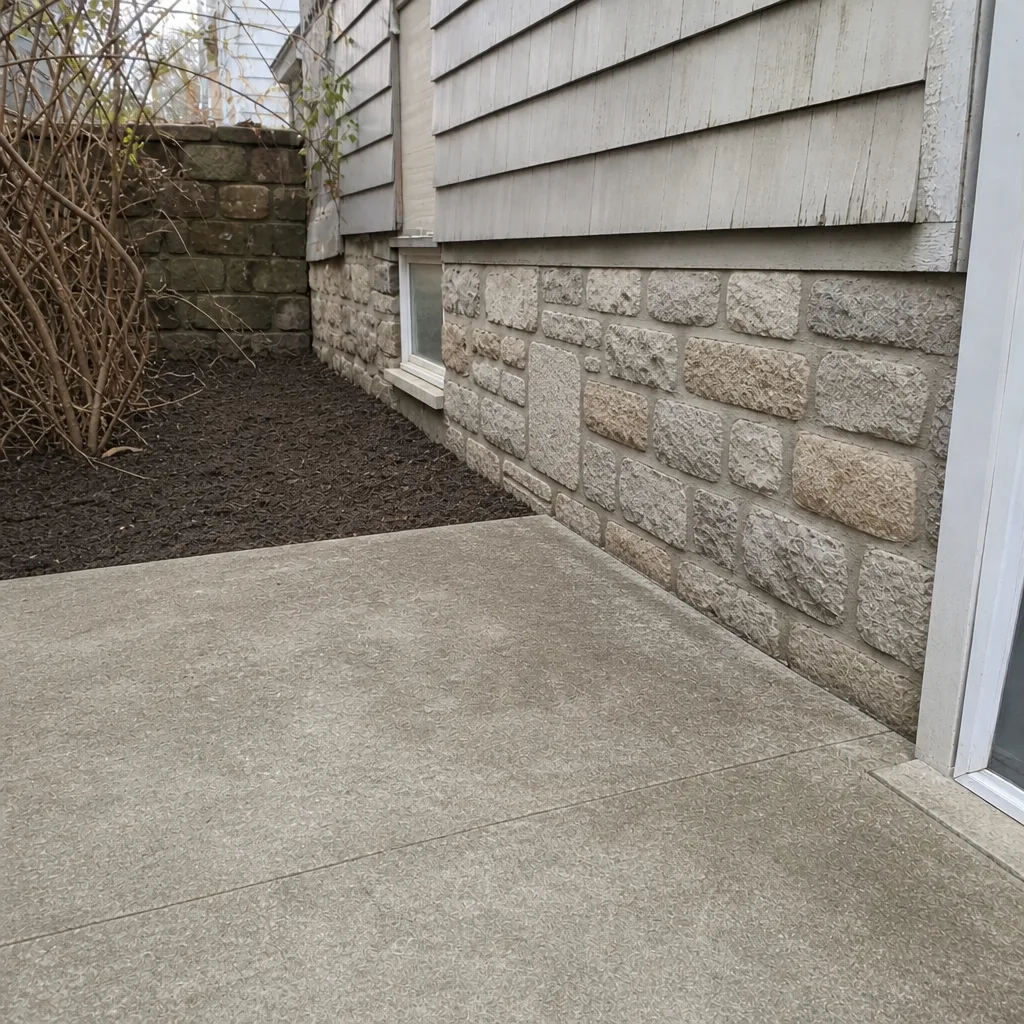
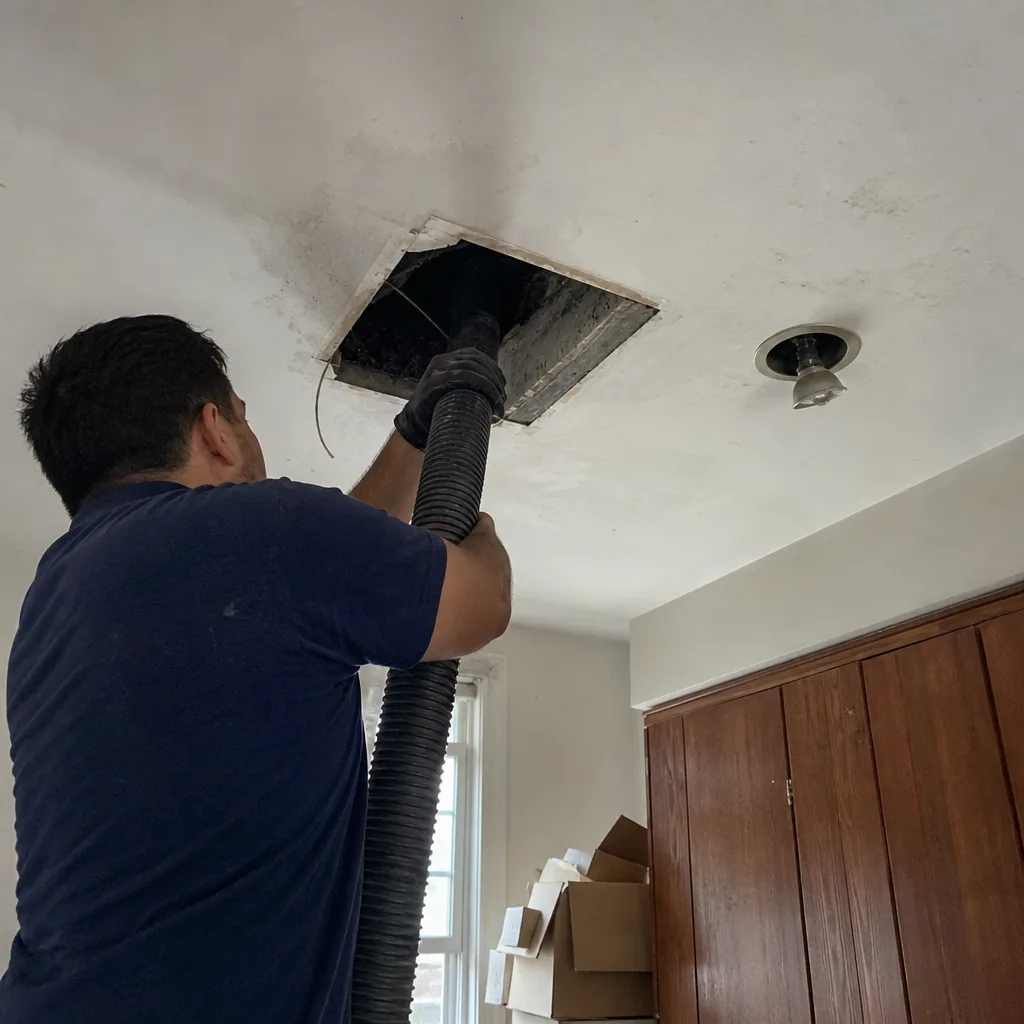
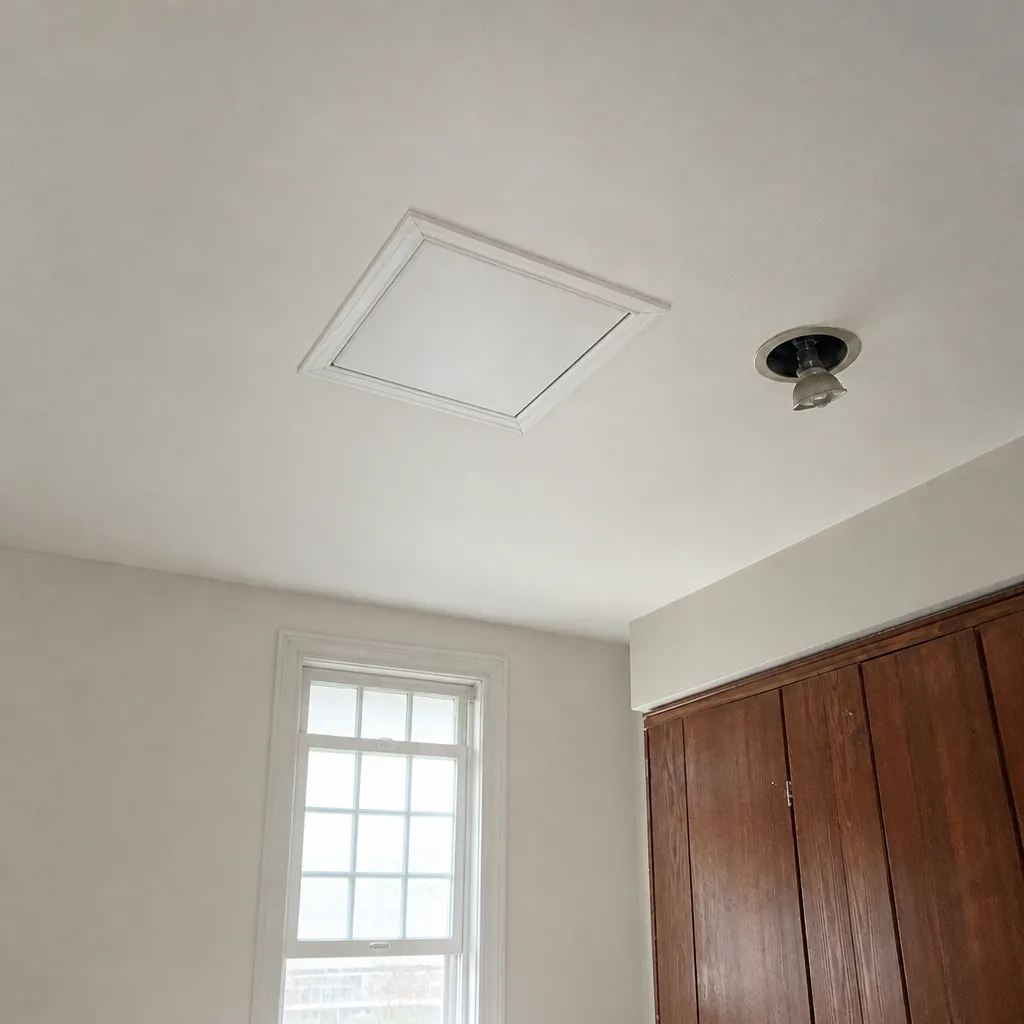
Whole-system duct and dryer vent check with before-and-after photos - you see exactly what came out of your vents
That "$99 whole-house special" is a bait ad - the real number appears once they are in your hallway, or the "clean" is a shop-vac at the register. We photograph the inside of your ducts before and after instead.
Air Duct Cleaning Cost Breakdown: The Forest Hills Homeowner’s Reference for 2026
Two quotes land in your inbox for the same Forest Hills colonial: one at $149, one at $650. They aren’t competing on price. They’re describing two different jobs. The $149 quote is a supply-side vacuum pass. The $650 quote is a full-system service that touches the supply runs, the returns, the air handler, the coil, and the blower. The homeowner who picks the lower number without understanding the gap usually pays both, in sequence, a few months apart. This guide breaks down what each price tier in Forest Hills actually includes and excludes in 2026, how to itemize the add-ons that get tacked on, and how to read a quote so you’re comparing like with like.
Quick Answer
Air duct cleaning in Forest Hills in 2026 typically runs from about $89 for a single-run vacuum pass up to $1,200 or more for a full-system service on a large multi-story home, with most complete whole-house jobs landing between $400 and $750. The spread reflects scope, not competition: how many components get cleaned, how accessible the ductwork is, and whether the job includes sanitizing, sealing, or coil work. A written scope of work and a flat price per system, agreed before anything starts, is what separates a real quote from a teaser.
Styles & brands we work with
- Whole-home duct cleaning
- Dryer vent cleaning
- Camera inspection
- Sanitizing & deodorizing
Table of Contents
- Why the Same Forest Hills Home Gets Quotes From $89 to $1,200
- The Cost Matrix: What Each Price Tier Actually Includes
- Add-On Costs: What’s Worth It and What Gets Upsold
- Cost Factors Specific to Forest Hills Housing
- How to Read a Quote: Scope of Work vs. Vague Promises
- The Cost of Not Cleaning: Efficiency, Equipment Life, and Remediation
- Why This Isn’t a Shop-Vac Job
- Common Mistakes to Avoid
- When to Call a Professional
- Frequently Asked Questions
Why the Same Forest Hills Home Gets Quotes From $89 to $1,200
The $89 to $1,200 range isn’t a market failure. It’s a scope ladder, and every rung cleans a different amount of the system. If you don’t know which rung a quote sits on, the numbers look random.
Here’s what actually moves the price on a Forest Hills job:
- Which components get cleaned. Supply ducts only is the cheapest tier. Adding returns, the air handler cabinet, the evaporator coil, and the blower fan multiplies the labor time, and those are the components that hold most of the accumulated debris.
- Duct run length and layout. A multi-story Forest Hills home with long horizontal runs in the basement and full vertical stacks to the second floor takes longer than a single-story ranch with short runs. Labor follows the linear footage.
- Access. Drops in finished ceilings, tight chases, and co-op buildings with shared ductwork all mean more time setting up guards, cutting access points, and resealing afterward.
- Condition of the ductwork. Ducts with disconnected joints, crushed flex runs, or heavy microbial growth need repair or sanitizing work on top of cleaning.
- Equipment grade. Consumer-grade vacuums and a hose on a shop vac can’t generate the negative pressure a proper duct cleaning system does. Professional systems like the Rotobrush and Nikro setups we use put the whole duct under negative pressure so debris is captured, not redistributed.
When you see a low number, the question isn’t “why so cheap.” It’s “what did they leave out.” A $149 quote almost always means supply-only vacuuming with no return-side work, no air handler, no coil, and no sanitizing step. On a Forest Hills home that’s been lived in for a decade or more, that leaves the majority of the contamination untouched.
For a full-service scope that includes cleaning, sealing, and the air quality steps, the Forest Hills Air Duct Cleaning service model covers the entire air pathway from the HVAC cabinet to the vent cover, which is why the total is higher than a one-pass vacuum but usually lower than paying twice.
The Cost Matrix: What Each Price Tier Actually Includes
Below is a realistic 2026 breakdown for Forest Hills homes by service tier. These are typical estimate ranges for the market, not fixed prices. The written estimate for your specific home sets the final number, and it should always specify what’s being cleaned, what equipment is used, and what’s excluded.
Base Service: Supply Duct Vacuuming Only
Typical range: $89 to $250
This is the tier the teaser quotes live in. It covers a negative-pressure vacuum pass over the supply runs, from the air handler connection to the vent covers. Nothing more.
- Included: Supply duct runs, vent cover removal and re-installation.
- Excluded: Return ducts, air handler interior, evaporator coil, blower, sanitizing, any repair or sealing, dryer vent.
On a small co-op with short runs and minimal ductwork, this can be a reasonable starting point if the system was recently serviced. On a two-story Forest Hills colonial with a basement air handler and twenty-plus years of accumulation, supply-only cleaning leaves the return side and coil untouched, which is where the musty odor usually lives.
Mid-Tier: Supply + Return Ducts
Typical range: $300 to $500
This tier adds the return duct runs, which on most Forest Hills homes are larger in diameter and carry a heavier load of dust and debris because they pull from every room. It’s the minimum you’d want on a home that’s had a recent renovation or a visible dust problem.
- Included: Supply runs, return runs, vent covers, negative-pressure setup with HEPA filtration.
- Excluded: Air handler cabinet interior, evaporator coil, blower fan, sanitizing, repair and sealing.
Full-System Service: Supply, Return, Air Handler, Coil, Blower
Typical range: $500 to $900
This is the tier where the whole air pathway gets cleaned. The air handler cabinet, the evaporator coil, and the blower fan are opened, cleaned, and checked. On a Forest Hills home that’s more than a decade old and has never had the coil cleaned, this is usually the first service that produces a measurable airflow improvement.
- Included: Supply and return runs, air handler cabinet, evaporator coil, blower fan, vent covers, negative-pressure setup.
- Excluded: Sanitizing treatment, duct repair and sealing, dryer vent, UV or filtration upgrades, remediation if biological growth is found.
Full Extension: Full-System Plus Sanitizing, Sealing, and Dryer Vent
Typical range: $750 to $1,200 or more
This is the complete job: clean, then protect. The sanitizing step treats duct surfaces after cleaning, using Guardsman-level care standards, so the duct is treated as a surface that needs protection, not just a cavity that needs emptying. Duct repair and sealing close the leaks that would otherwise pull unfiltered air back in and undo the cleaning. The dryer vent cleaning gets added because the dryer vent is the other duct run in the home that accumulates lint and restricts airflow.
- Included: Everything in full-system, plus sanitizing treatment, duct repair and sealing, and dryer vent cleaning.
- Often added: Coil cleaning on a separate schedule, filtration or purification upgrades from brands like Honeywell, Aprilaire, or Abatement Technologies.
Multi-story homes in Forest Hills with long runs and multiple zones land at the upper end of that range. The numbers above are typical estimates; the written estimate for your home is the final word.
Add-On Costs: What’s Worth It and What Gets Upsold
Every legitimate duct cleaning company charges separately for some of these items. That’s not a red flag. What matters is whether the add-on is priced on its own and justified by the condition of your system, or tossed in as a scare tactic on the invoice.
Here’s how to sort them.
Sanitizing Treatment
Typical add-on: $75 to $200. Worth it if there’s a musty odor, visible microbial growth on the ducts, water damage history, or a recent pest issue. Not worth it if the ducts are simply dusty. The right sequence is clean first, sanitize second, which is exactly why it’s a separate line item rather than a bundled surprise.
Duct Repair and Sealing
Typical add-on: $150 to $600, depending on how many leaks and joints need attention. Clean ducts are only part of the solution. Sealed, intact ducts are the other. If a return joint is disconnected in the basement or a flex run is crushed behind a knee wall, sealing fixes the energy loss that cleaning alone can’t. Worth it whenever the inspection finds leaks or structural problems.
Coil Cleaning
Typical add-on: $100 to $250. Worth it if the coil was never cleaned or if airflow is uneven. On a Forest Hills home with a sealed basement cabinet, the coil collects fine dust for years and gets missed by supply-only cleaning.
Dryer Vent Cleaning
Typical add-on: $75 to $175. Worth it on any home where the dryer has been running longer to dry the same load. The lint that accumulates in the dryer exhaust run is the same kind of debris that accumulates in the air ducts, and it’s the more time-sensitive of the two.
Filtration and Purification Upgrades
Typical add-on: varies by product. Worth it if the existing filter is the wrong grade for the household or if there’s a known air quality concern. Brands like Honeywell and Aprilaire make whole-house filtration and media cabinets that integrate with the existing HVAC system. Abatement Technologies makes HEPA and negative-pressure equipment that matters on certain jobs. These are upgrades, not upsells, when the recommendation is specific to your system.
UV Light Installation
Typical add-on: varies by system. The upsell flag goes up when UV lights are pitched as a substitute for cleaning rather than a supplement to it. UV treatment works on the coil surface and moving air, not on a duct full of accumulated dust. Clean first, then decide if a UV system earns a place in your setup.
Cost Factors Specific to Forest Hills Housing
Forest Hills isn’t a generic suburb, and a duct cleaning quote that ignores the housing stock will miss the labor realities. The layout of the homes here drives the price as much as the square footage does.
Multi-Story Homes and Long Duct Runs
The colonials and tudors common in Forest Hills sit on multiple levels, which means the duct system does too. A basement air handler with a vertical stack to the second floor and horizontal runs to each room is a lot more linear footage than a single-story ranch. The air duct cleaning price follows that footage, and it follows the complexity of reaching the second-floor runs with a proper hose and negative-pressure setup.
Older Homes and Asbestos-Adjacent Materials
Homes of a certain age may have duct insulation, tape, or joint sealant that contains asbestos-adjacent materials. We can’t tell you from the outside whether a given material needs special handling, and the answer is a matter for a licensed asbestos professional, not a duct cleaning crew. If your home is old and the ducts are wrapped in what looks like paper-faced insulation or cardboard, ask before anything gets disturbed. Any legitimate contractor should be willing to say “we need this checked first” rather than cut into it to hit a scheduled price.
Co-Op Apartments and Shared Ductwork
Forest Hills has a substantial co-op market, and co-ops bring their own cost factors. Shared ductwork, restricted roof access, steam risers in the same chases, and building rules about who can be let up to the roof all add labor time. A co-op quote that assumes the same scope as a detached-house quote will usually understate the work, which means the final invoice grows once the technician is on site. Co-op jobs should be quoted on inspection, not over the phone.
Pre-War Building Layouts
Older buildings often have ducts routed through chases that were never designed for modern cleaning equipment. Fitting a rotary brush or a negative-pressure hose into a tight pre-war chase takes setup time. On these jobs, the difference between a $350 quote and a $550 quote is frequently the time it takes to protect floors, set up guards, and reseal access points properly.
How to Read a Quote: Scope of Work vs. Vague Promises
A legitimate quote specifies what gets cleaned, with what equipment, and what’s excluded. A vague “whole home cleaning” line leaves scope undefined, which is how a $149 teaser becomes a $1,100 invoice.
Here’s how to read the quote in front of you.
What a Real Scope of Work Contains
- A component list. Supply runs, return runs, air handler, coil, blower, vent covers, dryer vent. Each named individually. If the quote says “whole home cleaning” without naming components, ask which ones are actually included.
- Equipment named. The specific system used, and whether it operates under negative pressure with HEPA filtration. Rotobrush and Nikro systems are the professional-grade machines used on the jobs we handle; a shop vac is not the same tool.
- Access points called out. Where the crew will open the system, and whether those openings will be resealed afterward.
- What’s excluded. Sanitizing, sealing, repair, and dryer vent are usually excluded unless the quote says otherwise. That’s fine, as long as it’s stated up front.
- Before-and-after photos. A real scope includes the documentation. If the quote doesn’t mention photos, ask whether you’ll see your own ducts before and after the work.
- One flat price per system. Not per vent, not per hour, not a base price plus a menu of “if we find” add-ons. The flat price should be agreed before work starts.
Red Flags in a Cheap Quote
- Per-vent pricing that grows as the technician counts vents on site.
- No component list, just a single “whole home” line.
- No named equipment.
- No mention of before-and-after photos or scope documentation.
- A price that doesn’t survive the walkthrough.
The air duct cleaning pages we run on the whole-system approach include the full component list, the equipment, and the documentation, because that’s how the quote and the invoice should match.
The Cost of Not Cleaning: Efficiency, Equipment Life, and Remediation
Skipping duct cleaning doesn’t save money. It delays a cost and adds interest. Here’s the practical breakdown of what accumulates when cleaning is deferred, framed in mechanical terms rather than scare tactics.
- Reduced HVAC efficiency. A coil that’s coated with dust loses heat-transfer capacity. The system still runs, but it runs longer to move the same amount of air, which shows up on the electric bill without showing up on the thermostat.
- Shortened equipment life. A blower working against restricted airflow wears harder. The compressor on an AC unit that’s short-cycling from a dirty coil takes the stress. The equipment doesn’t fail suddenly; it wears out faster over time.
- Recontamination cycle. Leaky ducts pull unfiltered air from basements, garages, and crawl spaces into the living space. Cleaning without sealing just resets the clock. That’s why repair and sealing show up in the honest quotes and not in the cheap ones.
- Remediation if biological growth is found. If a moisture problem has grown mold inside the ductwork, cleaning alone won’t fix it. The remediation work involves finding the moisture source, addressing it, cleaning and sanitizing the affected runs, and often repairing the duct. That’s a different order of cost than routine cleaning, and it’s the reason a seasonal check is cheaper than a deferred one.
In our experience, the households that call us because of allergy flare-ups and uneven airflow usually find that the problem isn’t a single component but a system: dirty coil, leaking returns, disconnected runs, and unsealed boots. Fixing the whole system once costs more than a supply vacuum but less than addressing the same problem in stages.
Why This Isn’t a Shop-Vac Job
A shop vac at the vent cover can pull some surface dust. It can’t put the duct system under negative pressure, which is the core mechanic of a professional clean. Without negative pressure, the vacuum dislodges debris and pushes some of it back into the rooms through other openings.
What a professional system does differently:
- Seals the system. All openings are connected to a HEPA-filtered vacuum that puts the whole duct under negative pressure for the duration of the job.
- Agitates the full run. A rotary brush or whip travels the length of each duct, loosening the adhered debris that airflow alone can’t lift.
- Captures and contains. The debris travels into a HEPA-filtered containment, not into the room.
- Opens the components. The air handler cabinet, coil, and blower fan are opened, cleaned, and checked for wear and leaks. This is where most of the contamination lives and where a vent-only clean never reaches.
- Documents the work. Before-and-after photos of the actual ducts, not stock imagery.
For the health side of the same question, the HVAC cleaning work covers the equipment that the duct system serves, and it’s the piece most households skip when they book a duct clean. A cleaned duct connected to a dirty coil still delivers air that picks up the coil’s dust on the way through.
Common Mistakes to Avoid
- Treating the lowest quote as the safe bet. A $149 quote on a multi-story Forest Hills colonial is almost always supply-only. You aren’t buying the same service the $650 quote described, so the numbers don’t compare.
- Not asking what’s excluded. Every quote excludes something. If it doesn’t name the exclusions, that’s not because there aren’t any.
- Buying sanitizing as the first step. Sanitizing without cleaning first seals debris in place. Clean, then sanitize, always.
- Assuming the vent covers tell the story. Dust on a vent cover is the visible symptom. The coil and the air handler are where the accumulation usually lives, and neither is visible without opening the system.
- Cleaning without sealing. If the return joints in the basement are disconnected, cleaning the ducts reopens a funnel for the same dust to come back in. Ask what happens to leaks after the cleaning passes.
- Skip the dryer vent because the air ducts are the priority. The dryer vent is a duct run too. A blocked vent makes the dryer work harder and it’s the more time-sensitive of the two lines.
- Comparing a co-op quote to a house quote. Shared ductwork, roof access rules, and tight chases change the labor. Co-op jobs need to be quoted on inspection, not by phone, or the walkthrough will change the price.
When to Call a Professional
Some symptoms point to a duct system that needs professional attention rather than another filter change. If you’re seeing any of these in your Forest Hills home, it’s worth getting a free estimate before the problem grows:
Allergy or asthma flare-ups that get worse indoors. A musty or dusty smell when the heat or AC kicks on. Dust settling on furniture hours after you cleaned. Airflow that’s stronger in some rooms than others. A system that runs longer than it used to for the same comfort level. Visible dust or debris around a return vent. A dryer that takes longer than it used to. A humid, damp feeling in one room when the rest of the house is comfortable. A home that’s had recent water damage or a pest issue. Any of these is a reasonable trigger to have the whole system inspected rather than the vents spot-checked.
Forest Hills Air Duct Cleaning offers free estimates in Forest Hills. Call (844) 274-2194. We answer 24/7. Fast dispatch from 7am to 7pm, Sunday through Friday.
Frequently Asked Questions
Most full-system air duct cleaning in Forest Hills runs between $400 and $900 in 2026, with supply-only vacuuming at $89 to $250 and full-system-plus-sanitizing-and-sealing at $750 to $1,200 or more. The final price depends on home layout, duct run length, and which components get cleaned. Call (844) 274-2194 for an exact quote. Estimates are free.
Because they describe a different, smaller job. A $149 quote is usually supply-duct vacuuming only, with returns, air handler, coil, blower, sanitizing, sealing, and dryer vent excluded. That scope can be legitimate for a recently serviced small co-op, but on a two-story Forest Hills home it leaves most of the contamination untouched. Call (844) 274-2194 for a quote that specifies what’s included and what isn’t.
Ask for before-and-after photos of your own ducts, taken on the day of service. A legitimate contractor documents the work with images of the actual system, not stock photos or a generic report. Insist on a scope of work that names every component, and a flat price per system, agreed before anything starts. Call (844) 274-2194 to book a free estimate.
Most Forest Hills homes don’t need annual cleaning. Every three to five years is a practical interval for a typical household, sooner if there’s a renovation, a pet or smoker in the home, recent water damage, or a family member with allergies or asthma. The right answer for your home is based on the inspection, not a schedule sold over the phone. Call (844) 274-2194 for a free assessment.
Often yes, because shared ductwork, restricted roof access, and tighter chases add setup and labor time. Co-op jobs should be quoted on inspection rather than over the phone, so the scope matches what the technician finds. Call (844) 274-2194 to schedule a free estimate.
Sanitizing treats the duct surfaces after cleaning, using Guardsman-level care standards, so the duct is protected after the debris is removed. It’s an add-on rather than a substitute for cleaning: sanitizing before cleaning seals dust in place. It’s most worth doing when there’s a musty odor, visible microbial growth, or a history of moisture or pest issues. Call (844) 274-2194 to ask whether it fits your system.
The Bottom Line
The spread in Forest Hills duct cleaning prices in 2026 is a scope ladder, not a market glitch. A $89 to $250 quote is supply-only vacuuming. A $400 to $900 quote is typically full-system cleaning of supply runs, returns, air handler, coil, and blower. A $750 to $1,200 quote adds sanitizing, duct repair and sealing, and dryer vent cleaning. Compare quotes on the components they name, the equipment they specify, and whether they show before-and-after photos of your own ducts. One flat price per system, agreed before work starts, is the standard to hold every quote to. The written estimate sets the final price, and the free estimate is the place to start.
Forest Hills Air Duct Cleaning provides five core services: air duct cleaning, dryer vent cleaning, HVAC cleaning, duct repair and sealing, and air quality sanitizing. We use professional-grade Rotobrush and Nikro equipment, and we service or recommend products from Honeywell, Aprilaire, and Abatement Technologies. Our technicians have up to 13 years of experience, and we treat every job as a whole-system service from the HVAC cabinet to the vent cover. Call (844) 274-2194 for a free estimate. We answer 24/7. Fast dispatch from 7am to 7pm, Sunday through Friday.
Written by the team at Forest Hills Air Duct Cleaning.
See the difference
 Before
 After
 Before
 After
 Before
 After