
Last updated November 22, 2026
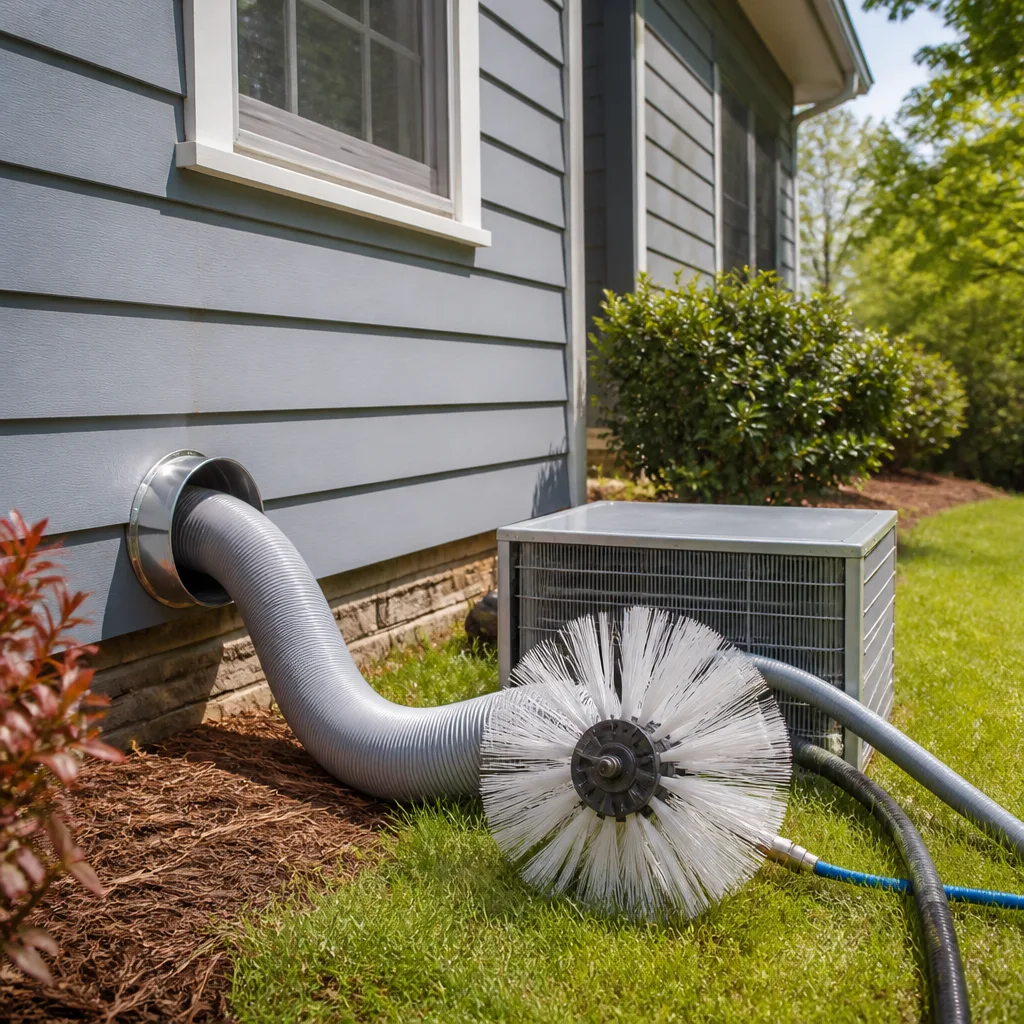 Whole-home duct cleaning
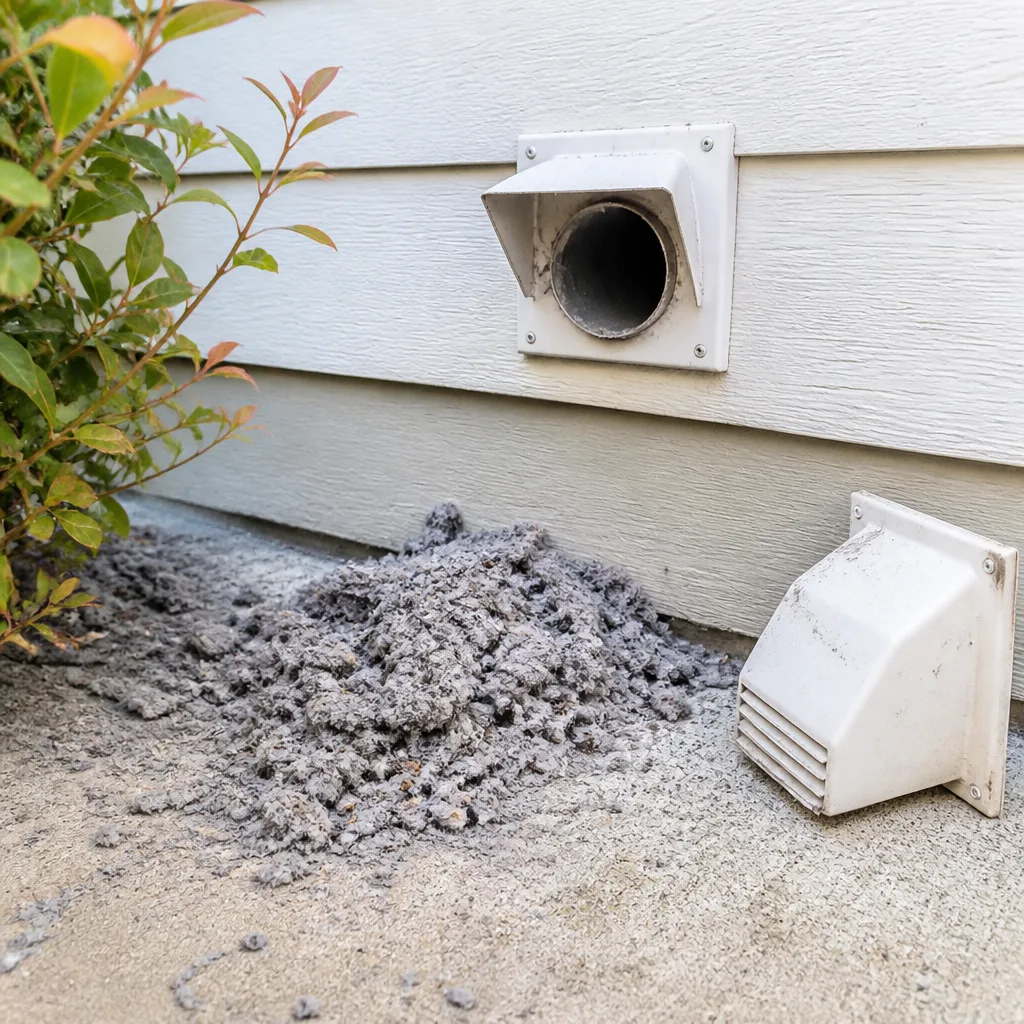 Dryer vent cleaning
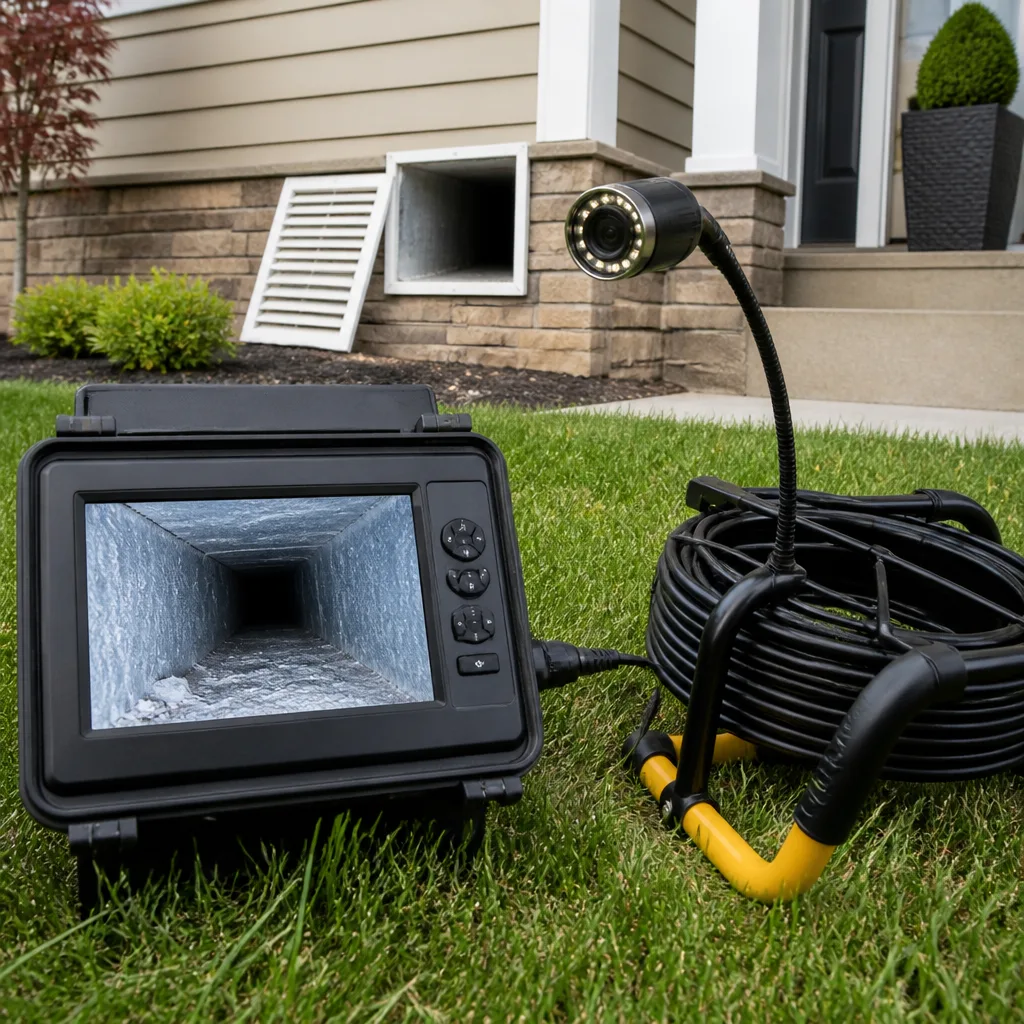 Camera inspection
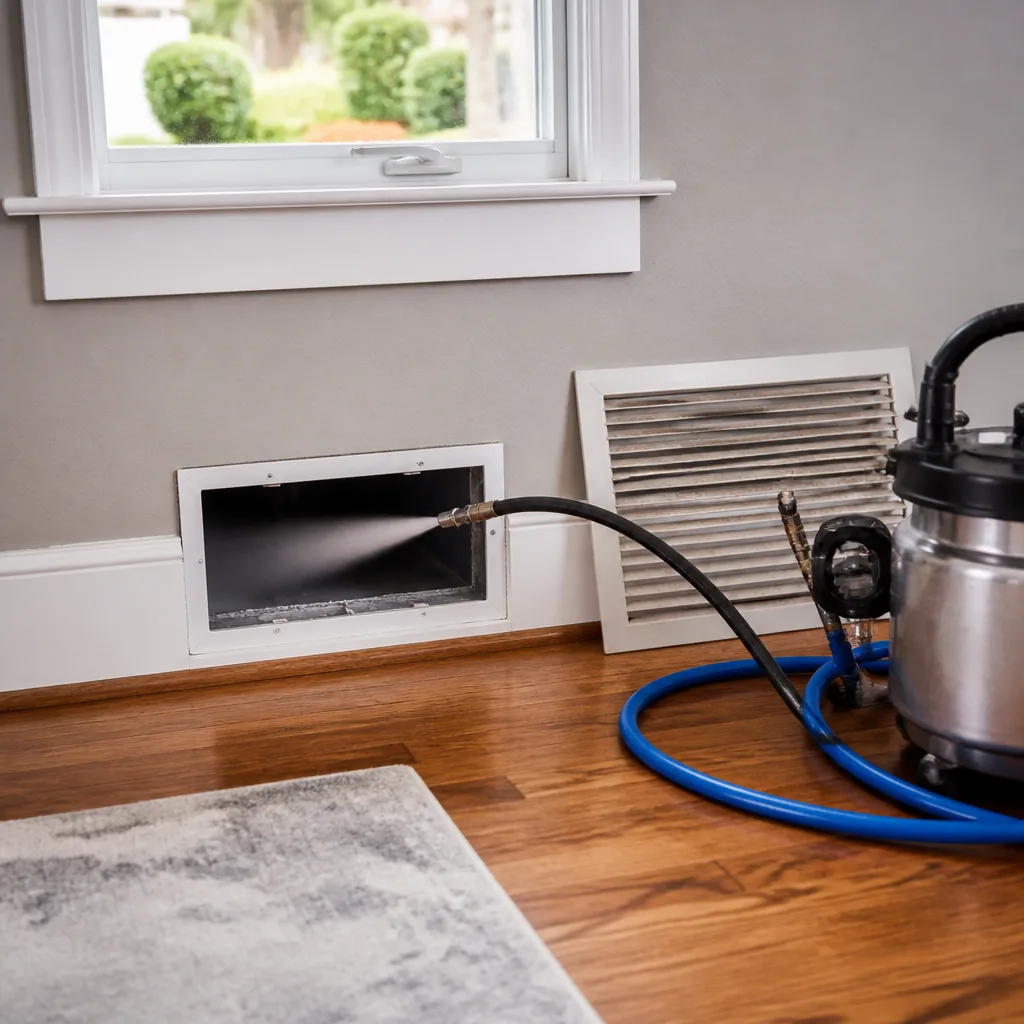 Sanitizing & deodorizing
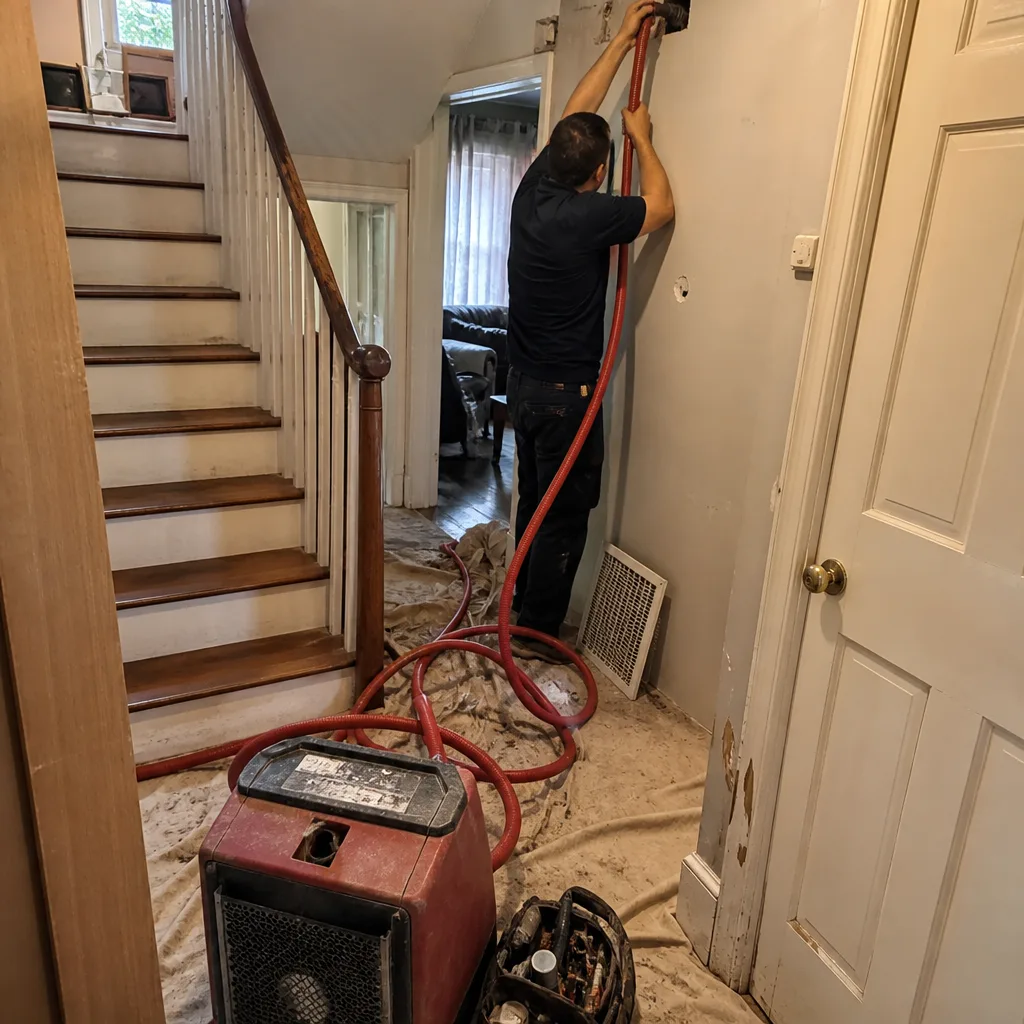
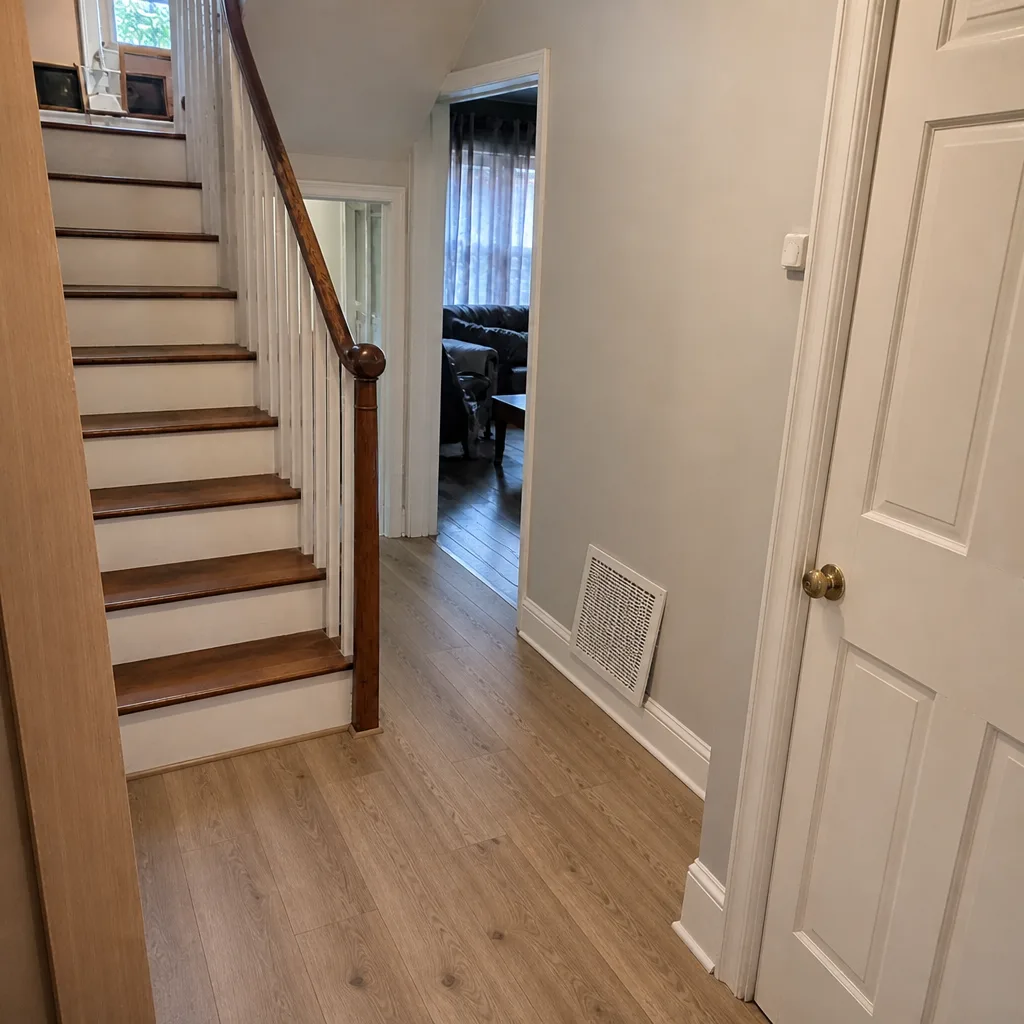
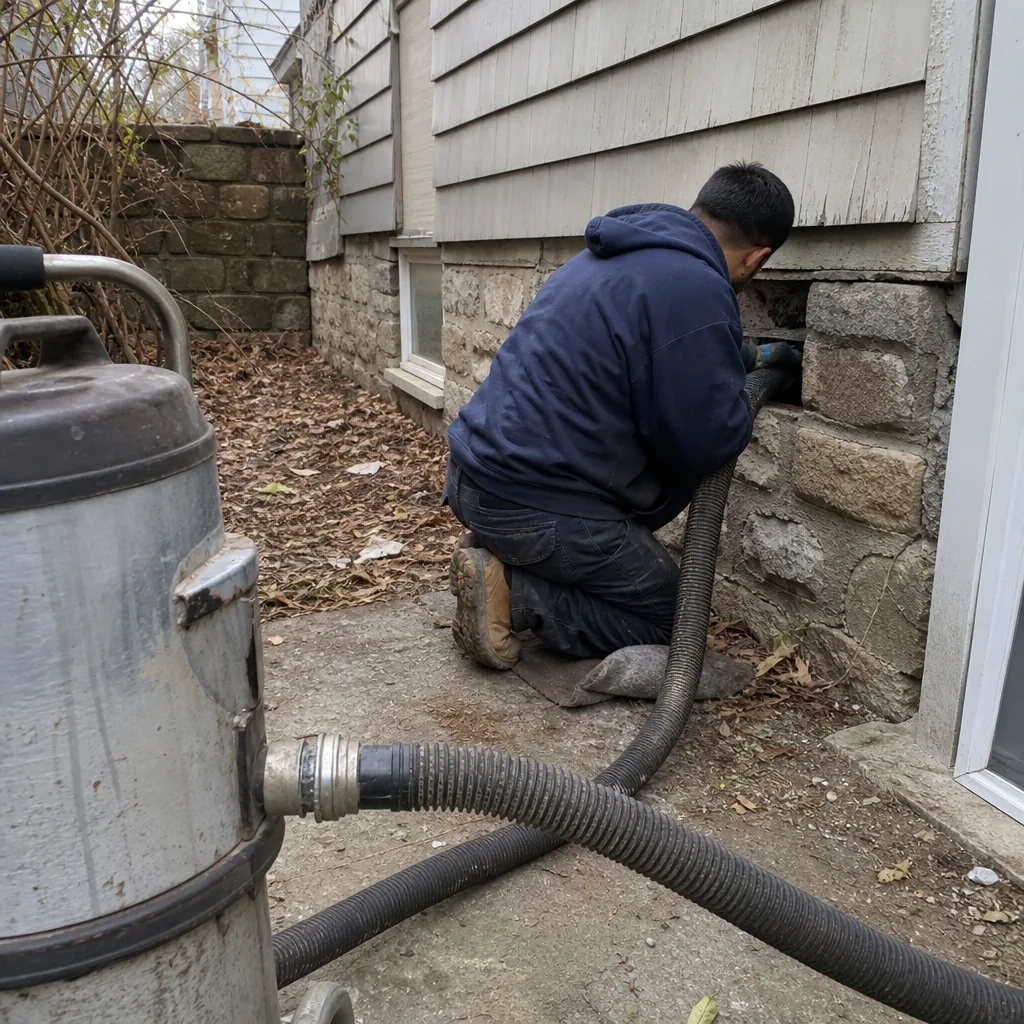
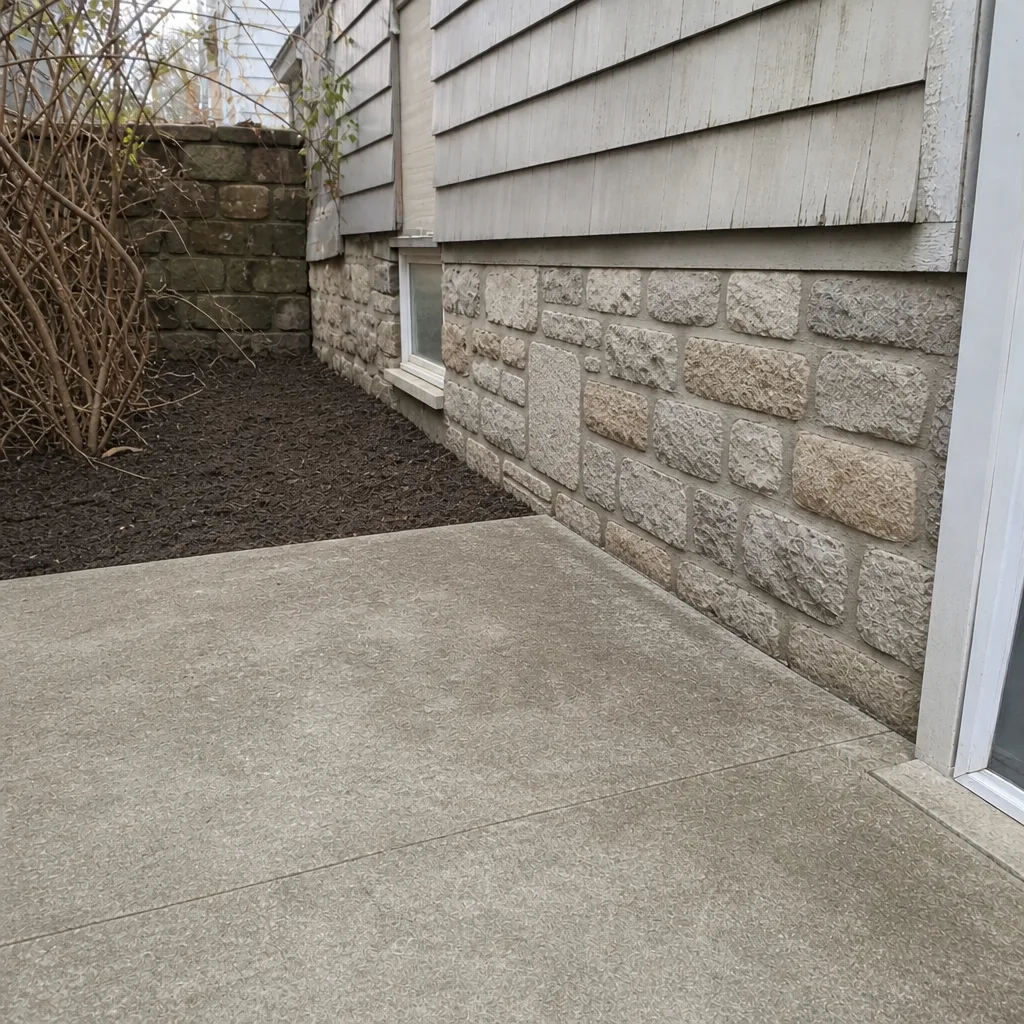
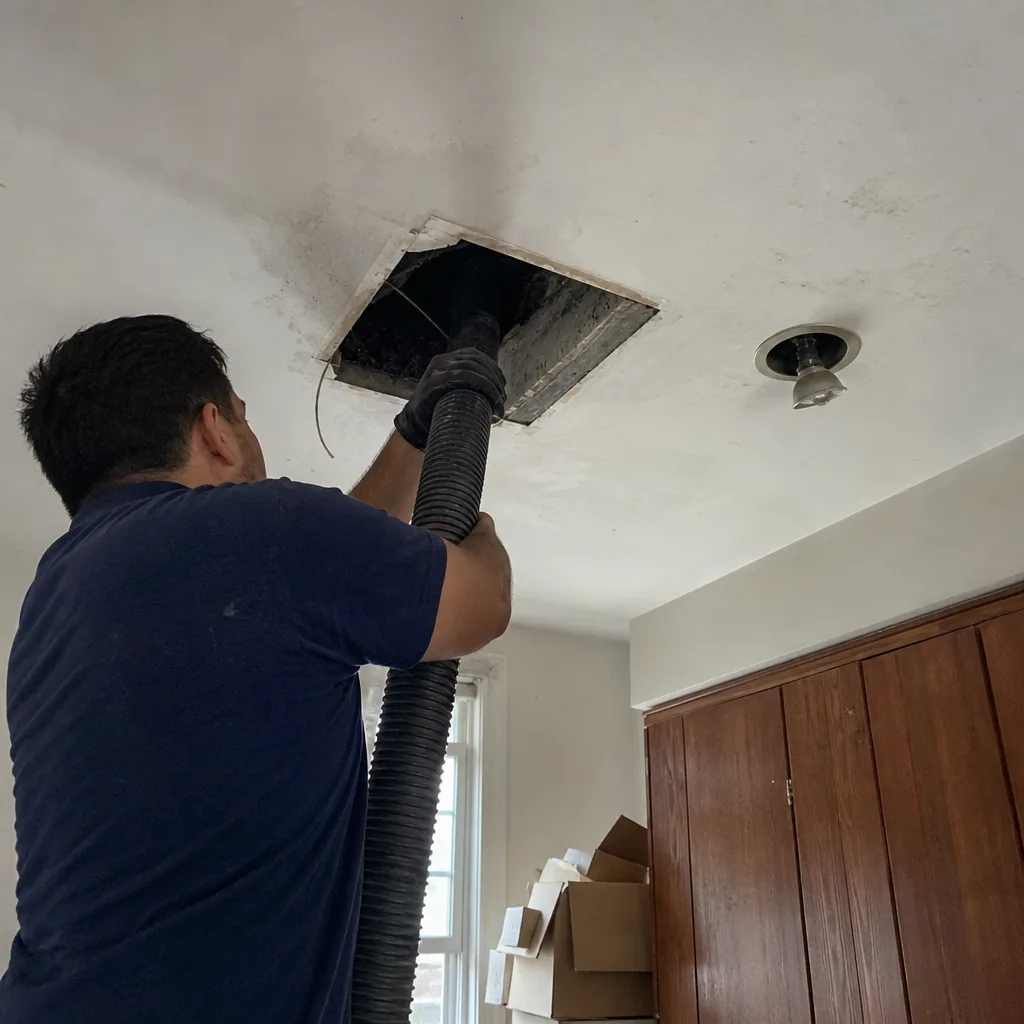
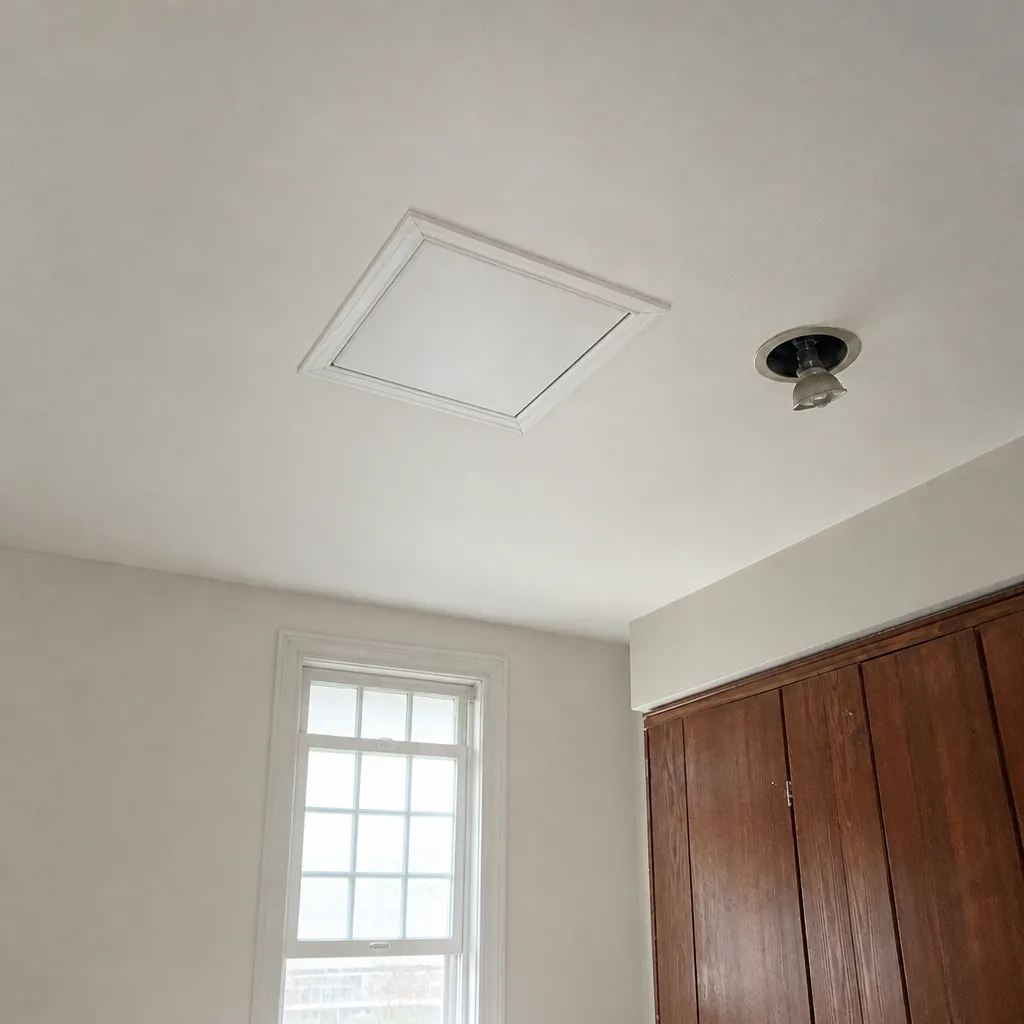
Whole-system duct and dryer vent check with before-and-after photos - you see exactly what came out of your vents
That "$99 whole-house special" is a bait ad - the real number appears once they are in your hallway, or the "clean" is a shop-vac at the register. We photograph the inside of your ducts before and after instead.
Air Duct Cleaning Warning Signs: A Forest Hills Homeowner’s Reference Guide
Dust on your registers is not the most important warning sign. It’s the most obvious one, and by the time you can see it, the system interior has been accumulating debris for years. The earlier indicators are subtler and more consequential, and most Forest Hills homeowners don’t know what they’re looking at. A room that never quite warms up, a faint smell when the heat kicks on, allergies that seem worse in winter, a gas bill that climbed without any change in habits. Each of these points to something specific inside the duct system. This guide connects the symptom to the mechanical cause, tells you which problems a cleaning solves and which ones need repair first, and gives you a decision tree for what to do next.
Quick Answer
The core warning signs of a duct problem in Forest Hills are uneven room temperatures, a musty odor right after the HVAC starts, allergy symptoms that track with heating and cooling season, and rising utility bills with no change in usage. Visible dust, debris blowing from vents, and rattling or whistling ducts are later-stage indicators. Some of these call for cleaning; others call for duct repair and sealing before cleaning will hold.
Styles & brands we work with
- Whole-home duct cleaning
- Dryer vent cleaning
- Camera inspection
- Sanitizing & deodorizing
Table of Contents
- What Your Symptoms Are Actually Telling You
- Uneven Room Temperatures and the Supply Runs Behind Them
- The Musty Smell After the HVAC Starts
- Allergy Patterns That Track With Your Heating and Cooling
- Rising Bills Without a Usage Change
- Warning Signs Specific to Forest Hills Housing Stock
- When the Fix Is Cleaning and When It’s Repair
- Post-Renovation Contamination: The Event Most Homeowners Miss
- Your Decision Tree: Symptom to Next Step
What Your Symptoms Are Actually Telling You
Homeowners are usually right that something is wrong. They’re usually wrong about where it’s coming from. A cold bedroom gets blamed on the thermostat, an old furnace, or a window that doesn’t seal. The musty smell gets blamed on the basement. The allergy flare-ups get blamed on pollen season. In our experience, a surprising share of these complaints trace back to the duct system itself, which is the one part of the HVAC setup nobody looks at because it’s hidden inside the walls and floors.
The duct system does three jobs at once. It moves conditioned air, it returns stale air, and it’s supposed to keep the two separate from the spaces around it. When any of those jobs fails, the result shows up somewhere else in the house as a symptom. That’s what makes duct problems so easy to misattribute.
Here’s how the most common complaints map to their mechanical causes:
- One room never heats or cools like the others – a blocked, crushed, or disconnected supply run, or a damper stuck in the wrong position.
- A musty or “dirty sock” smell when the system starts – biological growth on the evaporator coil or inside the return plenum, where moisture collects.
- Allergy symptoms that get worse during heating and cooling season – particle re-entrainment, meaning settled dust and debris get lifted back into the airstream and into the rooms.
- Utility bills climbing with no change in how you run the house – duct leakage pulling in unconditioned attic or crawlspace air, or pushing conditioned air into spaces you don’t live in.
- Visible dust on registers or streaks around vent covers – a system that’s been loading up for years and has reached the point where the debris is being pushed out.
Notice that only the last one is what most people picture when they think about dirty ducts. The first four are the ones that actually cost you comfort and money, and they’re the ones we get called about most often in Forest Hills.
Uneven Room Temperatures and the Supply Runs Behind Them
A room that stays several degrees off from the rest of the house is the single most common symptom we hear about, and it’s almost never the thermostat. Supply runs are the branches of ductwork that carry conditioned air from the main trunk to each room. In a house with a finished basement, a converted attic, or a rear addition, those runs have usually been modified, extended, or rerouted at some point, and each modification is a chance for a run to be pinched, disconnected, or undersized.
What to check before you call anyone:
- Confirm the room’s register actually has air moving through it. A tissue held near the vent will tell you in seconds. No movement at all suggests a disconnected run or a closed damper.
- Compare the register in the cold room to one in a room that works. Weak but present airflow points to a crushed flex run, a leak upstream, or a run that’s too long for the blower to push air through.
- Check whether the room was ever an addition, a garage conversion, or a finished basement. Modified spaces are where disconnected and improvised runs show up most often.
- Look at the return side. A room with a supply but no return path can’t circulate properly, and it will always run hot or cold relative to the rest of the house.
Disconnected and crushed runs are a repair problem, not a cleaning problem. This is why our air duct cleaning work in Forest Hills starts with an inspection of the runs themselves. Cleaning a system with a disconnected supply just means you clean the duct and then blow the air into a wall cavity. The temperature problem doesn’t move.
The Musty Smell After the HVAC Starts
A smell that arrives a few seconds after the system starts, and only then, is a specific indicator. It means the air is passing over or through something that’s holding moisture and growing something. The two usual locations are the evaporator coil and the return plenum. The coil is wet by design during cooling season, and its fins collect dust that turns into a food source for microbial growth. The return plenum is the duct section that pulls air back to the equipment; it runs through unconditioned space more often than the supply side, which makes it prone to condensation.
The distinction matters for treatment. A cleaning removes the debris that feeds the growth. Sanitizing treats the surfaces afterward so the growth doesn’t simply return the next time the coil gets wet. This is why our sanitizing step uses Guardsman-level care standards: we treat the duct interior as a surface that needs protection after cleaning, not just removal of what’s visibly there.
If the smell follows a pattern, take note of it. A smell that only appears in cooling season points toward the coil. A smell that shows up year-round, especially in the basement or the rooms closest to the air handler, points toward the return side. Either pattern is worth an inspection. A smell that appears after rain, or in a home with a crawlspace, may point to a moisture source outside the duct system entirely, and that has to be found before any cleaning will hold.
Cleaning alone doesn’t fix active biological growth. If the coil is fouled or the plenum is holding moisture, the source has to be addressed. That’s why our HVAC cleaning scope includes the equipment itself, not just the ducts downstream of it.
Allergy Patterns That Track With Your Heating and Cooling
Seasonal allergies that get worse indoors, specifically when the system is running, are a sign of particle re-entrainment. Settled dust, pollen that came in on clothing, pet dander, and insulation fibers collect in the low-velocity sections of the duct system during the months when air isn’t moving much. When heating or cooling season starts, the airstream lifts that material back into suspension and distributes it through every room with a supply register. The dust didn’t appear; it was always there and now it’s moving.
The pattern to look for isn’t “I have allergies.” It’s the correlation. Symptoms that get measurably worse several weeks into heating season. Symptoms that improve when the family is away and the system is off. Symptoms that concentrate in bedrooms, which are often the last rooms in a long run and the ones where the system has been settling debris for years.
What a proper cleaning does here is source removal: getting the material out of the system so it can’t be lifted back into the airstream. What it doesn’t do is fix a filtration problem. If the return filter is bypassing at the edges, or the filter’s MERV rating is too low for the household’s needs, the system will just refill. This is where the air quality brands we work with come in. Honeywell and Aprilaire filtration components exist precisely to keep a cleaned system clean, and we’ll recommend a filter upgrade when the inspection shows the current setup isn’t holding.
If anyone in the household has a diagnosed respiratory condition, treat the inspection as a priority rather than a someday item. We’re not medical professionals and we don’t diagnose, but we can tell you what’s in the system and what the filtration setup is doing about it.
Rising Bills Without a Usage Change
A gas or electric bill that climbs while your habits hold steady is a warning sign most homeowners catch late, usually after two or three billing cycles. The duct-system explanation is leakage. Ducts run through attics, crawlspaces, wall cavities, and basement joist bays, and the joints and seams in those runs are rarely sealed to modern standards. In a leaky system, the equipment pulls in unconditioned air from those spaces and has to condition it, or it pushes conditioned air out of the living space entirely.
Two things follow from leakage:
- Energy loss. You’re paying to condition air that never reaches a room you use. The equipment runs longer to make up the difference.
- Recontamination. Air pulled in through leaks in a crawlspace or attic brings insulation fibers, dust, and whatever else is sitting in that space back into the duct system. Even a freshly cleaned system gets refilled if the leaks stay open.
This is why we offer duct repair and sealing alongside cleaning. Clean ducts are only part of the solution; sealed, intact ducts are the other. A bill that’s climbed sharply is also worth a call to your utility before you spend anything on the HVAC system, but if they’ve ruled out rate changes and meter issues, an inspection of the duct system is the next step. A system that’s leaking at the joints and seams is a straightforward problem to find and a fixable one.
Warning Signs Specific to Forest Hills Housing Stock
Forest Hills has a mix of housing that produces its own set of duct issues. The neighborhood’s 1970s and 1980s ranch and split-level construction used flex duct extensively, and flex has a finite service life. The inner liner of older flex duct degrades, tears, and can separate from the outer jacket. When that happens, the duct collapses in places, sags between supports, and can develop tears at the connections that let attic or crawlspace air straight into the supply airstream.
What to watch for in an older flex system:
- Visible sagging in any flex run you can see in the attic or basement. A sag is where debris settles and where the liner is most likely to have failed.
- Tears at the collar where the flex connects to a metal boot or the main trunk. These are common and easy to find if you can see the connection.
- Rattling or whistling near a specific vent. A whistling register sounds like a kink or a restriction; rattling can mean a torn liner flapping in the airstream.
- Visible debris streaks on the outer jacket, which usually means the inner liner has been breached.
Pre-1980 construction in Forest Hills adds a second consideration. Some duct systems of that era were wrapped with asbestos-containing insulation. If your home was built before 1980 and you see a gray, fibrous, paper-like wrap on the ducts, do not disturb it, do not try to clean the surface yourself, and don’t let any contractor touch it without confirming the material first. Asbestos is handled by a separate, licensed abatement process, and any responsible duct provider will stop and tell you to get it tested rather than proceeding. We flag this during inspection and will not clean a system with suspected asbestos wrap until it’s been addressed.
Newer construction on the neighborhood’s edges tends to have a different issue: sealed-up houses with tight building envelopes where the return path is undersized. That shows up as rooms that stay hot in summer even with the system running constantly, and it’s a design fix rather than a cleaning fix.
When the Fix Is Cleaning and When It’s Repair
Not every warning sign calls for cleaning, and cleaning before you fix the underlying problem produces temporary results. The rule we work by is simple: clean the system once the pathway is intact, and fix the pathway first when it isn’t.
Interventions in order of what they address:
- Source removal (cleaning). Appropriate when the duct system is structurally sound and the problem is accumulation. The airstream is being distributed through a closed path; the path just needs to be emptied.
- Repair and sealing (before cleaning, in most cases). Required when there are active leaks, disconnected runs, crushed flex, or torn liners. Cleaning a leaking system pushes debris through the leak into the surrounding cavity and recontaminates the ducts the moment the system starts again. We use professional-grade extraction equipment from Rotobrush and Nikro precisely because it captures what it lifts, but no equipment compensates for an open leak.
- Replacement (when repair isn’t viable). Some older flex runs are beyond repair; a collapsed duct with a failed liner at multiple points is a replacement item, not a repair item. This is a call for an HVAC contractor, and we’ll tell you when the inspection points that way.
- Sanitizing. Follows cleaning when the inspection shows biological growth or a musty odor history. It treats surfaces so the cleaned system stays clean longer.
- Filtration and purification upgrade. Follows cleaning when the household needs more protection than the existing filter can provide. We integrate Honeywell, Aprilaire, and Abatement Technologies products into the service scope, and we recommend them when the inspection supports it rather than as a default add-on.
The mistake homeowners make is skipping step two because step one is what they called about. A system with an active leak that gets cleaned is a system that will be dirty again within a season, and the bill will still be high.
Post-Renovation Contamination: The Event Most Homeowners Miss
A renovation is the single most significant contamination event a duct system will experience outside of a system failure. Drywall dust is fine enough to pass through most temporary filters and fine enough to stay suspended. Insulation fibers from disturbed walls and ceilings are the same. Cutting, sanding, and demolition all generate material that gets pulled into the return system within hours, and if the return grilles weren’t sealed off before the work began, that material is now sitting in the duct runs and the air handler.
Post-renovation warning signs:
- Dust settling on surfaces faster than usual for weeks after the work ends. The system is redistributing it.
- A visible dusty film on the coil or the blower wheel. The equipment has been pulling construction material and needs cleaning, not just the ducts.
- Airflow that feels weaker than before the remodel. Fine dust and fibers can coat the coil and reduce heat transfer.
- New musty smell starting within a few weeks of the work. Renovation dust plus a wet coil is a growth setup.
Surface cleaning is not sufficient for this kind of contamination. Source removal with professional equipment is the only thing that gets construction debris out of the system, and the HVAC unit itself has to be cleaned at the same time; otherwise the debris on the coil and blower re-enters the ducts on the first cycle. If you’re planning a renovation, the right move is to seal the return grilles before demolition begins. If the work is already done, schedule a cleaning and an HVAC cleaning together rather than one without the other.
Dryer vents are worth checking during the same visit, especially in homes where the laundry room was part of the renovation. Lint accumulation in an old vent line is a fire risk, and our dryer vent cleaning covers the full run from the appliance to the exterior termination.
Your Decision Tree: Symptom to Next Step
Work down this list until you find the symptom that matches. Each row tells you the likely cause and whether the next step is something you can check yourself, an inspection call, or a cleaning appointment.
- Dust on registers, streaks around vent covers, or debris blowing from a supply. Cause: accumulated debris the system is now pushing out. Next step: schedule cleaning. Self-inspection won’t tell you anything the register isn’t already telling you.
- One room consistently hot or cold. Cause: blocked, crushed, or disconnected supply run. Next step: self-check the airflow at that register, then call for an inspection. This is likely a repair before it’s a cleaning.
- Musty smell right after the system starts. Cause: biological growth on the coil or in the return plenum. Next step: call for inspection. Cleaning plus sanitizing is the usual recommendation.
- Allergies worse during heating and cooling season. Cause: particle re-entrainment from settled debris. Next step: call for inspection. Source removal plus a filter review.
- Bills rising with no usage change. Cause: duct leakage. Next step: call your utility to rule out rate changes, then call for an inspection of the duct system for leaks and sealing.
- Whistling or rattling at a specific vent. Cause: restricted or torn flex duct. Next step: call for inspection. Repair or replacement may be needed.
- Recent renovation, no cleaning since. Cause: construction debris in ducts and on the HVAC equipment. Next step: schedule cleaning and HVAC cleaning together.
- Home built before 1980 with gray fibrous wrap on ducts. Cause: possible asbestos-containing material. Next step: stop, do not disturb, and arrange testing before any contractor proceeds.
Common Mistakes to Avoid
- Judging duct cleanliness by the register covers. A clean register tells you nothing about the trunk line ten feet up the run. The inspection has to look at the pathway, not the visible end of it. This is the most common mistake we see in Forest Hills homes.
- Cleaning before fixing leaks. A cleaned system with an open leak recontaminates within a season. Repair and sealing come first when the inspection finds them, and skipping that step wastes the cleaning.
- Treating a cold room as a thermostat problem. Thermostats rarely fail. Supply runs get crushed and disconnected far more often than thermostats go bad, and a homeowner who replaces the thermostat first has usually spent money on the wrong fix.
- Skipping the HVAC unit when the ducts are cleaned. The coil and blower hold as much material as the ducts, and cleaning one without the other recontaminates the ducts on the first cycle.
- Assuming pre-1980 duct wrap is just insulation. The gray fibrous wrap on older Forest Hills ductwork may contain asbestos. Disturbing it is a health hazard, and cleaning it without testing is the wrong call.
- Renovating without sealing the return grilles. Demolition dust gets pulled into the system within hours. A few minutes of plastic and tape before work starts saves a full cleaning afterward.
- Replacing filters as a substitute for cleaning. A new filter is a good idea and it is not a cleaning. It catches what reaches it and does nothing about what’s already settled in the runs.
See the difference
 Before
 After
 Before
 After
 Before
 After
When to Call a Professional
Call when a symptom persists across two full heating or cooling seasons, when the musty smell has a clear pattern, when a specific room never matches the rest of the house, or when the bills have moved and usage hasn’t. Call before you renovate rather than after. Call before you disturb any gray fibrous wrap on ducts in a pre-1980 Forest Hills home. Call when the dryer vent hasn’t been checked in a few years, especially if the laundry room was part of a remodel. And call if you just moved into a house and don’t know the service history of the duct system, because a full inspection is the only way to find out.
Forest Hills Air Duct Cleaning offers free estimates in Forest Hills. Call (844) 274-2194. We answer 24/7. Fast dispatch from 7am to 7pm, Sunday through Friday. Our technicians have up to 13 years of experience, and we use professional-grade equipment from Rotobrush and Nikro on every job. One flat price per system, agreed before work starts, and before-and-after photos of your own ducts so you can see what we saw. The local pro is licensed and insured as the state requires.
Frequently Asked Questions
The most reliable indicators are uneven room temperatures, a musty odor right after the HVAC starts, allergy symptoms that track with heating and cooling season, and rising utility bills with no change in usage. Visible dust on registers and debris blowing from vents are later-stage signs. If any of the first four apply to your home, call (844) 274-2194 for a free inspection. Estimates are free.
A musty smell that appears a few seconds after the system starts usually points to biological growth on the evaporator coil or in the return plenum, which calls for cleaning plus sanitizing, not just cleaning. If the inspection also finds moisture intrusion or a leak feeding the growth, the leak has to be sealed first or the smell returns. Call (844) 274-2194 to get it inspected.
Duct leakage raises bills more than debris does. Leaks at joints and seams pull unconditioned attic or crawlspace air into the system, or push conditioned air out of the living space, so the equipment runs longer to compensate. Debris on the coil reduces heat transfer, which adds to the effect. If your bill has climbed and your usage hasn’t, call (844) 274-2194 to have the duct system checked for leaks.
Not without an inspection first. Some pre-1980 systems in Forest Hills were wrapped with asbestos-containing insulation, and cleaning it without testing is a health hazard. Any responsible provider stops and asks for testing when the wrap is present. Once the material has been addressed, cleaning proceeds normally. Call (844) 274-2194 to schedule the inspection.
Yes, and the HVAC unit should be cleaned at the same time. Drywall dust, insulation fibers, and construction debris are among the most significant contamination events a duct system experiences, and surface cleaning isn’t enough for that kind of material. Source removal with professional equipment is the right approach. Call (844) 274-2194 to book cleaning and HVAC cleaning together. Estimates are free.
There’s no universal schedule; it depends on the system, the filtration, whether there have been renovations or pets, and what the inspection finds. A well-sealed system with good filtration can go much longer than a leaky one in an older Forest Hills home. The honest answer is to inspect before you clean and let the findings set the interval. Call (844) 274-2194 for a free estimate.
The Bottom Line
The warning signs worth acting on are the quiet ones. Uneven temperatures point to supply runs that need repair. A musty smell after startup points to biological growth that needs cleaning and sanitizing. Allergy patterns tied to the heating and cooling season point to particle re-entrainment. Rising bills point to leakage that needs sealing before cleaning will hold. In Forest Hills, add older flex duct wear in 1970s and 1980s homes and possible asbestos wrap in pre-1980 construction to the list. Match the symptom to the cause, fix the pathway before you clean it, and address a renovation contamination event with source removal rather than surface cleaning. That sequence is what separates a lasting result from a repeat visit.
Clean ducts are only part of the solution; sealed, intact ducts are the other. From the HVAC unit to the vent cover, we service the entire air pathway. Dryer vents, air ducts, HVAC systems: one call covers all of it.
Call (844) 274-2194 for a free estimate. We answer 24/7. Fast dispatch from 7am to 7pm, Sunday through Friday. Learn more about Forest Hills Air Duct Cleaning and the full scope of what we do.
Written by the team at Forest Hills Air Duct Cleaning.