
Last updated November 22, 2026
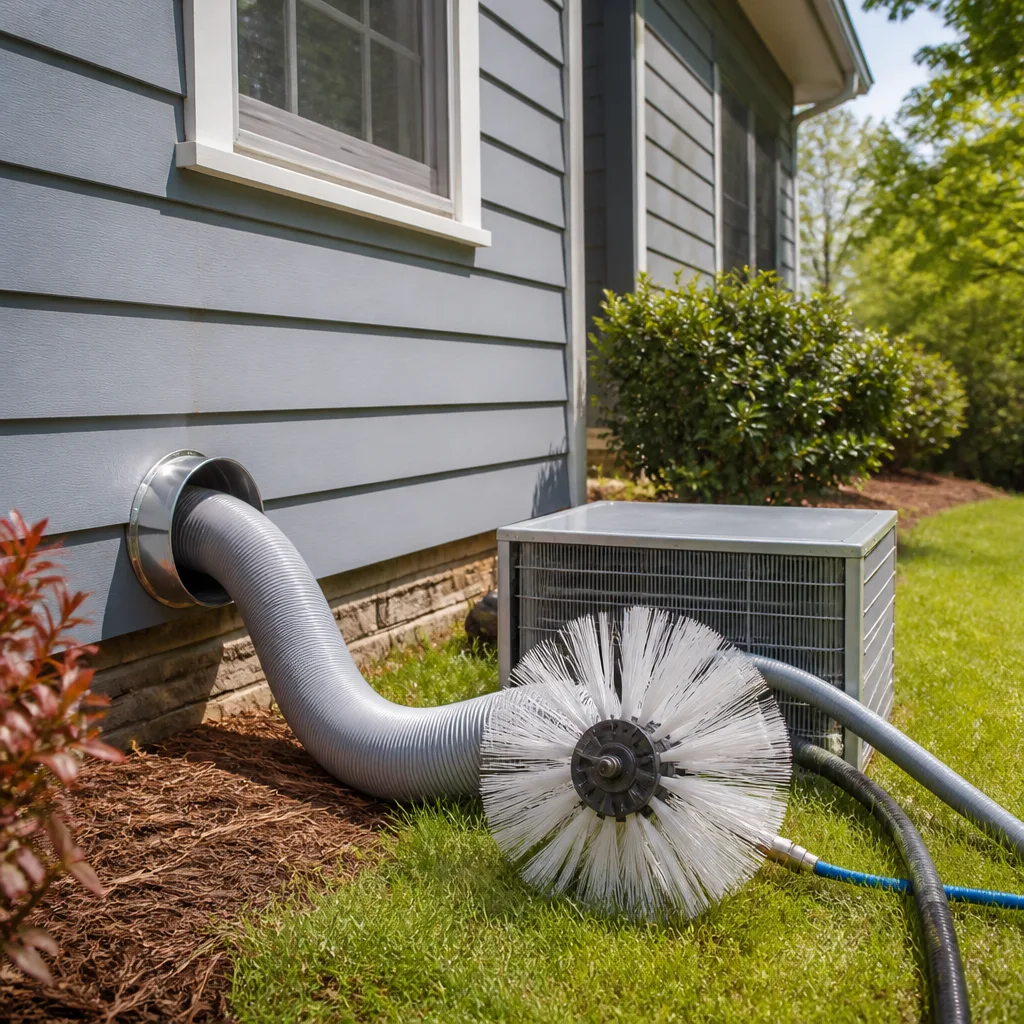 Whole-home duct cleaning
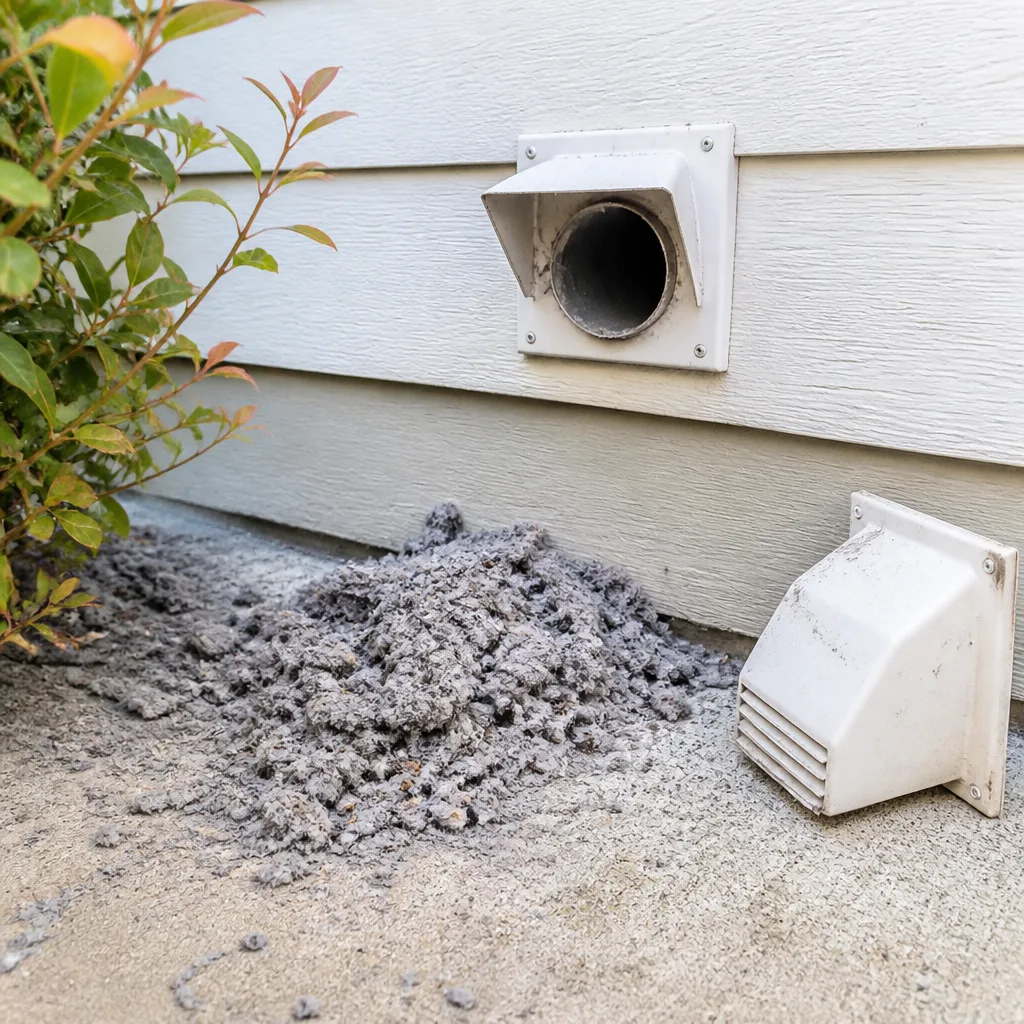 Dryer vent cleaning
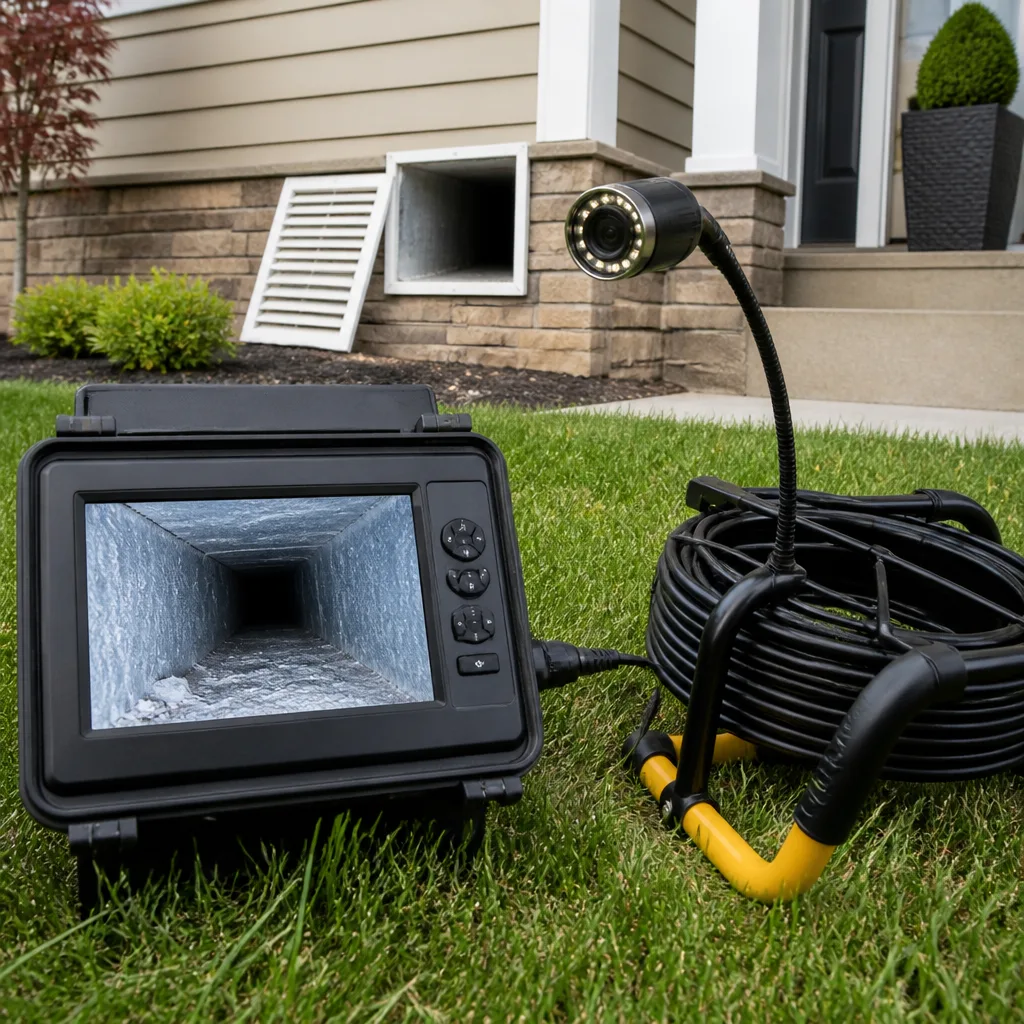 Camera inspection
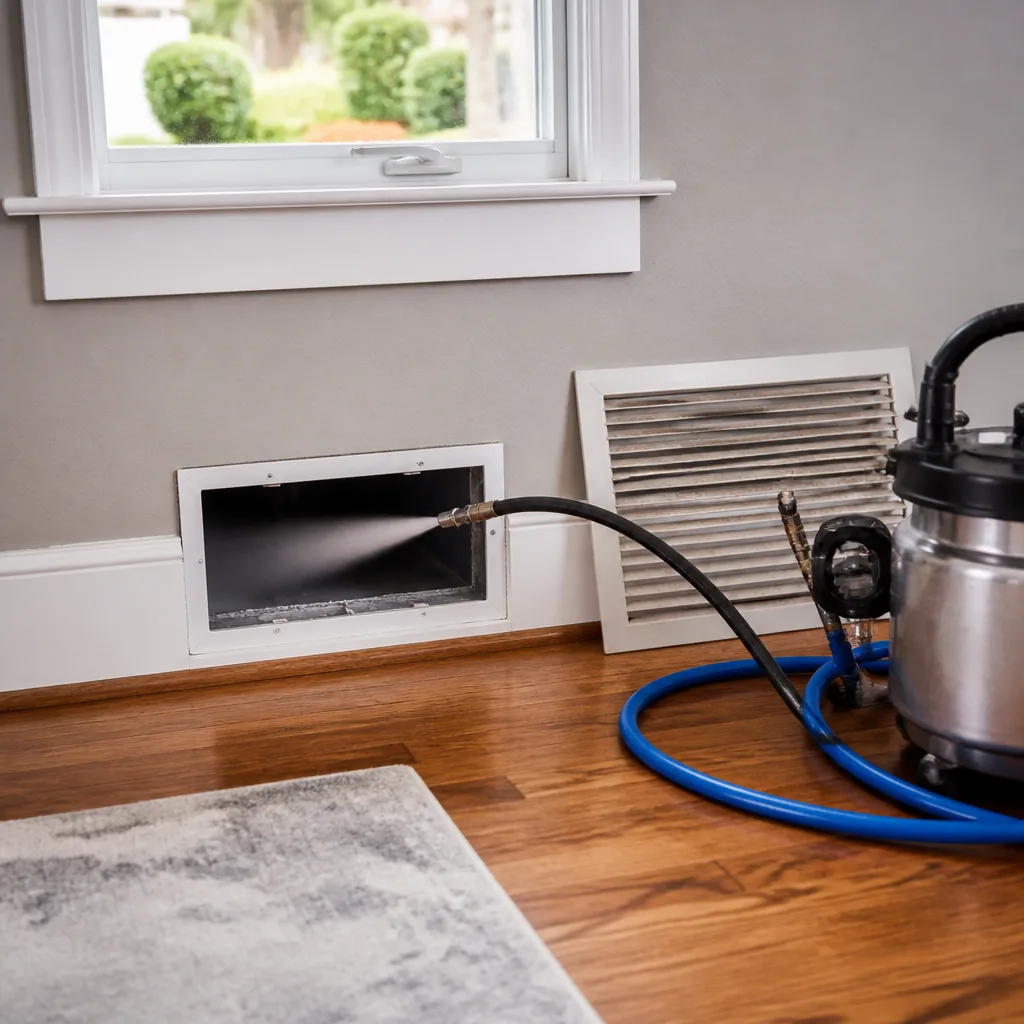 Sanitizing & deodorizing
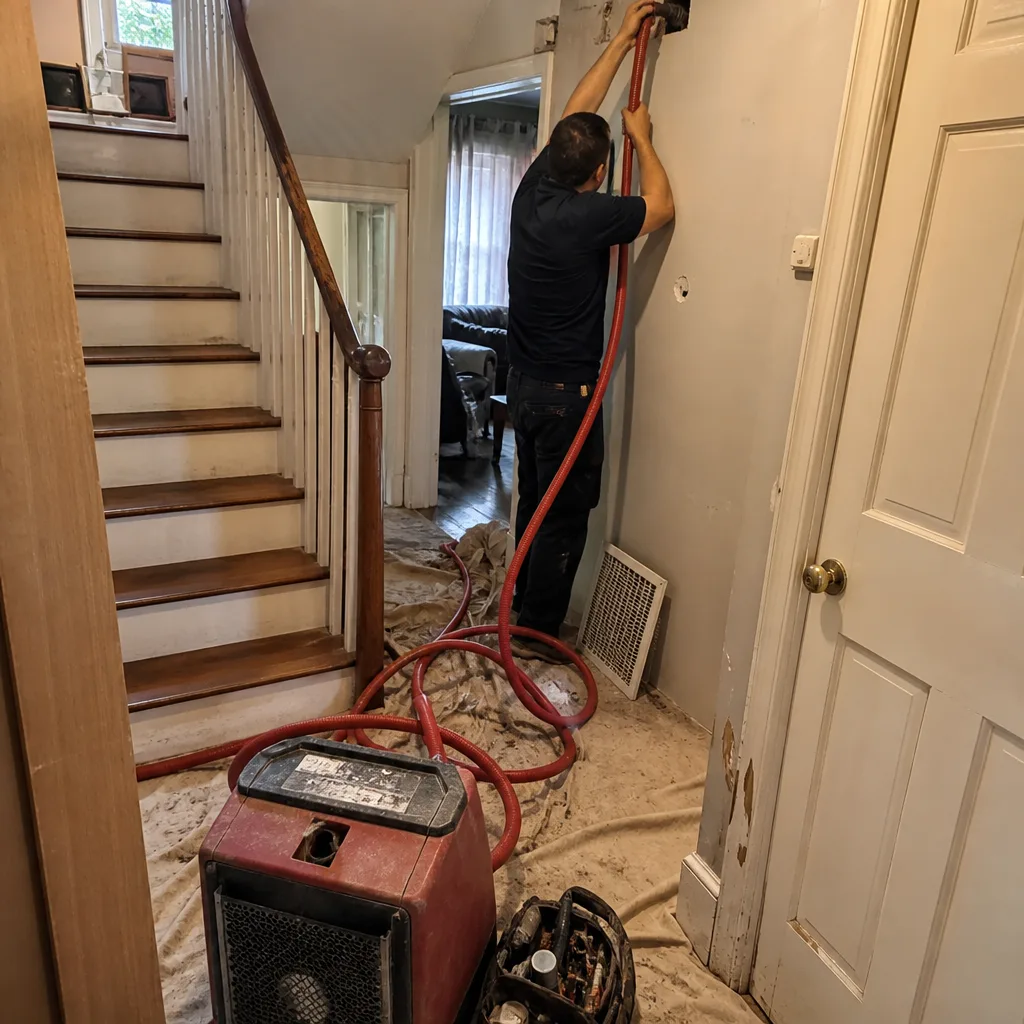
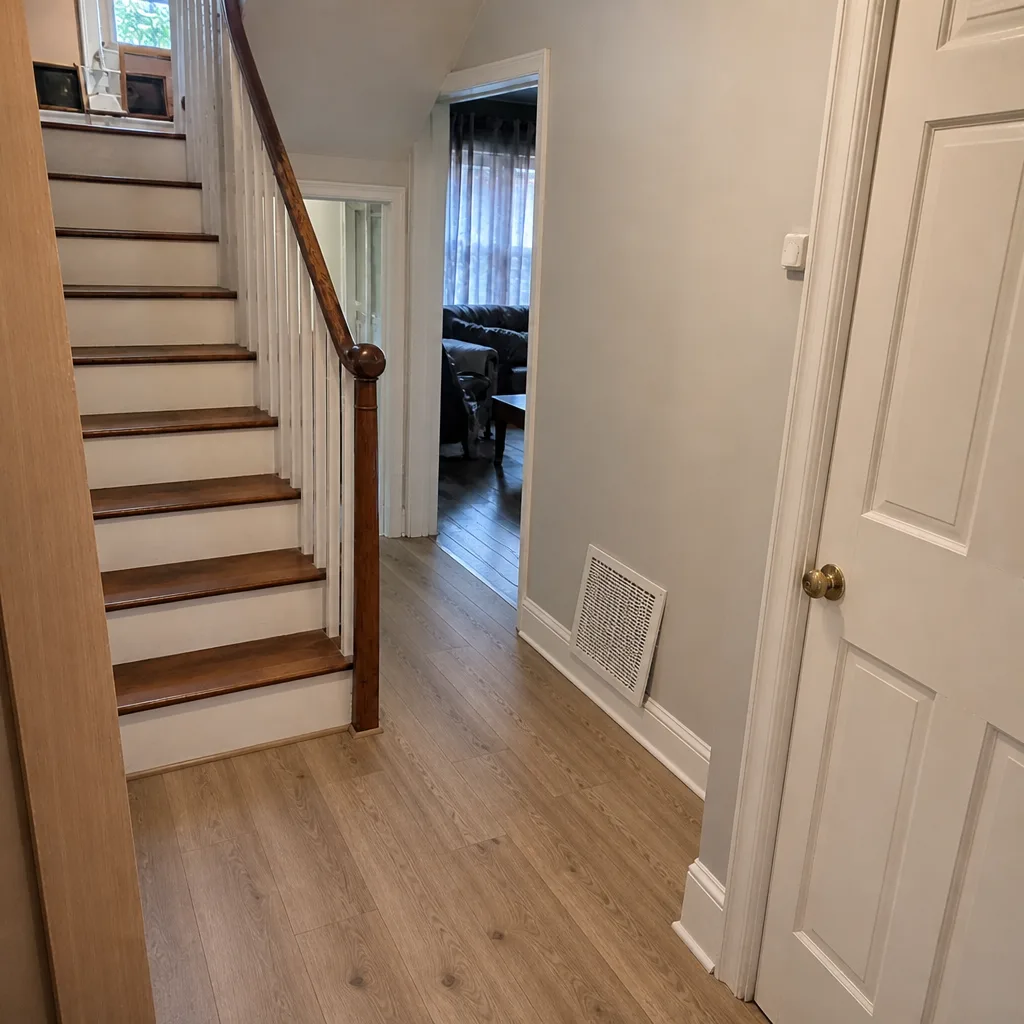
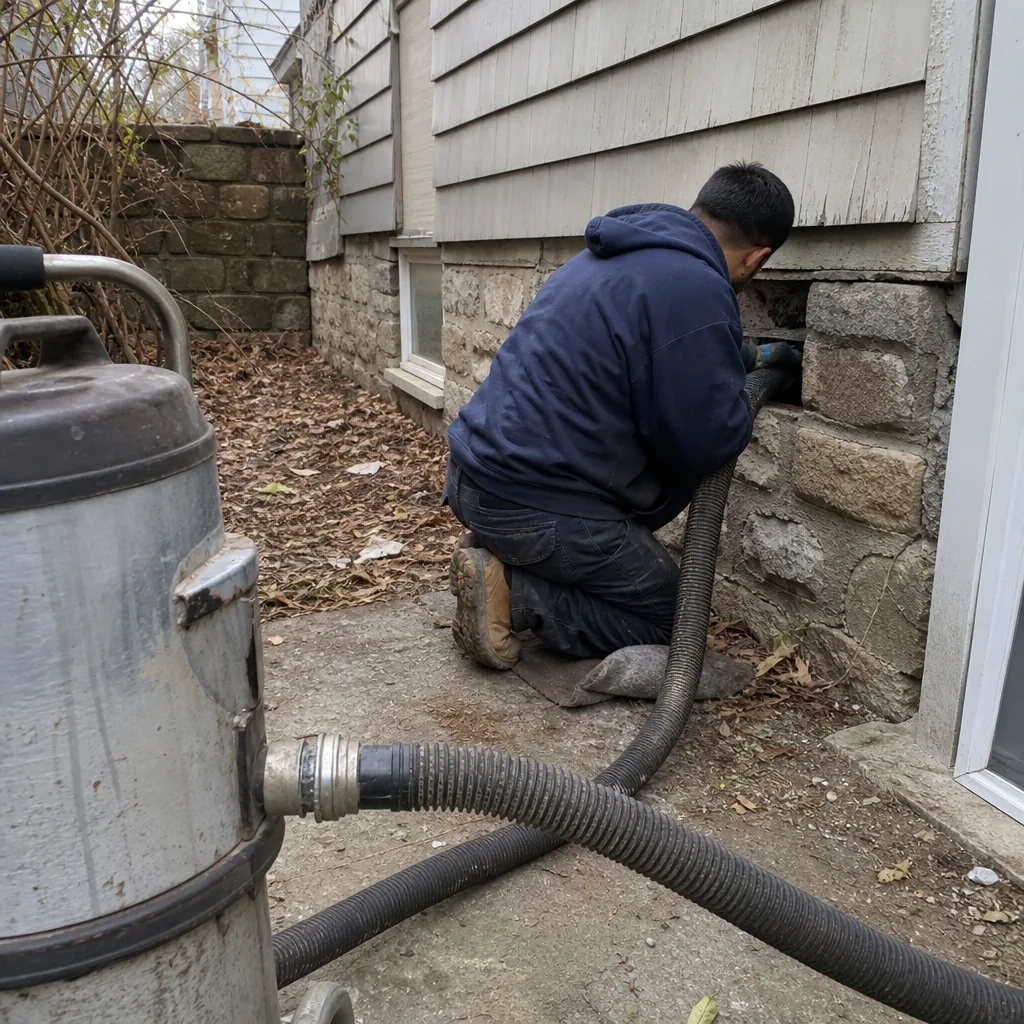
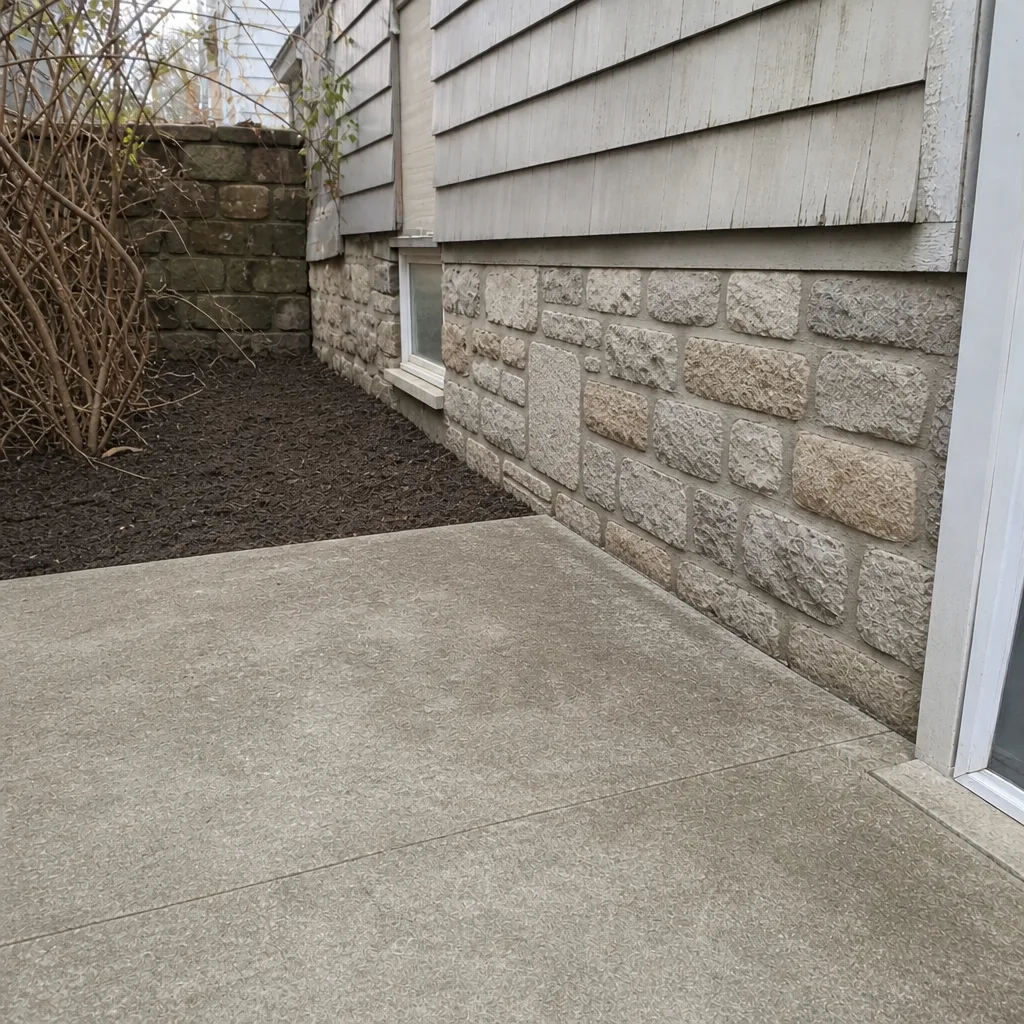
Whole-system duct and dryer vent check with before-and-after photos - you see exactly what came out of your vents
That "$99 whole-house special" is a bait ad - the real number appears once they are in your hallway, or the "clean" is a shop-vac at the register. We photograph the inside of your ducts before and after instead.
Air Duct Cleaning Maintenance Checklist for Forest Hills Homeowners
Changing your HVAC filter on schedule is not duct maintenance. It’s the minimum condition for duct maintenance to be worth doing at all. The filter catches what passes through the return grille, but it never touches the inside surfaces of the return plenum, the trunk line, or the branch runs that feed each room. In Forest Hills, where many homes run forced-air systems through finished basements and tight closet chases, that unprotected stretch is exactly where debris settles and stays. What follows is a monitoring protocol, not a cleaning schedule: three tiers of observation that tell you when your system is degrading, plus what to document so any technician can pick up where the last one left off.
Quick Answer
A practical air duct maintenance checklist for Forest Hills homeowners has three tiers: monthly observations you can do yourself (filter condition, airflow at each register, visible dust), annual professional inspections (duct integrity, joint sealing, insulation), and trigger-based cleanings after renovation, water intrusion, or a change in who lives in the home. Cleaning on a fixed calendar ignores how the system is actually behaving. Monitoring on intervals catches problems while they’re still cheap to fix.
Styles & brands we work with
- Whole-home duct cleaning
- Dryer vent cleaning
- Camera inspection
- Sanitizing & deodorizing
Table of Contents
- Tier One: Monthly Observations You Can Do Yourself
- The No-Tools Airflow Check That Finds Blocked Runs
- Tier Two: The Annual Professional Inspection
- How Forest Hills Conditions Change Your Checklist
- Tier Three: Trigger-Based Cleaning
- What to Document Between Service Visits
- Forced-Air vs. Converted Steam Systems in Forest Hills Co-ops
- Common Mistakes to Avoid
Tier One: Monthly Observations You Can Do Yourself
Ten minutes once a month, no tools, no ladder work beyond a chair and a flashlight. The point of this tier isn’t to fix anything. It’s to notice change early enough that the fix stays small. Write down what you see, or photograph it, because a slow decline is almost invisible without a baseline to compare against.
Work through these in order, room by room:
- Check the filter. Hold it up to a light. If you can’t see light through it, it’s done, regardless of what the packaging said about lifespan. Forest Hills homes on the north side of the neighborhood, closer to the heavier pollen corridors along the Grand Central Parkway, tend to load filters faster in spring than the packaging predicts.
- Feel the airflow at each supply register. Hold your hand a few inches away. You’re not measuring cubic feet per minute, you’re comparing one register to another. A supply that used to push hard and now barely moves air is telling you something.
- Look at the register face and the first inch of duct behind it. A light film of dust on the grille is normal. Grey or black streaking, or dust visibly puffing out when the system starts, is not.
- Listen at the return. A whistle or a hard whoosh at one return while others sound normal points to a restriction or a damper that’s partly closed.
- Smell the air when the system first kicks on. Musty, sweet, or burning odors are all signals, and each one points in a different direction. Note which rooms you notice it in.
- Photograph the register faces. Same angle, same lighting, once a month. Dust patterns on a grille tell a story over six months that a single look never will.
None of these observations require you to open anything, and none of them ask you to reach into the duct. Keep it at the grille. That’s where the visible evidence lives.
The No-Tools Airflow Check That Finds Blocked Runs
Most homeowners notice a weak register the moment it’s severe enough to feel. The valuable window is the one before that, when a run is partially blocked by a collapsed flex section, a disconnected joint, or a damper that drifted shut. You can find that window without a manometer or a flow hood.
The method is comparison, not measurement. Here’s how it works:
- Set the thermostat to fan-only so the blower runs without heating or cooling. This removes temperature as a variable.
- Hold a strip of toilet paper or a sheet of tissue against each supply register, one at a time, and note how far it lifts and how steady it holds.
- Rank the registers from strongest to weakest. Write the ranking down.
- Repeat the ranking in a month. If the order changed, something changed in the duct path, not the weather.
A register that was third-strongest and is now last is the one worth flagging. That pattern usually means a joint opened, a run got crushed by something set on top of it in a basement, or a damper moved. In our experience, the slow partial losses are the ones that quietly raise energy bills for a season before anyone connects the bill to the duct.
One caveat: registers on the far end of a long trunk line are naturally weaker than the ones nearest the air handler. That’s a design characteristic, not a fault. You’re looking for change relative to the system’s own baseline, not for every register to feel identical.
Tier Two: The Annual Professional Inspection
Once a year, a trained technician should look at the parts of the system you can’t reasonably inspect from the floor. This is a different job from cleaning. An inspection answers the question of whether cleaning is needed and, just as often, whether a repair is. Clean ducts are only part of the solution; sealed, intact ducts are the other, and a visual inspection is how you find out which one you’re missing.
An annual inspection should cover three things, each with its own failure mode:
- Duct integrity. Flexible runs that have collapsed or torn, rigid duct that has separated at a joint, and connections that have pulled loose at the boot behind a register. Each of these leaks conditioned air into a basement or wall cavity instead of into the room.
- Joint sealing. Every seam, collar, and takeoff is a potential leak. Sealing is where a lot of energy savings actually live, and it’s the step most cleaning-only services skip because it isn’t part of a vacuum job.
- Insulation condition. Duct insulation in an unconditioned basement, or in a chase that runs along an exterior wall, takes on moisture and loses its ability to prevent condensation. Compromised insulation is a mold risk in its own right.
This is also the right time to have the HVAC unit itself cleaned as part of the same visit. A blower wheel caked with dust and a dirty evaporator coil both reduce airflow through the whole system, and neither shows up in a register check. Pairing HVAC cleaning with the annual duct inspection keeps the baseline honest, because a clean air handler makes any change in duct performance easier to read.
How Forest Hills Conditions Change Your Checklist
Generic checklists assume a generic house in a generic climate. Forest Hills isn’t generic on either count. The neighborhood’s housing stock, tree canopy, and summer humidity all shift what you should be watching and when.
Pollen season and return air. Forest Hills sits under mature street trees, and the spring pollen load is heavy enough that return plenums collect a fine, sticky film that a supply-side filter never touches. If you or anyone in the household has spring allergy flare-ups that start indoors rather than outside, that’s a return-plenum signal, not a filter problem. Watch the return grille, not the supply grilles, during April and May.
Construction dust from neighborhood renovation activity. Renovation in Forest Hills, whether it’s a house being gutted or a co-op unit two floors up, sends fine drywall and masonry dust into the air, and a running system pulls it straight into the return. If there’s active construction within a block or two, treat your monthly register check as a weekly one until the work wraps. The dust that settles in a return plenum during a renovation is the most common reason a system needs cleaning well before its normal interval.
July and August humidity. Forest Hills summers bring sustained humidity, and uninsulated ductwork in a basement or a garden-level unit is where that humidity condenses. Condensation on a cold duct surface is the condition mold needs. If you notice a musty smell that appears in July and fades in October, that’s the pattern to report, because it points at the duct surface rather than the air handler.
Co-op and prewar building dynamics. A lot of Forest Hills housing shares walls, chases, and sometimes return paths with neighboring units. Odors that appear in one unit and not another, or that come and go with a neighbor’s schedule, are worth documenting carefully, because the source may not be inside your four walls.
Tier Three: Trigger-Based Cleaning
The calendar is the least useful reason to clean ducts. Specific events are far better triggers. When one of these happens, the interval resets and cleaning moves to the top of the list, regardless of when the last one was done.
- After a renovation. Any project that generates drywall dust, sawdust, or masonry dust. Cleaning after the work, not before, and after the system has run during the work.
- After water intrusion. A leak, a flooded basement, or a burst pipe that soaked insulation near ductwork. Moisture plus organic dust is the mold equation, and it needs to be addressed as a sanitation issue, not just a debris issue.
- A new occupant with allergies or asthma. A change in who lives in the home is a legitimate trigger. A system that was fine for one household can be a persistent irritant for another.
- Moving into a resale or a newly purchased co-op. You have no idea what the previous occupant did, and the system’s history is unknown. Cleaning establishes a baseline you can monitor from.
- After pest activity. Rodent or insect activity in ductwork leaves contamination that vacuuming alone won’t resolve, and it calls for a sanitizing step afterward.
- A persistent odor that survives a filter change. If a new filter doesn’t change the smell, the source is downstream of the filter.
Trigger-based cleaning is also where dryer vents belong. A clogged dryer vent is a fire risk, not an air quality issue, and it follows its own interval. dryer vent cleaning is worth scheduling on its own trigger, separate from the duct checklist, because the failure mode is different and more serious.
What to Document Between Service Visits
The single most useful thing a homeowner can hand a technician is a record of what the system looked like before. Without a baseline, every inspection starts from zero, and the technician can only tell you what the system looks like today, not what changed. Documentation is what turns a one-time cleaning into actual maintenance.
Keep a simple folder, digital or paper, and add these as you go:
- Dated photos of each register face. Same angle, same distance. Six months of these will show dust accumulation patterns that no single inspection can.
- Filter change dates and the filter’s rating. Note the MERV rating, because a change in filter rating changes airflow and can look like a duct problem when it’s really a filter mismatch.
- Any odors you noticed, with the date and the room. Musty, burning, sweet, or chemical. Note whether the smell appears on startup, continuously, or only in humid weather.
- Your airflow ranking from the no-tools check. The order of registers from strongest to weakest, dated. This is the most portable diagnostic you have.
- Any service work done on the system. Cleaning, sealing, repairs, HVAC service. The date and what was done.
- Any renovation, water event, or pest issue in the home. Even if it seems unrelated.
When a technician arrives with this folder, the inspection shifts from a general look to a targeted one. That’s a better use of the visit for everyone.
Forced-Air vs. Converted Steam Systems in Forest Hills Co-ops
Forest Hills has a lot of housing that predates forced-air heating, and a meaningful number of co-op units still run on steam or hot-water radiators with no ductwork at all. The maintenance checklist changes completely depending on which system you have, and it’s worth knowing which one you’re looking at before you start looking for ducts that aren’t there.
Forced-air systems. These have a full duct pathway: return grilles, a return plenum, a filter, the air handler, supply trunk, and branch runs to each register. Every tier of this checklist applies. So does air duct cleaning, because there’s a duct surface to clean.
Older gravity-fed or converted steam systems. These distribute heat through pipes and radiators, not air. There are no air ducts to clean, and a checklist built around register airflow doesn’t apply. What does apply is the radiator and pipe side: air vents that hiss or spit, uneven heat between rooms, and water-level issues in the boiler. If a co-op unit has added a ductless mini-split or a separate AC system for summer, that equipment has its own filter and coil maintenance, but it doesn’t create a duct pathway.
If you’re not sure which you have, look for return grilles. A forced-air system has at least one large return grille somewhere central, usually in a hallway or near the unit. A steam or hot-water system has none. Knowing this saves you from chasing a problem in a system you don’t have.
For property managers overseeing multiple Forest Hills units, the practical move is to sort the building by system type first, then apply the right checklist to each group. A single maintenance protocol applied across mixed systems wastes effort on half the building.
Common Mistakes to Avoid
- Treating the filter as the whole job. A new filter protects the equipment downstream of it. It does nothing for the return plenum upstream, which in Forest Hills homes is often the dirtiest part of the system. Change the filter, then check the return.
- Cleaning on a fixed calendar with no observation. A system in a low-dust household with no renovation and no pets may not need cleaning on the same interval as one next door to an active gut renovation. Let the triggers drive the decision.
- Skipping the sealing step. A cleaned duct system with leaking joints recontaminates itself and loses conditioned air. Cleaning without addressing integrity is a partial job, and it’s the most common gap we see in Forest Hills co-op and house systems alike.
- Ignoring a musty smell because it’s mild. A mild musty odor in July that fades in the fall is a humidity-and-duct-surface signal. Waiting until it’s strong means waiting until the contamination has spread.
- Reaching into ductwork to “check.” Duct interiors can hide sharp edges, fasteners, and in some cases electrical components. Visual inspection at the register is safe; reaching in is not. Leave the interior to a technician.
- Assuming a converted steam co-op has ducts. If you have radiators and no return grilles, there’s no duct system to maintain. Chasing one wastes money on a service you don’t need.
- Throwing away the record. Without a baseline of photos, filter dates, and airflow rankings, every inspection starts from scratch. The folder is what makes the checklist work over years.
See the difference
 Before
 After
 Before
 After
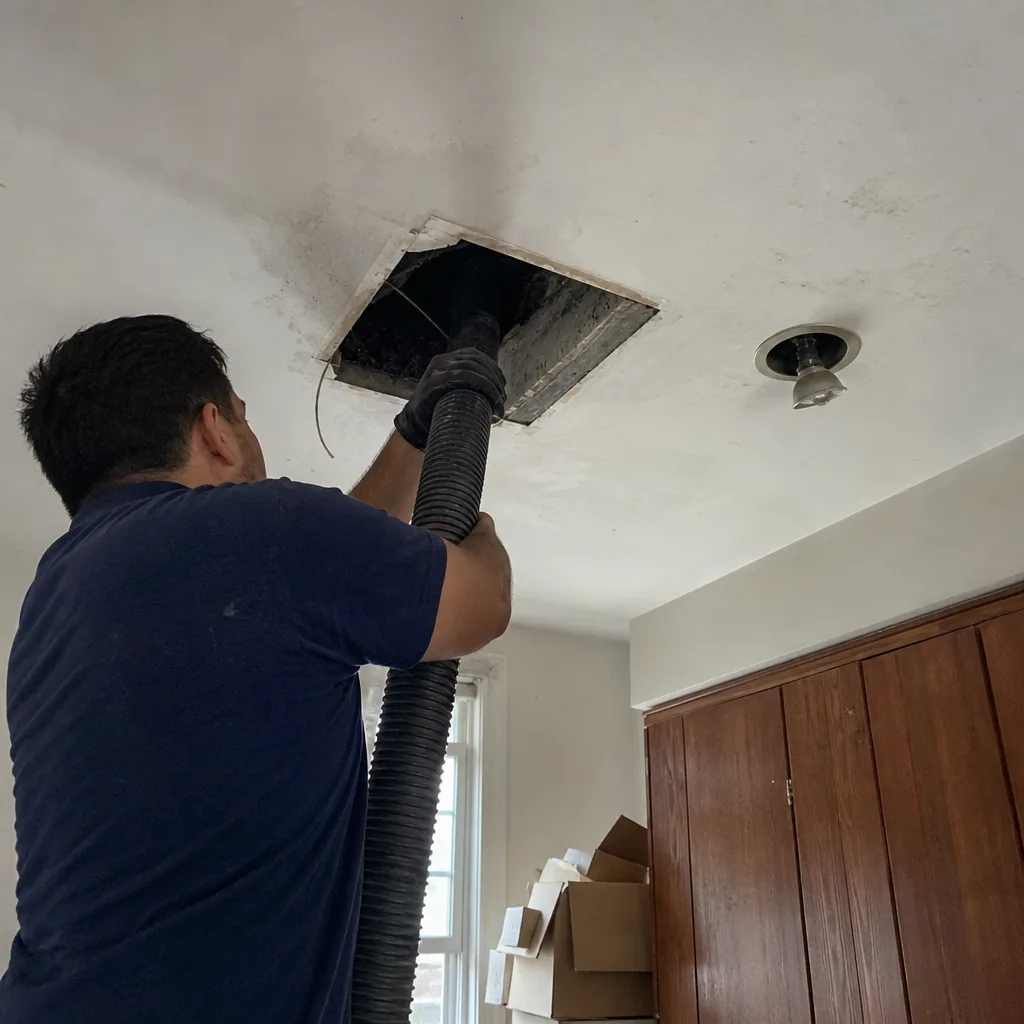 Before
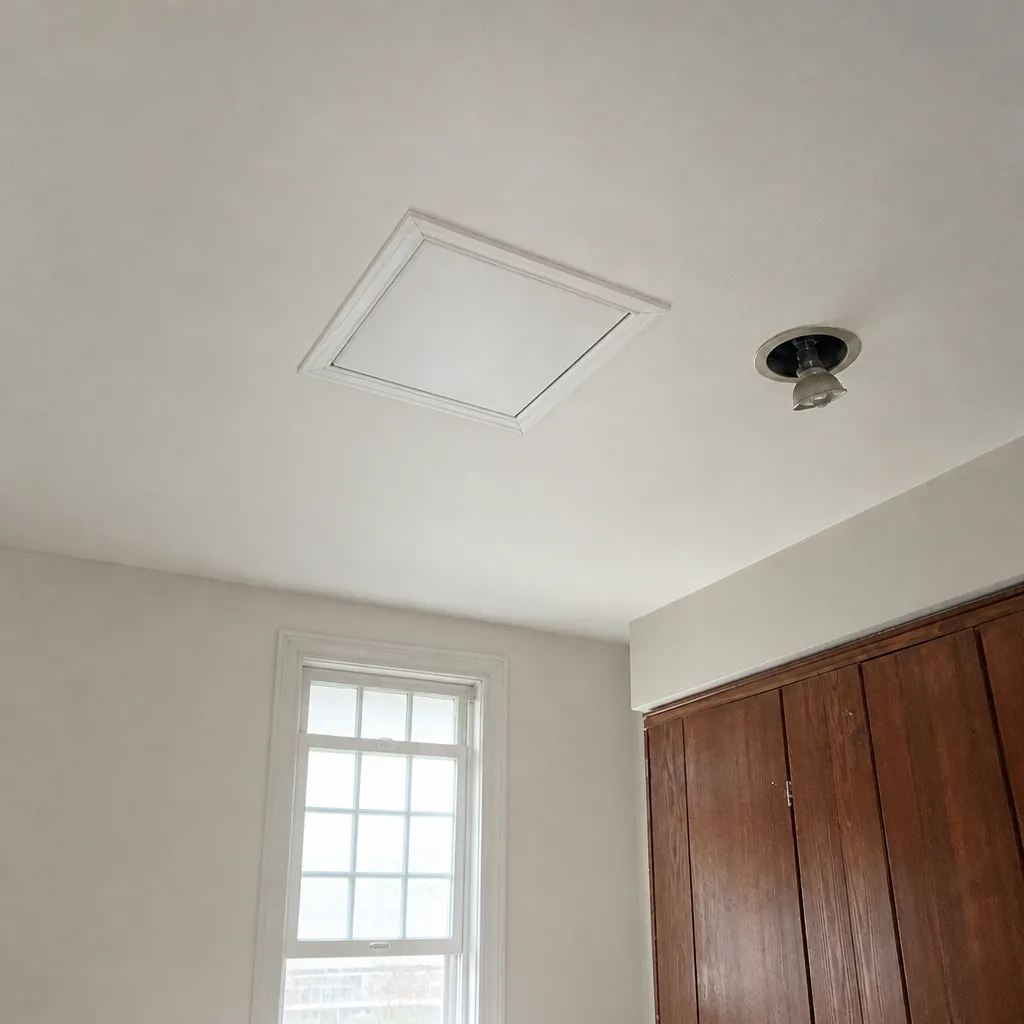 After
When to Call a Professional
Some signals are clear enough that monitoring should stop and a technician should look. Call when you see dust puffing from a register on startup, when airflow at one register has dropped noticeably relative to the others, when a musty or burning odor persists after a filter change, when you’ve had water intrusion near ductwork, or when renovation dust has run through the system. Also call if you’re moving into a Forest Hills home with an unknown system history, because establishing a baseline is easier with a professional inspection than without one. The interior of a duct system isn’t a safe place to investigate yourself, and mold contamination in particular needs a proper assessment rather than a visual guess from the grille.
Forest Hills Air Duct Cleaning offers free estimates in Forest Hills. We use professional-grade Rotobrush and Nikro equipment on every job, and we handle cleaning, sealing, HVAC service, and sanitizing as one scope so nothing gets left between contractors. Call (844) 274-2194. We answer 24/7. Fast dispatch from 7am to 7pm, Sunday through Friday. The local pro is licensed and insured as their state requires, and the written estimate sets the final price.
Frequently Asked Questions
It depends on triggers, not a calendar. Most Forest Hills homes don’t need cleaning on a fixed schedule; they need it after a renovation, after water intrusion, after pest activity, or when a new occupant with allergies moves in. Between cleanings, run the monthly observations and the annual inspection. If you have no triggers and the observations stay steady, there’s no reason to clean on a timer. Call (844) 274-2194 for a free estimate if you’re unsure which situation you’re in.
It’s necessary when there’s a specific reason, and unnecessary when there isn’t. Visible debris in the return plenum, musty odors tied to humidity, post-renovation dust, or water contamination are real reasons. A vague suggestion to clean “because it’s been a while” is not. The checklist in this guide is designed to help you tell the difference. If your observations point to a real problem, call (844) 274-2194 and get a written estimate before any work starts.
Cleaning removes debris from duct surfaces. Sealing closes the leaks at joints, collars, and takeoffs that let conditioned air escape and uncontrolled air enter. A system that’s cleaned but not sealed recontaminates faster and loses energy through the same gaps. We treat them as two parts of one job: from the HVAC unit to the vent cover, the entire air pathway gets addressed. Call (844) 274-2194 to have both assessed in one visit.
If you have radiators and no return grilles, you don’t have an air duct system, so the duct checklist doesn’t apply to your unit. What does apply is radiator and boiler maintenance: air vents that hiss or spit, uneven heat between rooms, and water-level issues. If your unit has a separate ductless AC system, that equipment has its own filter and coil care. Call (844) 274-2194 if you’re unsure which system you have and want a straight answer before booking anything.
Ask for before-and-after photos of your own ducts, not stock images. A technician using professional equipment should be able to show you the return plenum and a sample of branch runs before and after, and those photos should be of your system. We use Rotobrush and Nikro equipment and shoot photos of the actual work. One flat price per system is agreed before work starts, and you see the evidence. Call (844) 274-2194 for a free estimate.
Cheap quotes often cover surface cleaning only, or price per vent with a low headline figure that grows once the technician is on site. That’s the bait-and-switch pattern to watch for. A whole-system job covers the return plenum, trunk, and branch runs, takes real equipment, and takes time. Ask what’s included, ask whether sealing and sanitizing are in scope, and get a written estimate. Call (844) 274-2194 and we’ll quote the whole system, one flat price, before anything starts.
The Bottom Line
Air duct maintenance is a monitoring protocol, not a cleaning schedule. Watch the filter, the registers, and the airflow ranking monthly. Have the duct integrity, joint sealing, and insulation inspected annually. Clean when a trigger fires, not because a calendar said so. Document everything, because the baseline is what makes the next inspection worth doing. If you have a forced-air system in Forest Hills, those three tiers cover what you need. If you have radiators and no return grilles, you have a different system and a different checklist. Our technicians have up to 13 years of experience reading exactly this kind of system history.
Whether you’re ready for a cleaning, a sealing job, or just want a professional inspection to establish a baseline for the folder, call (844) 274-2194 for a free estimate. We answer 24/7. Fast dispatch from 7am to 7pm, Sunday through Friday. From the HVAC unit to the vent cover, we service the entire air pathway.
Written by the team at Forest Hills Air Duct Cleaning.