
Last updated November 22, 2026
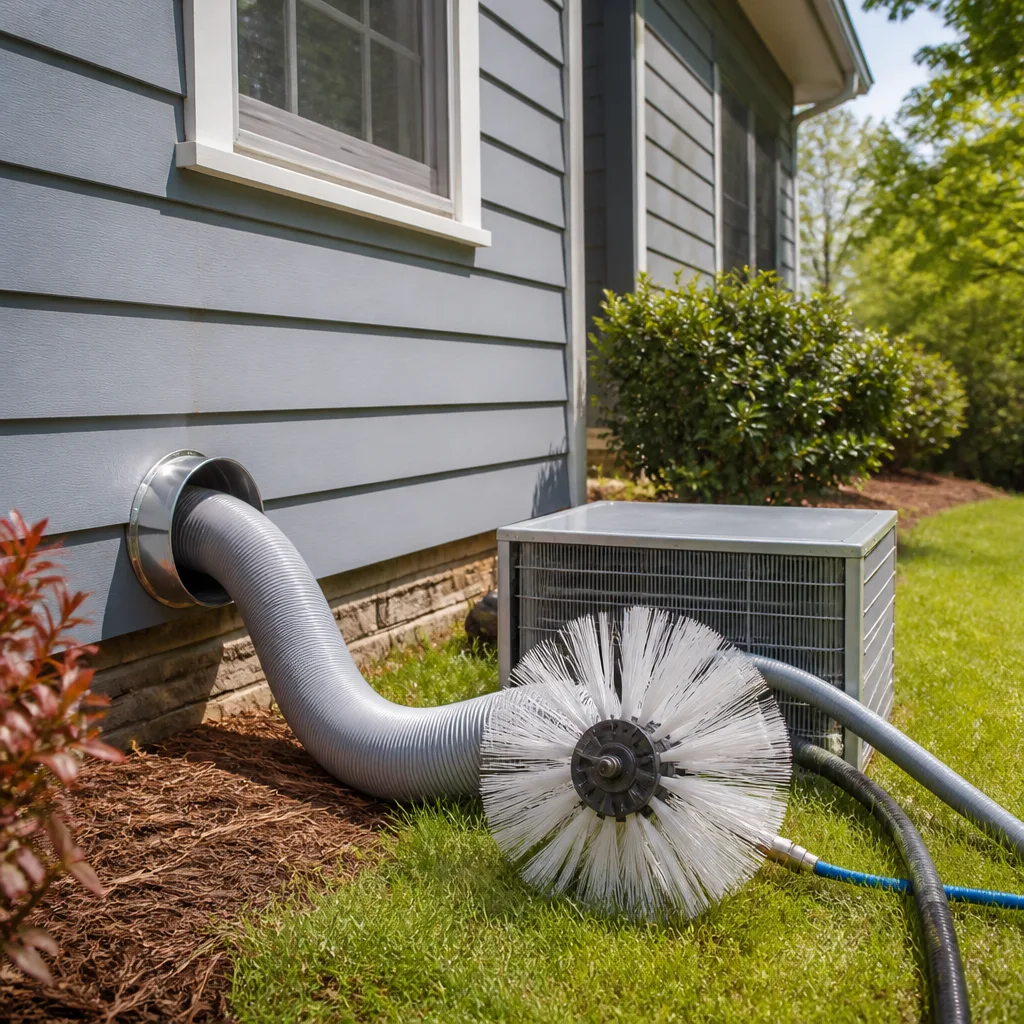 Whole-home duct cleaning
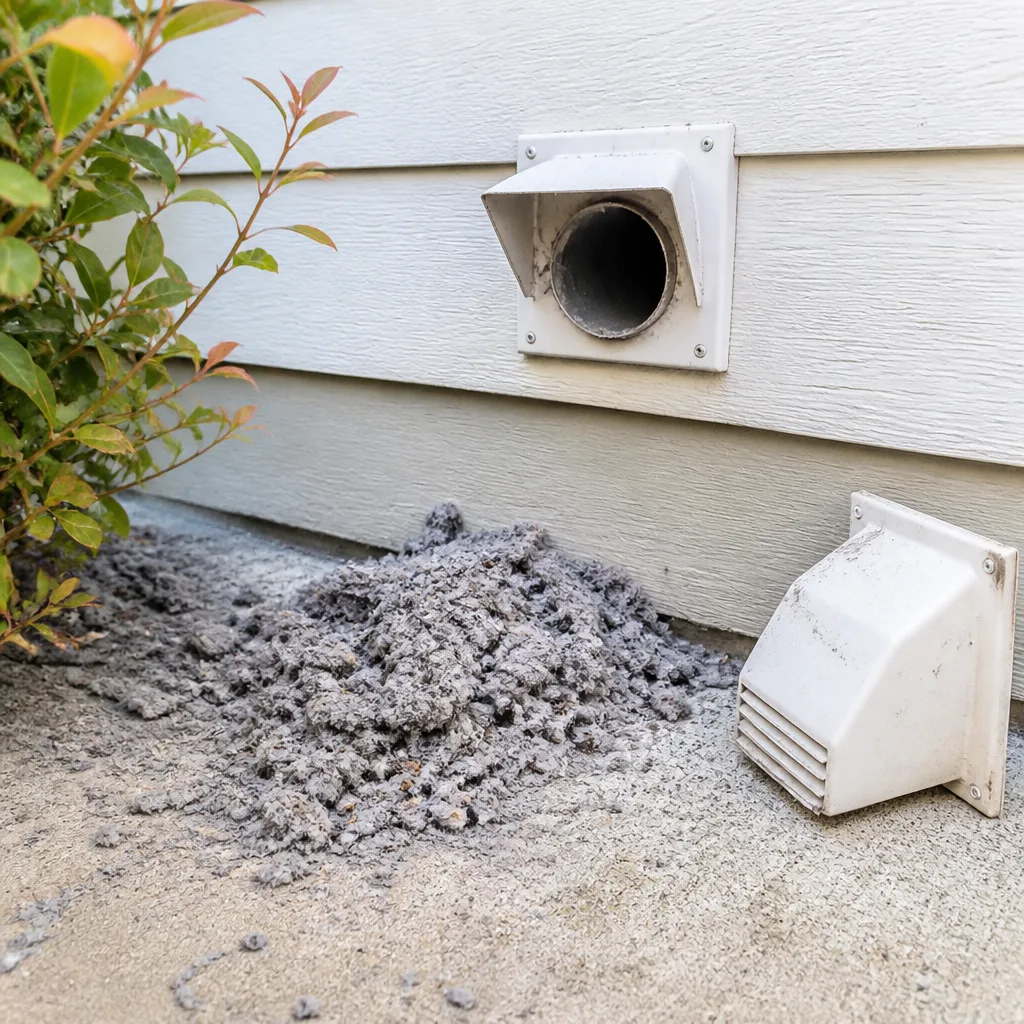 Dryer vent cleaning
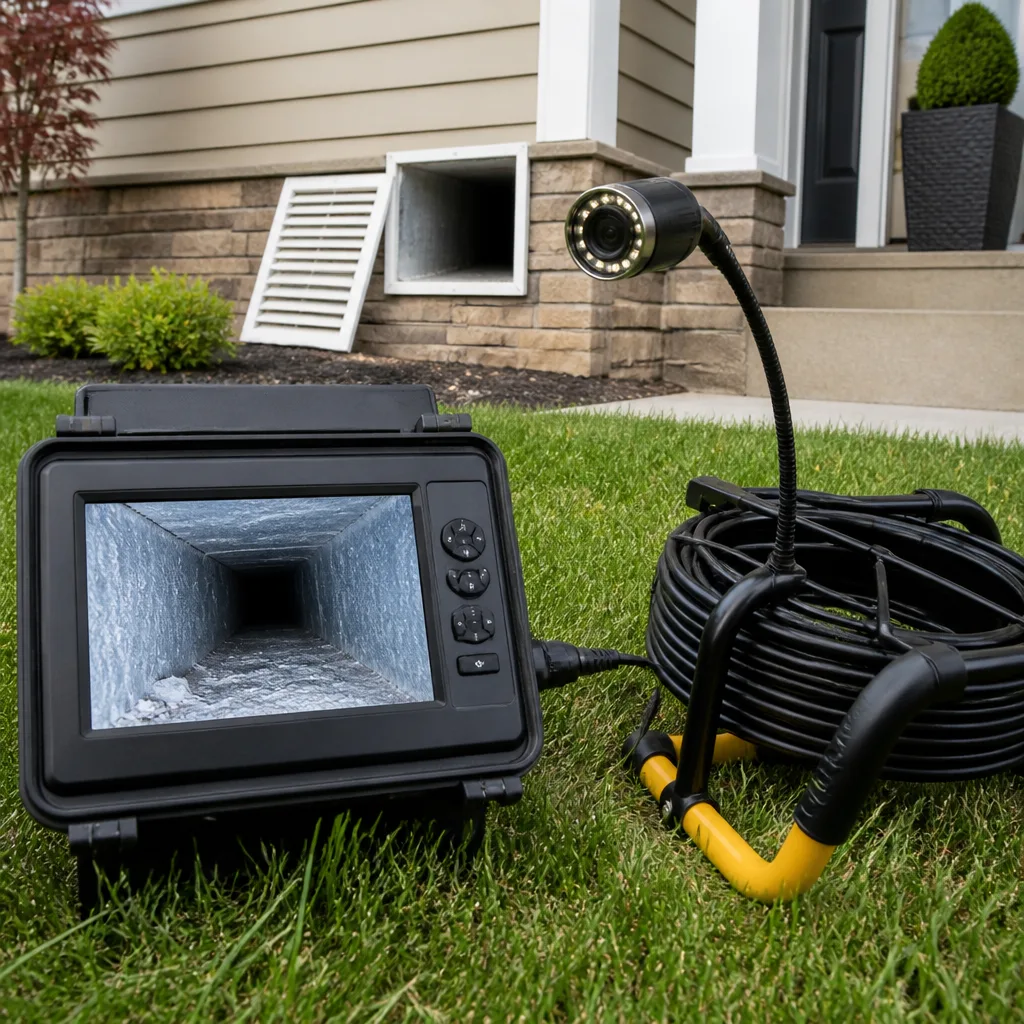 Camera inspection
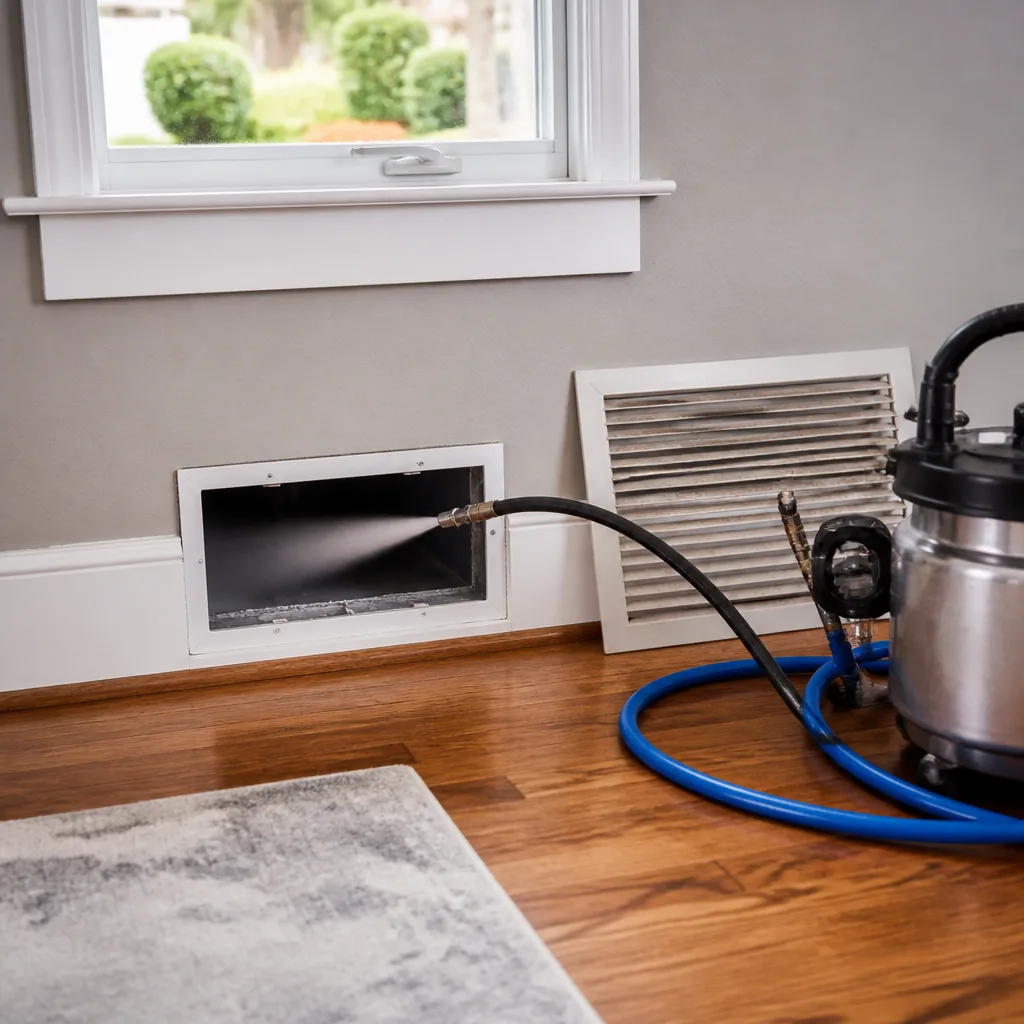 Sanitizing & deodorizing
Whole-system duct and dryer vent check with before-and-after photos - you see exactly what came out of your vents
That "$99 whole-house special" is a bait ad - the real number appears once they are in your hallway, or the "clean" is a shop-vac at the register. We photograph the inside of your ducts before and after instead.
The Complete Guide to Air Duct Cleaning in Forest Hills
Most Forest Hills homeowners who get their ducts cleaned walk away with vacuumed vent covers and untouched system interiors. Here’s the part almost no one explains: the EPA does not recommend air duct cleaning on a routine schedule, but it does specify exactly which conditions make cleaning necessary. Those conditions are what actually decide whether your home needs service, and they have little to do with how many vents you can count in a pre-war co-op or a 1960s single-family near the Grand Central Parkway. This guide walks through the full air pathway, how Forest Hills housing stock shapes duct work, how to tell source removal from a surface pass, and what a post-cleaning inspection should document.
Quick Answer
Air duct cleaning in Forest Hills involves removing debris from the entire air pathway, meaning supply and return ducts, the air handler, coils, blower and drain pan, not just the visible duct runs. A complete job uses professional source-removal equipment such as Rotobrush and Nikro systems, includes before-and-after documentation, and flags any leaks that require repair and sealing afterward. Cleaning alone does not fix poor airflow caused by damaged or disconnected ducts, so a thorough provider inspects for those too.
Styles & brands we work with
- Whole-home duct cleaning
- Dryer vent cleaning
- Camera inspection
- Sanitizing & deodorizing
Table of Contents
- What the Full Air Pathway Actually Includes
- How Forest Hills Housing Stock Shapes Duct Work
- Source Removal vs. Contact Vacuuming: What’s the Difference?
- When Is Sanitizing Warranted, and When Is It Upsold?
- What a Post-Cleaning Inspection Should Include
- What You Can Check Yourself vs. What Needs a Technician
- Dryer Vents and HVAC Systems: The Rest of the Pathway
- What Air Duct Cleaning Typically Costs in Forest Hills
What the Full Air Pathway Actually Includes
Air duct cleaning means cleaning the whole air pathway, not the ducts you can see from the register. Here’s the full list of components that touch the air your household breathes:
- Supply ducts – the branches that carry conditioned air from the air handler to the rooms
- Return ducts – the larger runs that pull air back to the system
- Air handler – the cabinet housing the blower and often the evaporator coil
- Evaporator coil – where condensation forms; a common home for microbial growth
- Blower wheel and motor housing – where dust collects on the blades and degrades airflow
- Drain pan – where standing water sits when a drain is slow or clogged
- Plenum and trunk connections – where leaks most often develop
The dirtiest of these components are almost never inside the duct runs. Coils and blower wheels collect a layer of dust that turns into a mat when condensation is present, and that mat reduces airflow, drives up runtime and eventually strains the compressor. A crew that only vacuums the supply and return runs and skips the air handler has skipped the parts doing the most damage. When we talk about air duct cleaning, we mean every item on this list, cleaned in one visit and documented before and after.
In Forest Hills, this distinction matters more than in newer housing. Many buildings have fan coils or air handlers tucked in closets, in soffits, or above hallways where access requires specific tools and a technician who knows what they’re looking at. Contact us at (844) 274-2194 for a free estimate on a full-pathway job.
How Forest Hills Housing Stock Shapes Duct Work
Forest Hills has a housing mix that creates specific duct configurations standard cleaning crews aren’t equipped for. Pre-war co-ops around Austin Street and Queens Boulevard often have original chases, fan coil units, and limited access panels. Attached Queens rowhouses share walls, which means return paths are sometimes concealed behind plaster and hard to reach. Single-family homes built from the 1950s through the 1970s often sit on crawlspaces or short basements with galvanized or early flex ducting that has since sagged, disconnected, or been spliced by past renovations.
Three practical consequences follow:
- Access panels are part of the job. A technician should be prepared to open access points rather than work only through registers. Vacuuming through a 6-inch grille leaves the plenum and trunk untouched.
- Disconnected and sagged runs are common. In older single-families, we frequently find flex runs that have slipped off the collar at the trunk, sending conditioned air into a crawlspace instead of a bedroom. That’s an energy loss problem a cleaning alone won’t solve, which is why Duct Repair & Sealing is part of our service list.
- Concealed returns need a flexible tool. Pre-war and rowhouse returns may run through short vertical chases. Rotobrush and Nikro whip systems reach into those runs without dismantling plaster.
Forest Hills also sits in a climate zone with real winter heating seasons and humid summers. That swing means condensate forms on coils for several months a year, and dust that would stay dry in a more arid climate gets a chance to become a mat. It’s a reason to inspect the air handler at cleaning time even when the ducts themselves look fine. We also see musty smells in co-ops and rowhouses that turn out to be from a slow drain pan rather than a dirty duct. That’s the kind of finding a cleaning visit can turn up if the technician checks the whole pathway.
Source Removal vs. Contact Vacuuming: What’s the Difference?
Source removal is the recognized industry standard, and it means physically loosening and extracting debris from the duct surfaces with rotary agitation tools combined with negative pressure, then capturing it in a HEPA-filtered vacuum. Contact vacuuming is exactly what it sounds like: vacuuming whatever surface the brush or hose can reach, typically at the vent and the first few feet of duct. Contact vacuuming is not useless. It’s just not a full system cleaning. Under negative pressure, the rest of the ducts continue to deposit debris onto the walls a week later.
A producer of source removal has three visible markers:
- Rotary agitation tools appear at every register, not only the ones with the easiest access
- A large HEPA vacuum is set up at a trunk or plenum access point, so debris is extracted system-wide, not just at the register the technician is working
- Photos of the interior of the ducts are taken before and after, at the same angles
We use Rotobrush and Nikro equipment on every job because that’s what source removal requires. We also take before-and-after photos of your own ducts, not stock images. That matters for the practical reason that you get to confirm the cleaning happened. If a crew works entirely through the registers with a shop-style vacuum and offers no documentation, you’ve likely paid for contact vacuuming with a full-system price tag.
If you want to compare notes on what full-pathway service should look like, read up on the Forest Hills Air Duct Cleaning scope, then call (844) 274-2194. Estimates are free and the price is set per job, not per vent.
When Is Sanitizing Warranted, and When Is It Upsold?
Sanitizing is warranted when there’s confirmed microbial growth, meaning visible contamination on a coil, drain pan or duct surface, or a musty smell that persists after a source-removal cleaning and interior drying. Sanitizing is not warranted for a system that’s simply dusty. Odor complaints alone are the case where upselling happens most often, because an odor can come from a dry trap, a slow drain, a dirty blower wheel, or a refrigerant issue, and none of those are solved by fogging a duct.
Our approach is straightforward:
- Clean the system first. Debris has to come out before any sanitizing product can make contact with the surface.
- Inspect the coil, drain pan and duct interior for visible growth. That inspection is the trigger, not a sales script.
- Sanitize with a product that treats the duct as a surface requiring protection after cleaning. We follow Guardsman-level care standards on this step, which means a dedicated product and a surface-level application, not a scent added to the return.
If someone offers to sanitize your ducts before they’ve cleaned them, that’s a sign the sanitizing is doing the sales work. In a Forest Hills co-op with an older fan coil, we’d inspect the coil and drain pan first. In a 1960s single-family with a humid basement air handler, we’d check for a slow condensate leak. If those checks come back clean, there’s no sanitizing to do. We integrate air quality products from Honeywell, Aprilaire and Abatement Technologies when a home needs filtration or purification beyond cleaning, and we’ll tell you when the system is fine as it is.
What a Post-Cleaning Inspection Should Include
A post-cleaning inspection should document three things: a visual look at the interior of the ducts before and after, a comparison of airflow at the registers, and a check of the air handler components. That documentation is your proof the work happened, and it’s what separates a full-pathway job from a rushed surface pass. Here’s what to ask for:
- Camera or photo documentation of the trunk and at least one branch run, taken before and after at the same location
- Airflow comparison at the registers, before and after, so you can tell whether the system is moving more air than it was
- Coil and blower condition in writing, including any evidence of microbial growth or standing water
- Leak observations noted at the plenum and trunk connections, with a repair quote if sealing is needed
- A written scope of what was cleaned and what was flagged for follow-up
Pressure testing of the duct path is the depth that a cleaning visit usually doesn’t include. It’s a diagnostic step more suited to a dedicated HVAC assessment when the complaint is serious energy loss or a room that never gets comfortable. But if the ducts were disconnected or badly sealed, we’ll flag it, and Duct Repair & Sealing is the follow-up that repairs the underlying problem. Clean ducts are only part of the solution, sealed intact ducts are the other.
If you’ve had a cleaning recently and never received documentation, we’ll do a full-pathway assessment and tell you what was and wasn’t addressed. Call (844) 274-2194 for a free estimate.
What You Can Check Yourself vs. What Needs a Technician
You can check several things in ten minutes without any tools. Whether those checks tell you to call a technician is a different question. Use this list as a triage:
- Odor test: Stand near a return in a room you don’t use much. If it smells musty or stale, that’s a signal to inspect. If the smell only appears when the system starts, that points to the air handler or drain pan.
- Vent inspection: Shine a light into a couple of supply registers. A light film of dust is normal. A visible crust, debris, or anything that looks like growth is not.
- Filter check: A filter that turns dark gray in a few weeks is doing its job but telling you the system is pulling in a lot of dust. A filter that stays clean for months may mean air is bypassing it through a gap in the cabinet.
- Airflow test: A tissue held to the register should flutter strongly. Weak flow in one room and normal in others suggests a disconnected or kinked run, not a cleaning problem.
What you shouldn’t tackle yourself: opening the air handler cabinet to inspect the coil, disconnecting duct runs to vacuum them, or treating any surface with a sanitizing product. Coils and electrical components sit behind panels, and a shop-style vacuum won’t extract a decade of debris from a system under negative pressure anyway. The rotary agitation gear and HEPA extraction are what make source removal possible. If you’re unsure whether to call, use the triage list above, then get a free estimate. We answer 24/7.
Dryer Vents and HVAC Systems: The Rest of the Pathway
Air ducts are one part of the air pathway, but the full picture covers the HVAC unit and the dryer vent too. A dryer vent that’s packed with lint is a fire risk, not just a performance problem. It runs behind the dryer, through a wall, and out, often through a length of flexible duct that’s sagged or been crushed over time. Lint accumulates on the inside walls, restricting the vent, and the dryer works harder and hotter as a result. In the co-ops and rowhouses across Forest Hills, we frequently see dryer ducts that have been rerouted through tight spaces.
Our dryer vent cleaning uses the same professional extraction equipment, and we check the outside termination to confirm air is actually escaping where it should. If you notice clothes taking longer to dry, that’s a reason to get the vent looked at, not just the dryer.
On the HVAC side, cleaning means the coil, blower, cabinet interior and drain pan, not just the duct runs. The HVAC cleaning scope is what determines how efficiently the system actually runs. Filters and air quality accessories from Honeywell and Aprilaire fit into this part of the job, and they’re a good fit when a home has allergy concerns that a cleaning alone doesn’t resolve. From the HVAC unit to the vent cover, we service the entire air pathway. Dryer vents, air ducts, HVAC systems, one call covers all of it.
What Air Duct Cleaning Typically Costs in Forest Hills
Air duct cleaning in Forest Hills is quoted per job, not per vent. That’s a deliberate choice. Per-vent pricing punishes homes with more registers, which in a Queens rowhouse or a large single-family is common. Whole-system quotes start with a free assessment of how many ducts there are, how many air handlers, and how accessible the runs are.
Here’s the line-item structure we use when we quote a job:
- Air handler and coil cleaning – included in a full-pathway quote, not a separate upsell
- Supply and return duct cleaning – scoped to the number of runs, not the number of visible vents
- Drain pan and blower cleaning – part of the same visit
- Dryer vent cleaning – separate job, quoted on its own
- Sanitizing – quoted only when the inspection supports it
- Duct repair and sealing – quoted as a follow-up job when leaks or disconnections are found
We give one flat price per system, agreed before work starts. That means no bait-and-switch coupon that becomes a bigger invoice once the technician is onsite. If a technician looks at your system and finds more runs than expected, you hear about it and approve it before any work continues. The written estimate sets the final number. If a quote arrives lower than everyone else’s, ask what components it covers. A per-vent teaser price almost always excludes the air handler and drain pan, which are where the real cleaning happens.
Call (844) 274-2194 for an exact quote. Estimates are free. We answer 24/7.
Common Mistakes to Avoid
- Hiring a per-vent coupon crew. A low per-vent offer almost never includes the air handler, which is where debris and dust collect most heavily. Ask what the quote covers beyond the visible duct runs before you book.
- Skipping the air handler entirely. A cleaner who only vacuums at the registers leaves the coil and blower untouched, and the system keeps depositing a layer of dust onto the freshly cleaned ducts.
- Sanitizing before cleaning. A sanitizing product can’t reach a surface that’s still covered in debris. If it’s offered first, the order of operations is wrong.
- Not asking for before-and-after photos. Documentation of your own ducts at the same location before and after is the simplest test that the cleaning happened. If a crew won’t provide it, that’s a signal.
- Ignoring a disconnected duct in a Forest Hills single-family. A flex run that has slipped off the trunk sends conditioned air into a crawlspace. Cleaning alone doesn’t fix it, and the room stays uncomfortable after the bill arrives.
- Skipping the dryer vent. A crushed or lint-packed dryer vent is a fire risk that cleaning the air ducts won’t address. Have it scoped and cleaned separately.
- Assuming a cleaning fixes a musty smell. Odors from a dry trap or a slow drain pan need the source checked, not a fogging product.
See the difference
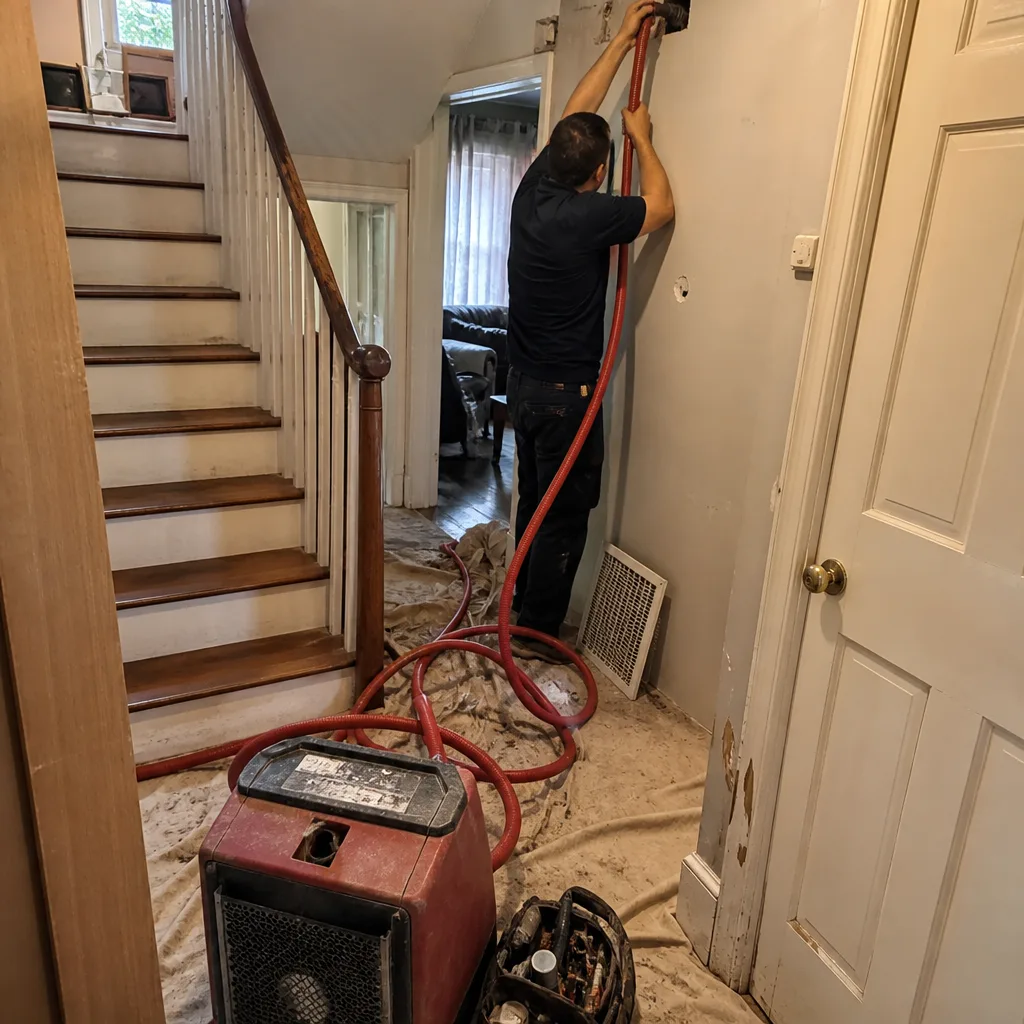 Before
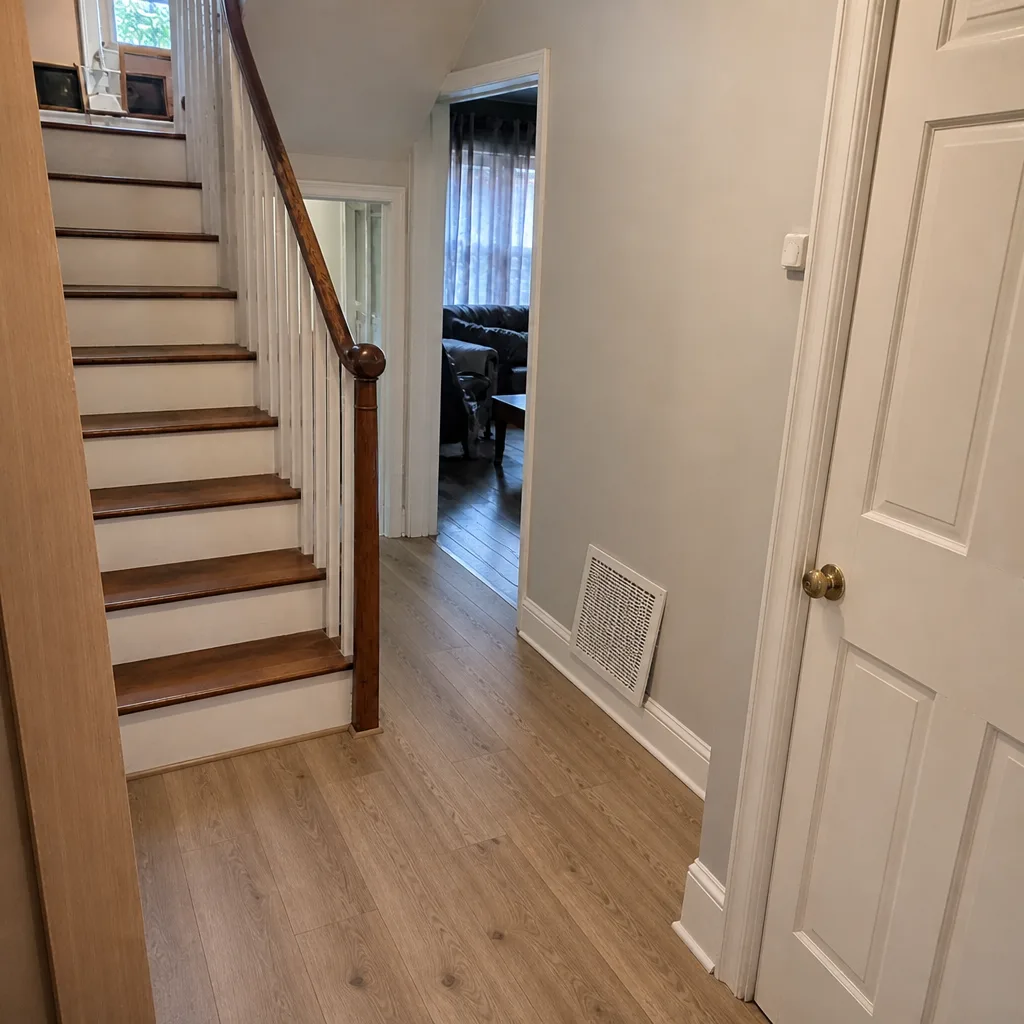 After
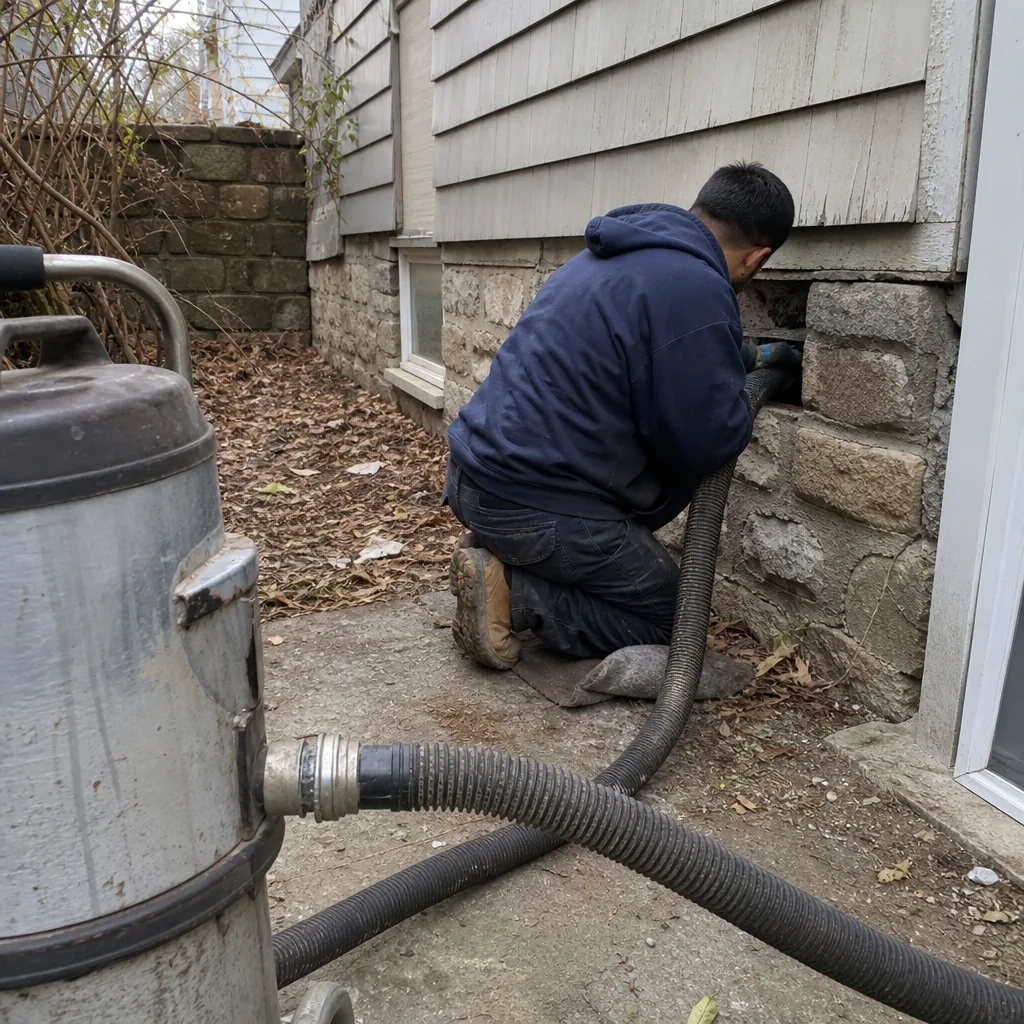 Before
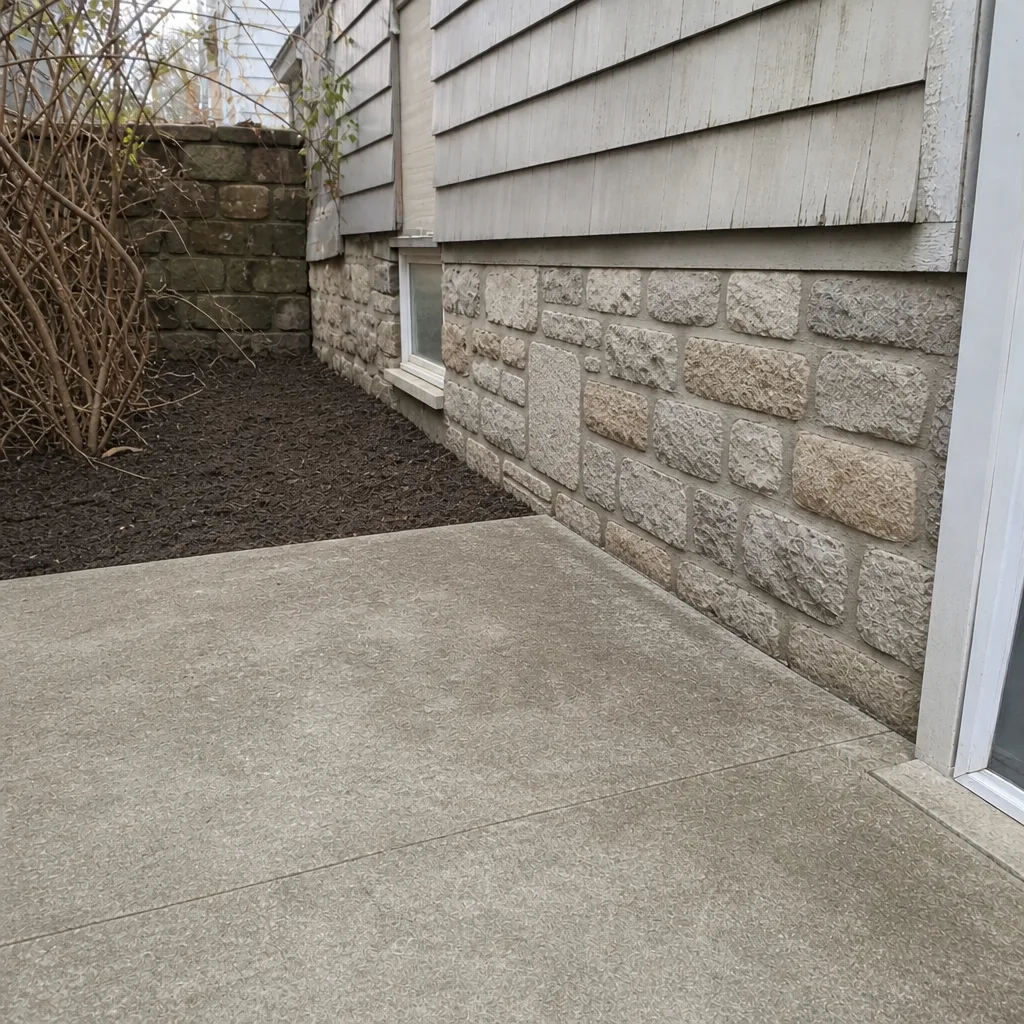 After
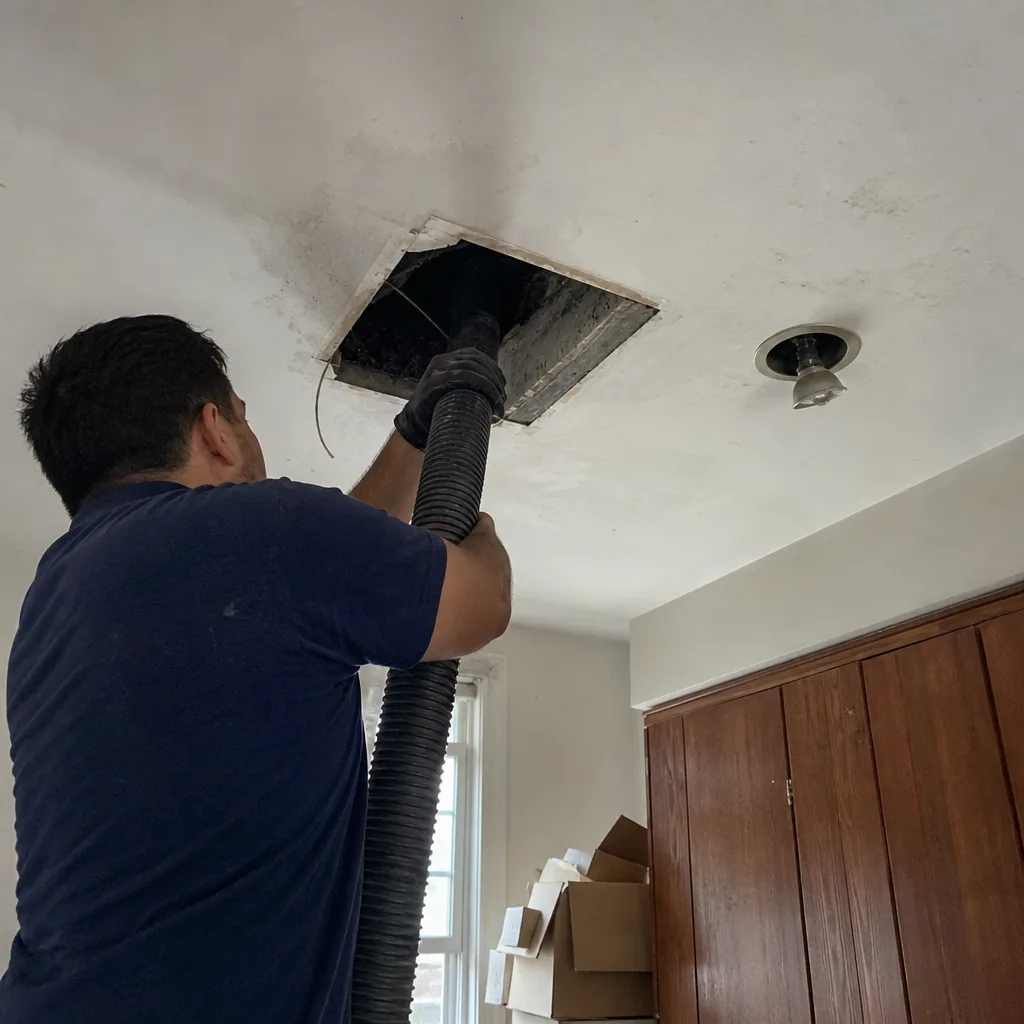 Before
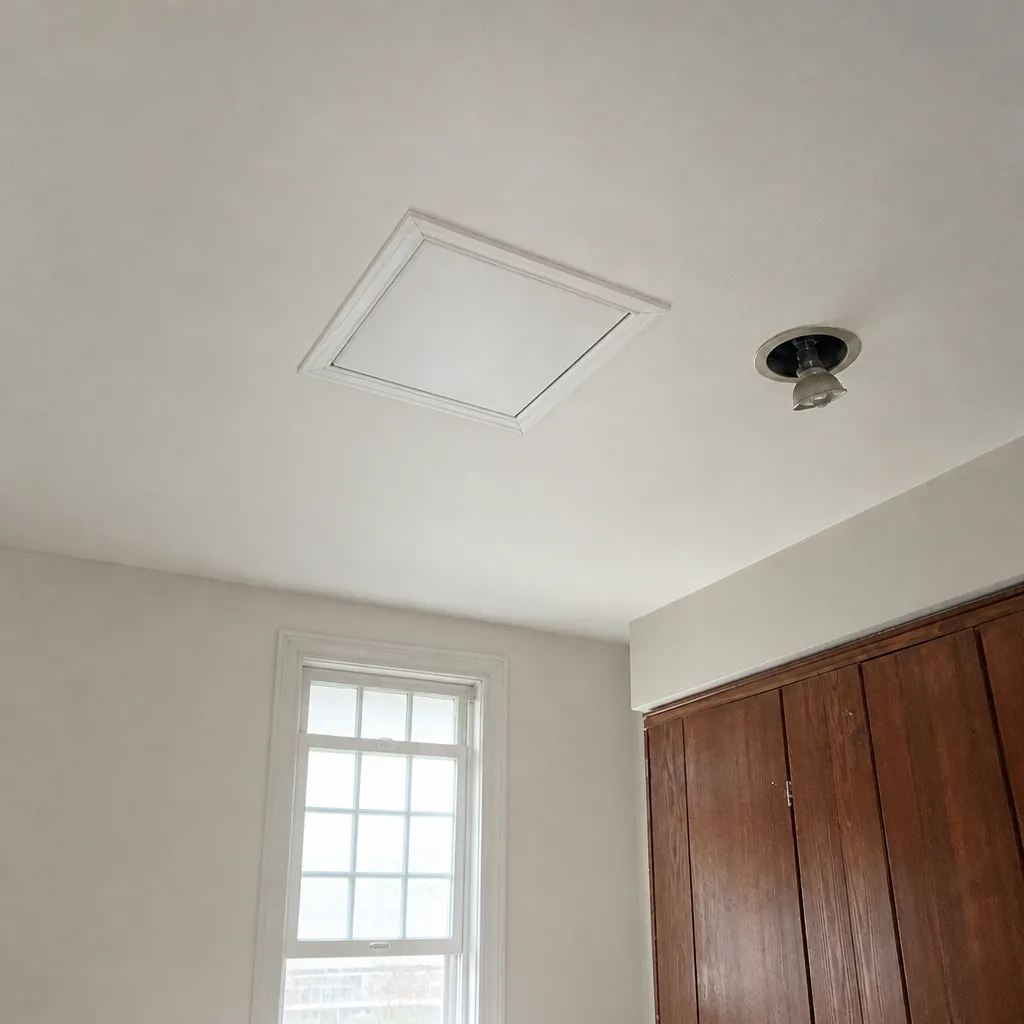 After
When to Call a Professional
Call a professional when the ducts show visible debris beyond a light dust film, when the air handler hasn’t been cleaned in years, when there’s a musty smell in a room and it persists after the system runs, when a filter turns dark within weeks, when airflow in one room is weak and stays that way, or when a dryer is taking longer to dry clothes than it used to. If you own a rental property in Forest Hills and the tenants report musty air, that’s also a reason to have the whole pathway assessed rather than cleaned on a per-vent basis. Forest Hills Air Duct Cleaning offers free estimates in Forest Hills, and we work with one flat price per system agreed before work starts. Call (844) 274-2194. We answer 24/7. Fast dispatch from 7am to 7pm, Sunday through Friday.
Frequently Asked Questions
It’s quoted per system, not per vent, and the price depends on how many air handlers there are, how many duct runs, and how accessible they are. A pre-war co-op with a single fan coil is a different job from a 1960s single-family with two systems. The written estimate sets the final price, and the estimate itself is free. Call (844) 274-2194 for an exact quote.
A cheap quote usually leaves out the components that matter most, like the air handler, coil, blower and drain pan, and it often relies on contact vacuuming rather than source removal. The low number also tends to be per-vent, which means the price climbs once the technician is onsite and counts the real number of ducts. One flat price per system agreed before work starts is the opposite approach. Call (844) 274-2194 to get a quote that covers the whole pathway.
Before-and-after photos of your own ducts, taken at the same location, plus a written scope that names what was cleaned and what was flagged for follow-up. Airflow observations at the registers help too. We take photos on every job and hand them over. If a provider won’t show you pictures of your own system, that’s the answer you need. Call (844) 274-2194 to book a visit that documents the work.
There’s no fixed schedule. The EPA does not recommend routine cleaning, but it does specify conditions where cleaning is necessary, visible debris, microbial growth, pest activity, or a system that’s been through a renovation. For most Forest Hills homes, that means cleaning on a condition basis rather than a calendar. If you’re unsure whether your system meets those conditions, call (844) 274-2194 for a free assessment.
It’s worth it when there’s confirmed growth on a coil, drain pan, or duct interior, or a musty smell that persists after cleaning and drying. It’s not worth it on a system that’s simply dusty. The inspection should trigger the sanitizing, not a sales script. Call (844) 274-2194 and we’ll tell you honestly whether sanitizing fits your system.
Not always. Weak airflow in one room usually points to a disconnected or kinked duct run, not a debris problem, and cleaning alone won’t fix that. In Forest Hills rowhouses and older single-families, this is common enough that duct repair and sealing is part of what we do. The assessment visit identifies the cause. Call (844) 274-2194 to schedule one.
The Bottom Line
Air duct cleaning is a full-pathway job, not a vent vacuuming pass. The supply and return ducts get cleaned, but so do the air handler, coil, blower and drain pan. Source removal with professional equipment is the standard, and before-and-after photos of your own ducts are the proof. Forest Hills housing stock adds its own wrinkles, from pre-war co-op chases to sagged flex runs in 1950s through 1970s single-families. Cleaning alone doesn’t fix leaks and disconnected runs; duct repair and sealing addresses those. Sanitizing is a condition-based step, not a default. And the honest price for a cleaning job is one flat number per system, agreed before work starts.
Whether you’ve noticed a musty smell, weak airflow in one room, or a filter that turns dark too fast, a free estimate gets you an honest assessment of what your system actually needs. From the HVAC unit to the vent cover, we service the entire air pathway. Call (844) 274-2194. We answer 24/7. Fast dispatch from 7am to 7pm, Sunday through Friday.
Written by the team at Forest Hills Air Duct Cleaning.