
Last updated November 22, 2026
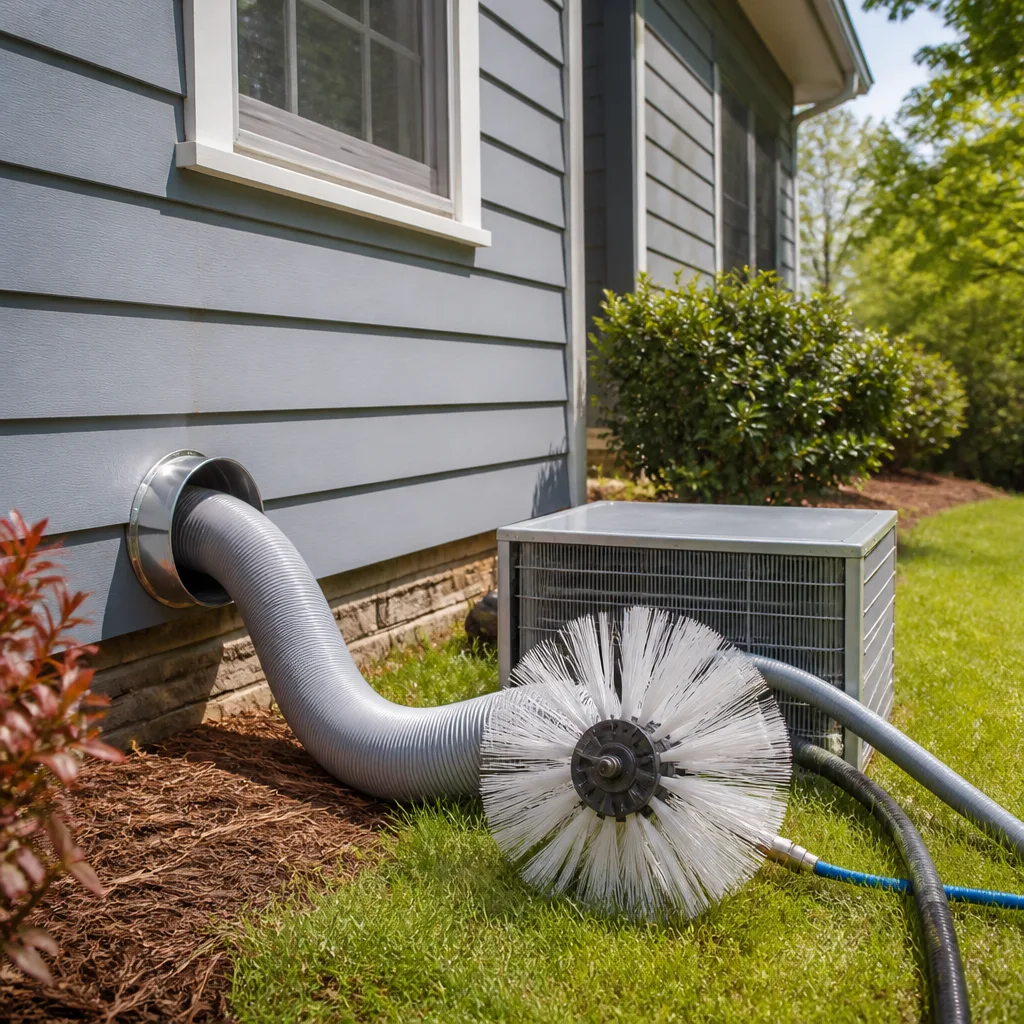 Whole-home duct cleaning
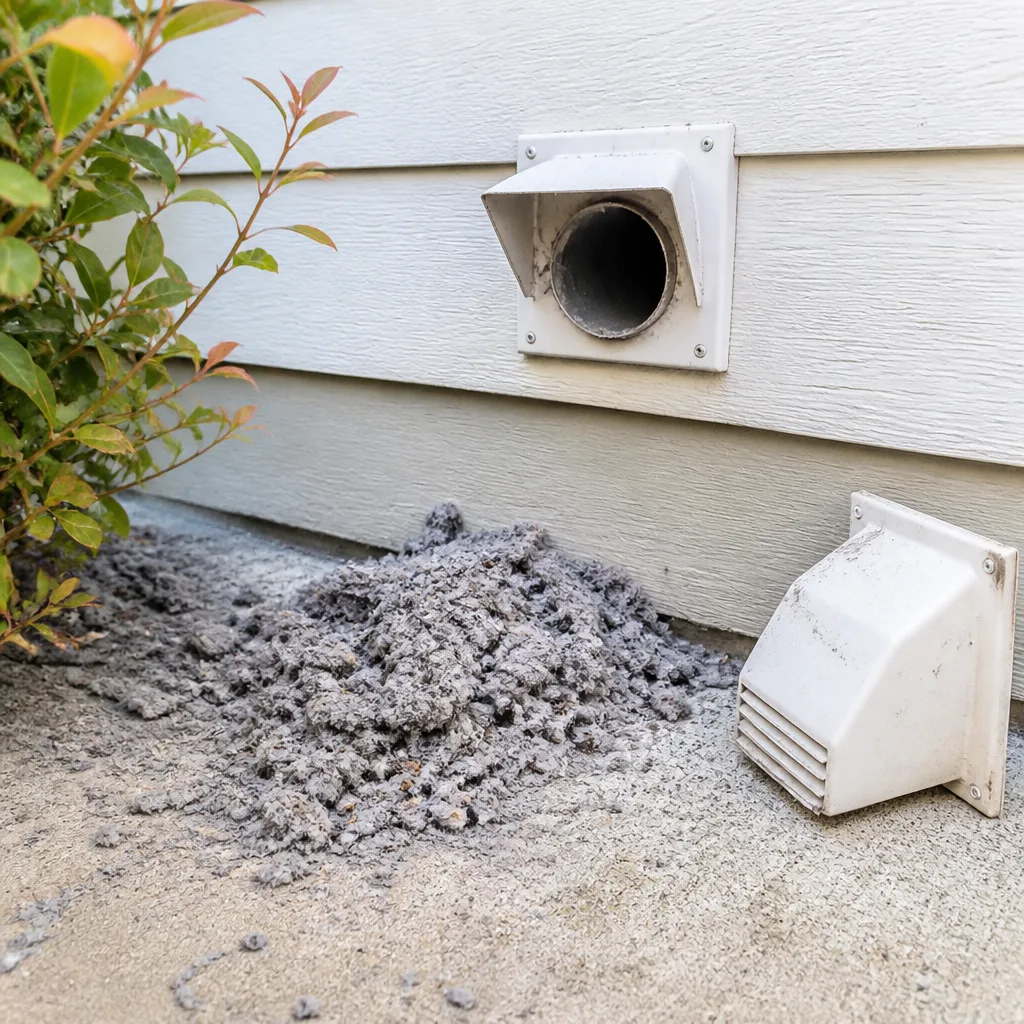 Dryer vent cleaning
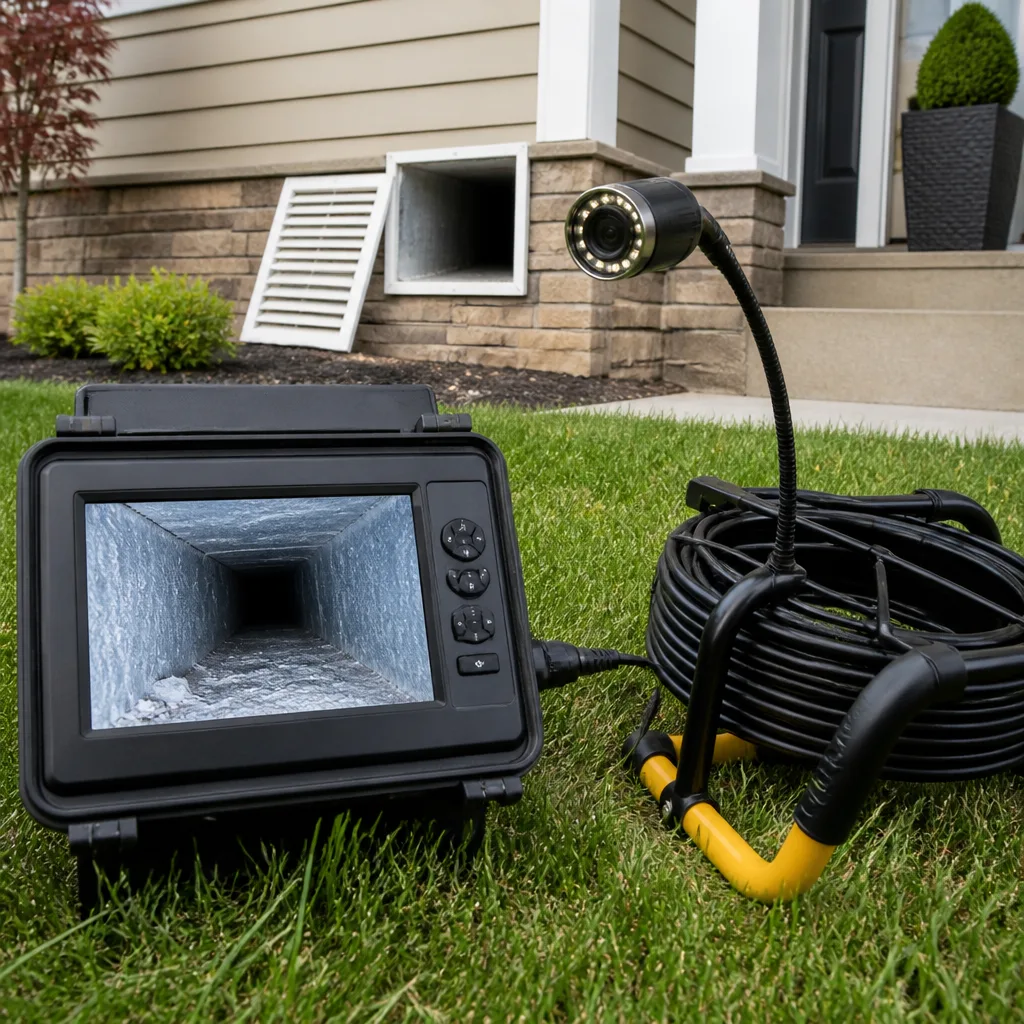 Camera inspection
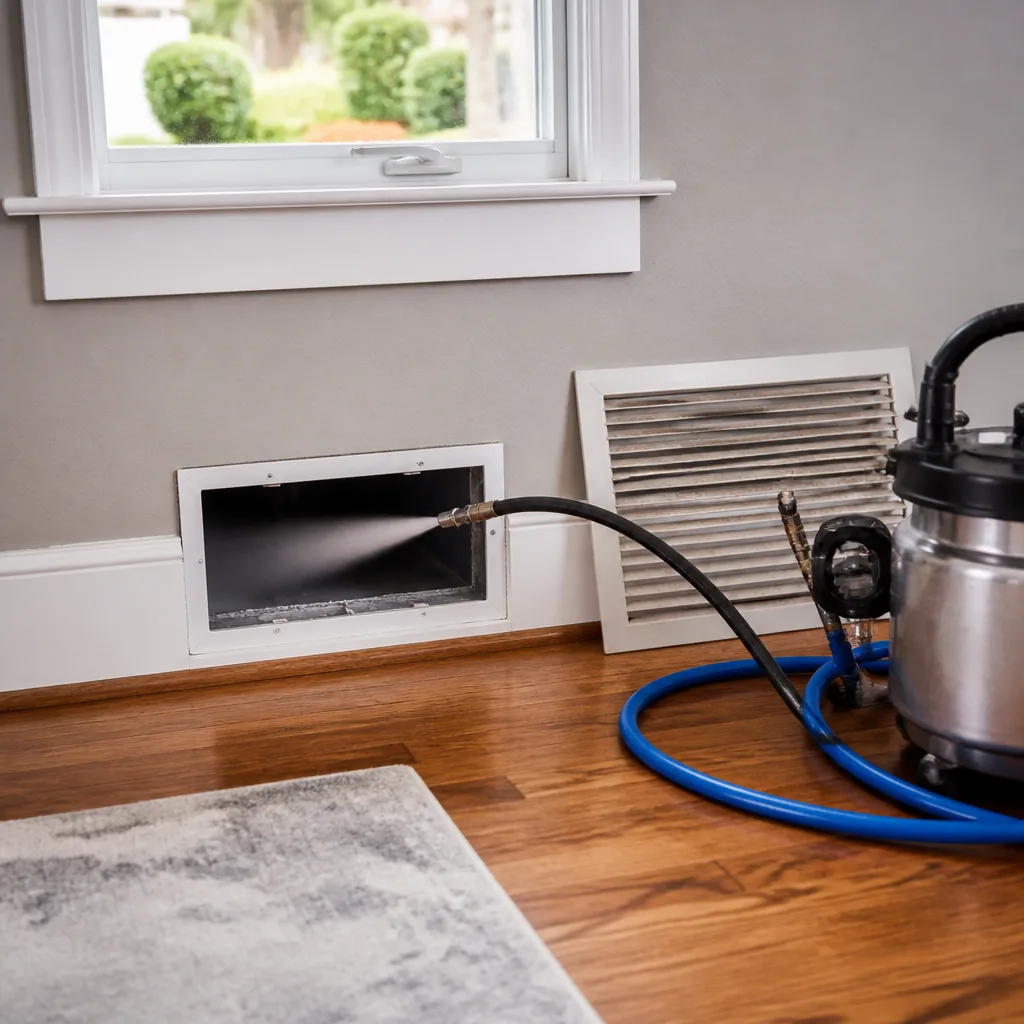 Sanitizing & deodorizing
Whole-system duct and dryer vent check with before-and-after photos - you see exactly what came out of your vents
That "$99 whole-house special" is a bait ad - the real number appears once they are in your hallway, or the "clean" is a shop-vac at the register. We photograph the inside of your ducts before and after instead.
DIY vs Professional Air Duct Cleaning: The Forest Hills Homeowner’s Decision Guide
You can rent a commercial vacuum, buy a set of duct brushes, and spend a Saturday working through the registers and accessible duct runs in your Forest Hills home, and you will accomplish something real. What you won’t accomplish is cleaning the return air plenum, the blower wheel, the evaporator coil, or the first stretch of duct connected to the air handler, which is where most system contamination actually lives. The DIY versus professional question usually gets framed as a skill gap. It isn’t. It’s an equipment gap, and it comes down to physics. This guide explains exactly what DIY cleaning can and cannot reach, when it makes sense as an interim measure, when it can make things worse, and how to compare the real costs on both sides.
Quick Answer
DIY air duct cleaning can handle register cleaning, surface debris in accessible straight duct runs, and dryer vent lint removal. It cannot perform source removal inside the system because no consumer-grade or rental vacuum generates the negative pressure required to capture dislodged debris at the point of agitation. Professional cleaning with truck-mounted or high-powered portable systems from brands like Rotobrush and Nikro reaches the plenum, blower, coil, and branch runs that DIY tools never touch.
Styles & brands we work with
- Whole-home duct cleaning
- Dryer vent cleaning
- Camera inspection
- Sanitizing & deodorizing
Table of Contents
- What DIY Air Duct Cleaning Actually Achieves
- The Negative Pressure Requirement: Why This Is Physics, Not Sales
- The Hidden Cost of DIY: Dislodged Debris and Re-Entry
- DIY vs Professional Cost Breakdown in Forest Hills
- When DIY Is a Reasonable Interim Measure
- When DIY Is Contraindicated and Potentially Harmful
- What a Professional Cleaning Covers From HVAC Unit to Vent Cover
- How to Evaluate a Duct Cleaning Quote in Forest Hills
What DIY Air Duct Cleaning Actually Achieves
Let’s be precise about the DIY scope, because the honest version is more useful than either extreme. A homeowner with a shop vac, a register brush, and a few hours can meaningfully improve the parts of the system they can see and reach. That’s a real category of work, and it has real value.
Here’s what DIY cleaning reliably covers:
- Register and grille cleaning. Removing dust, pet hair, and debris from supply and return covers, and wiping down the visible interior of the register boot.
- Accessible straight-run duct surface debris. The first few feet of duct behind an open register, where a brush on a flexible rod can physically reach.
- Dryer vent lint removal. Pulling lint from the accessible section of dryer duct and cleaning the exterior vent flap. This is one of the more worthwhile DIY tasks, and it matters for fire safety.
- Visible surface dust on and around the air handler cabinet. Wiping down the exterior, changing filters, and keeping the equipment area clean.
Now the honest math. The contamination that drives allergy symptoms, musty odors, and airflow problems sits mostly in the parts of the system you can’t reach with a register brush: the return air plenum, the blower wheel, the evaporator coil, the interior of branch runs past the first bend, and the duct sections closest to the air handler. In our experience, the visible surface layer a homeowner can address represents a small fraction of the total contamination load in a typical Forest Hills system. Cleaning registers is worthwhile housekeeping. It isn’t system cleaning, and it shouldn’t be confused with it.
The Negative Pressure Requirement: Why This Is Physics, Not Sales
Professional duct cleaning is built around a principle called source removal: you agitate contamination loose and capture it under negative pressure at the same moment, so the debris leaves the system instead of settling back into it. The capture side is where consumer equipment falls short, and it’s not a close call.
Here’s how a proper source-removal job works, and why the sequence matters:
- Establish negative pressure. A high-powered vacuum unit connects to the system, usually at a main trunk or through a temporary access port, and pulls the entire duct network into negative pressure before any agitation begins.
- Agitate the interior surfaces. Rotating brush systems, like the Rotobrush equipment our technicians use, travel through the ductwork and physically loosen debris from the duct walls. Air whips and compressed air lines reach the plenum and coil area.
- Capture continuously. Because negative pressure is running the whole time, loosened material travels toward the vacuum rather than into the room. The capture and the agitation are one operation, not two.
- Clean the mechanical components. The blower wheel and evaporator coil get cleaned directly, since debris accumulates there and restricts airflow.
- Sanitize and verify. After cleaning, the duct interior is treated with a sanitizing application, and the system is checked for sealing issues and airflow.
A shop vac or a rented carpet vacuum cannot hold an entire duct network under negative pressure while a brush is running through it. That’s the constraint. It has nothing to do with how careful or capable a homeowner is. It’s a matter of vacuum capacity and system volume, and no consumer-grade tool closes that gap.
The Hidden Cost of DIY: Dislodged Debris and Re-Entry
The most expensive part of DIY duct cleaning usually isn’t the rental fee. It’s what happens to the debris you loosen but don’t capture. When you run a brush through a duct without meaningful negative pressure behind it, you’re agitating contamination inside a closed system with air still moving through it. Some of that material settles further down the run. Some of it gets pulled toward the living space the next time the system cycles on.
In a Forest Hills home, that re-entry lands in bedrooms and living rooms, on furniture, and into the return air stream that feeds back through the system. If anyone in the household deals with allergies or asthma, the effect is exactly backwards from what the cleaning was supposed to accomplish.
This is why “clean ducts are only part of the solution – sealed, intact ducts are the other.” Agitation without capture, or cleaning without checking for leaky joints afterward, can move contamination into the conditioned space instead of removing it. That’s not a scare tactic. It’s the reason source removal is defined the way it is in the industry, and why professional equipment from manufacturers like Nikro is built around capture capacity rather than brush attachments.
DIY vs Professional Cost Breakdown in Forest Hills
A DIY session typically runs $80 to $200 in equipment rental, brushes, filters, and materials, plus several hours of your time on a ladder. A professional whole-system cleaning is priced per job by a written estimate, and the range depends on system size, number of runs, and condition. Here’s the honest line-item comparison of what each approach covers.
| Item | DIY | Professional |
|---|---|---|
| Register and grille cleaning | Included | Included |
| Accessible straight-run surface debris | Included | Included |
| Dryer vent lint removal | Accessible section only | Full run to exterior |
| Return air plenum cleaning | Not possible | Included |
| Blower wheel and evaporator coil cleaning | Not possible | Included |
| Branch duct interior past first bend | Not possible | Included |
| Negative pressure source removal | Not possible | Included |
| Sanitizing application | Not included | Included |
| Duct leak inspection and sealing | Not included | Included |
| Typical cost | $80-$200 in materials | Per-job written estimate |
The professional side is quoted as one flat price per system, agreed before work starts, so there are no per-vent surprises on the invoice. If you want an exact figure for your home, call (844) 274-2194 or ask for a written estimate. The comparison isn’t “cheap versus expensive.” It’s “partial surface maintenance versus full-system removal,” and those are different products.
When DIY Is a Reasonable Interim Measure
There are honest scenarios where a homeowner should pick up a brush and a vacuum, and we’ll say so plainly. DIY makes sense when the system is genuinely low-contamination and you’re maintaining rather than correcting a problem.
DIY is a reasonable choice in these cases:
- Recent professional cleaning being maintained. If your ducts were professionally cleaned in the last year or two and the system is otherwise healthy, periodic register cleaning and filter changes are good housekeeping. You’re protecting a clean system, not trying to clean a dirty one.
- Low-contamination systems. A newer home with no pets, no recent renovations, no moisture issues, and no symptoms of poor air quality. There’s less for a professional to remove, so the marginal value of a full cleaning is lower.
- Cost is a genuine barrier right now. If a full professional cleaning isn’t in the budget at the moment, register cleaning and dryer vent cleaning are worthwhile, low-risk steps while you save toward a proper job.
- You want to handle the dryer vent between professional cleanings. Lint builds up fast, and pulling the accessible length yourself is genuinely useful, provided you also check the exterior flap and never leave the duct disconnected.
In these cases, DIY is maintenance, not remediation. If you notice musty odors, visible dust blowing from registers, or allergy symptoms that seem tied to the HVAC system, you’ve moved past the maintenance category and the picture changes.
When DIY Is Contraindicated and Potentially Harmful
Some conditions turn DIY duct cleaning from “limited but harmless” into “limited and potentially counterproductive.” These are the situations where we tell homeowners to stop and bring in professional equipment, not because of a sales argument but because agitation without capture makes those specific problems worse.
DIY should be avoided, and professional inspection sought, in these cases:
- Suspected mold growth. If you can see discoloration on duct surfaces or smell a persistent musty odor, brushing disturbs spores into the airstream. Molds require proper containment, capture, and sanitizing, and often a moisture source investigation first.
- Post-renovation debris. Drywall dust, sawdust, and construction particles settle deep into branch runs and the plenum. A brush in a straight run doesn’t reach them, and agitation without negative pressure spreads fine particulate through the house.
- Vermin evidence. Droppings, nesting material, or chewed duct insulation signal a contamination problem that requires proper PPE, containment, and often duct repair and sealing, not a shop vac.
- Deteriorating flex duct. Older flex duct with a failing inner liner or torn insulation can release trapped material when agitated. Running a brush through compromised flex duct can turn a repairable duct into a replacement.
- Anyone in the household with respiratory sensitivity. Asthma, severe allergies, or immune conditions raise the stakes on any airborne debris, and DIY capture doesn’t exist.
If any of those apply, the right first step is a professional assessment, not a Saturday project. We’d rather tell you that than sell you a cleaning that doesn’t address the actual problem.
What a Professional Cleaning Covers From HVAC Unit to Vent Cover
The scope difference is the whole argument. A professional air duct cleaning job treats the entire air pathway as one system, from the equipment that moves the air to the vent cover it exits through, because contamination doesn’t respect the boundary between components.
Here’s what a full-system job involves:
- The air handler and HVAC unit. The blower wheel and evaporator coil are cleaned directly, since debris on the coil insulates it and debris on the blower wheel unbalances it. This falls under HVAC cleaning and matters as much as the ducts themselves.
- The return air plenum. The box connecting the return ducts to the air handler collects some of the heaviest debris in the system, and no consumer tool reaches it.
- Supply and return duct runs. Rotating brush and air whip systems travel the full network under continuous negative pressure, loosening and capturing debris from every reachable surface.
- Duct repair and sealing. Cleaning reveals leaks, disconnected joints, and failing flex duct. Sealing those joints keeps conditioned air in the ducts and stops contaminants from re-entering. Cleaning without addressing leaks is a partial fix, and we treat sealing as part of the job when the inspection calls for it.
- Sanitizing. After cleaning, the duct interior is treated so it’s protected as a clean surface. Guardsman-level care in the sanitizing step means the duct is protected after debris removal, not just swept.
- Filtration and purification recommendations. Where the system needs better filtration, we work with Honeywell and Aprilaire products so the fix matches what the system can actually handle.
That’s the difference between a cleaning and a full-system service: cleaning, sealing, and sanitizing together. Air quality you can measure, not just claim.
How to Evaluate a Duct Cleaning Quote in Forest Hills
The duct cleaning industry has a well-earned reputation problem, and the bait-and-switch coupon is the reason. A very low advertised price that balloons once the technician is on site is a known pattern, and it’s worth knowing how to spot a quote that will hold. The good news is that a few questions separate the serious providers from the rest.
Ask these before you book:
- Is the price per system or per vent? Per-vent pricing is how a modest quote becomes a large invoice. Ask for one flat price per system, agreed before work starts.
- What equipment will be on site? A legitimate provider uses professional-grade equipment from recognizable manufacturers like Rotobrush or Nikro, not a shop vac. Ask for the method.
- Will I see before-and-after photos? Photos of your own ducts, not stock images, are the simplest proof the work happened.
- Does the quote include the plenum, coil, and blower? If it doesn’t, it’s a surface job priced like a full one.
- Is sealing part of the service? A provider that doesn’t inspect for duct leaks is leaving the recontamination problem in place.
- Is the estimate written and free? A written estimate is what protects you from an escalating invoice. It should be free.
The local professionals we connect homeowners with are licensed and insured as their state requires, and the price is set per job by the written estimate. That’s the standard worth holding every quote to, ours included.
Common Mistakes to Avoid
- Assuming the registers are the system. Cleaning vent covers and assuming the duct behind them is clean skips the plenum, the coil, and every branch run, which is where the contamination actually sits.
- Running a brush without negative pressure behind it. Agitation without capture pushes debris deeper or into the living space. In a Forest Hills home with allergies in the household, that’s a step backward.
- Choosing a quote on price alone. A very low advertised figure is a signal to ask about per-vent pricing and scope, not a deal to grab. The honest comparison is whole-system scope against whole-system scope.
- Skipping the dryer vent. A clogged dryer vent is a fire concern and a common cause of long dry times. It’s a separate job from duct cleaning and it matters.
- Cleaning without inspecting for leaks. Unsealed joints let conditioned air escape and allow contaminants back in. Cleaning an unsealed system leaves a known problem in place.
- Brushing suspected mold or vermin contamination. Disturbing biological contamination without proper containment and PPE spreads it. These cases call for a professional assessment first.
- Ignoring moisture. Duct contamination is often a symptom of humidity or a leak elsewhere. Cleaning without finding the moisture source means it comes back.
See the difference
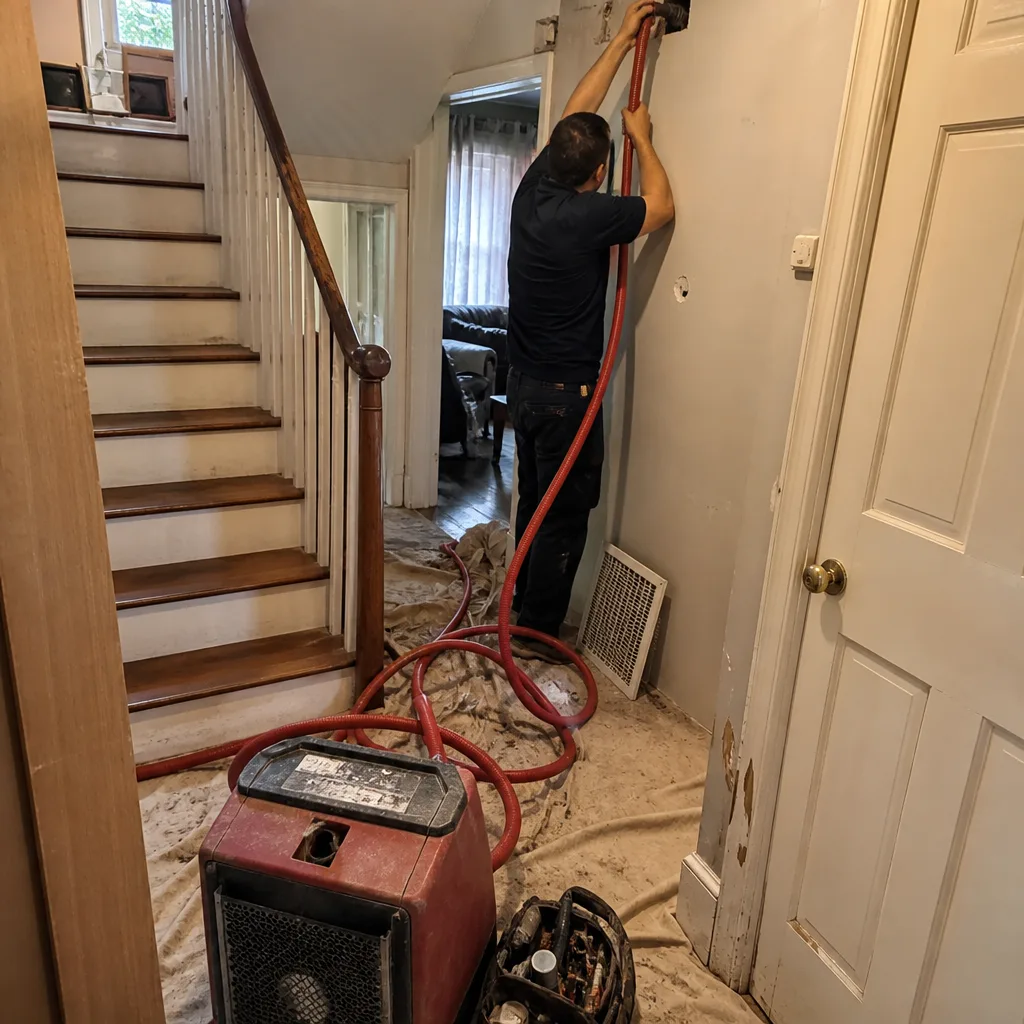 Before
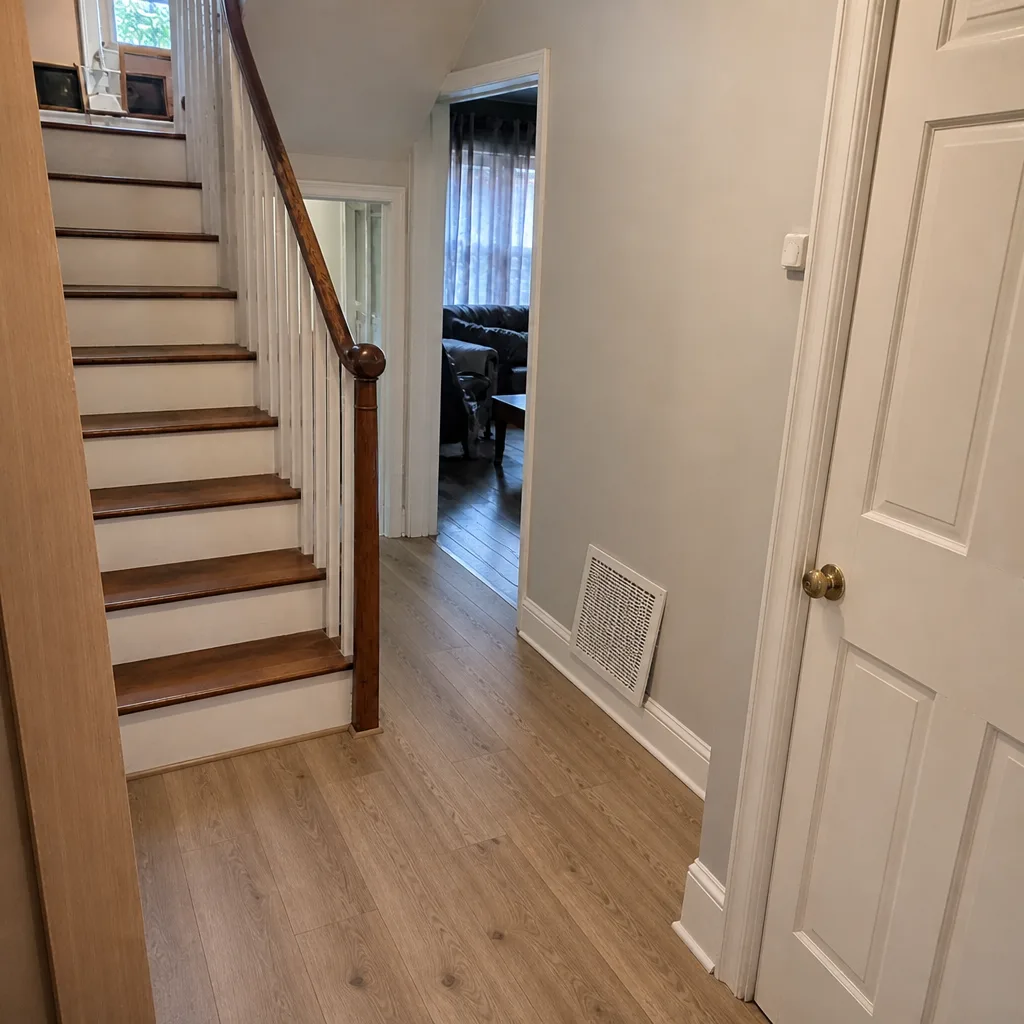 After
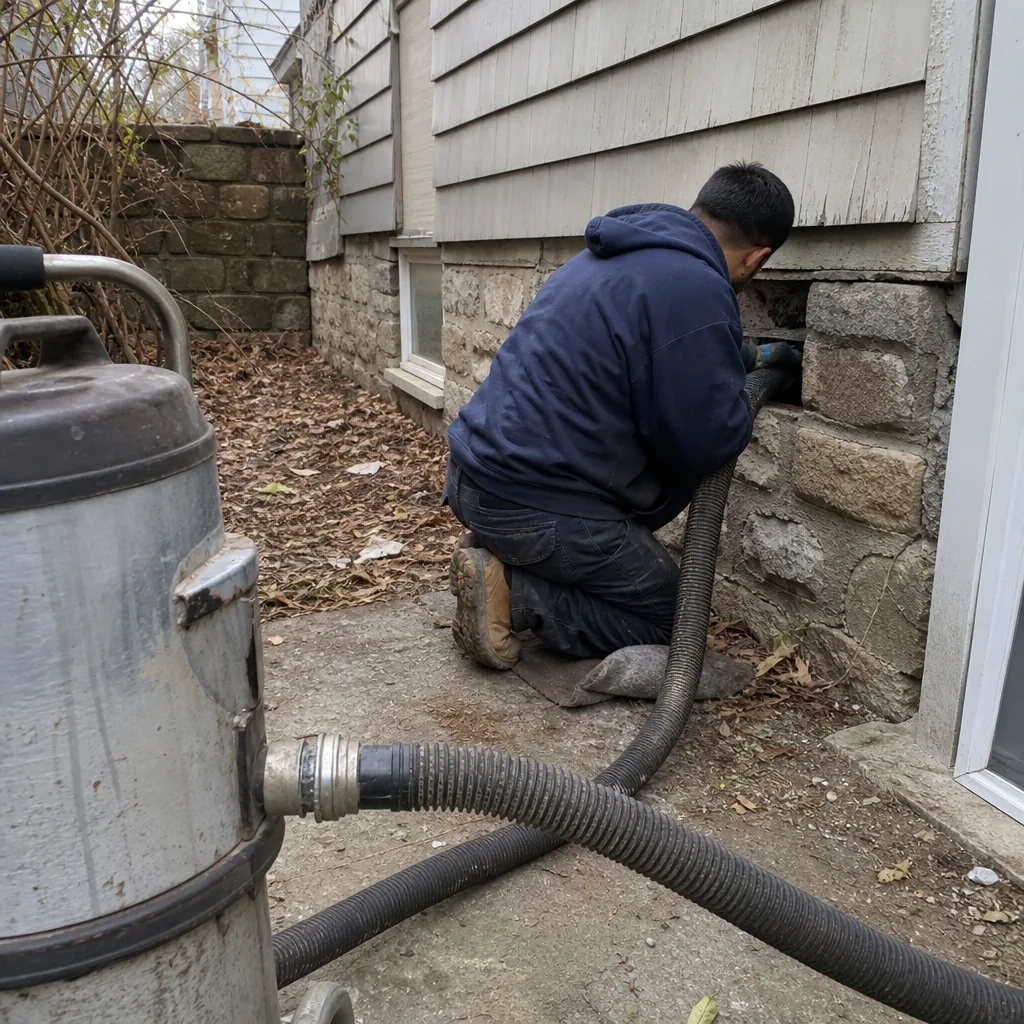 Before
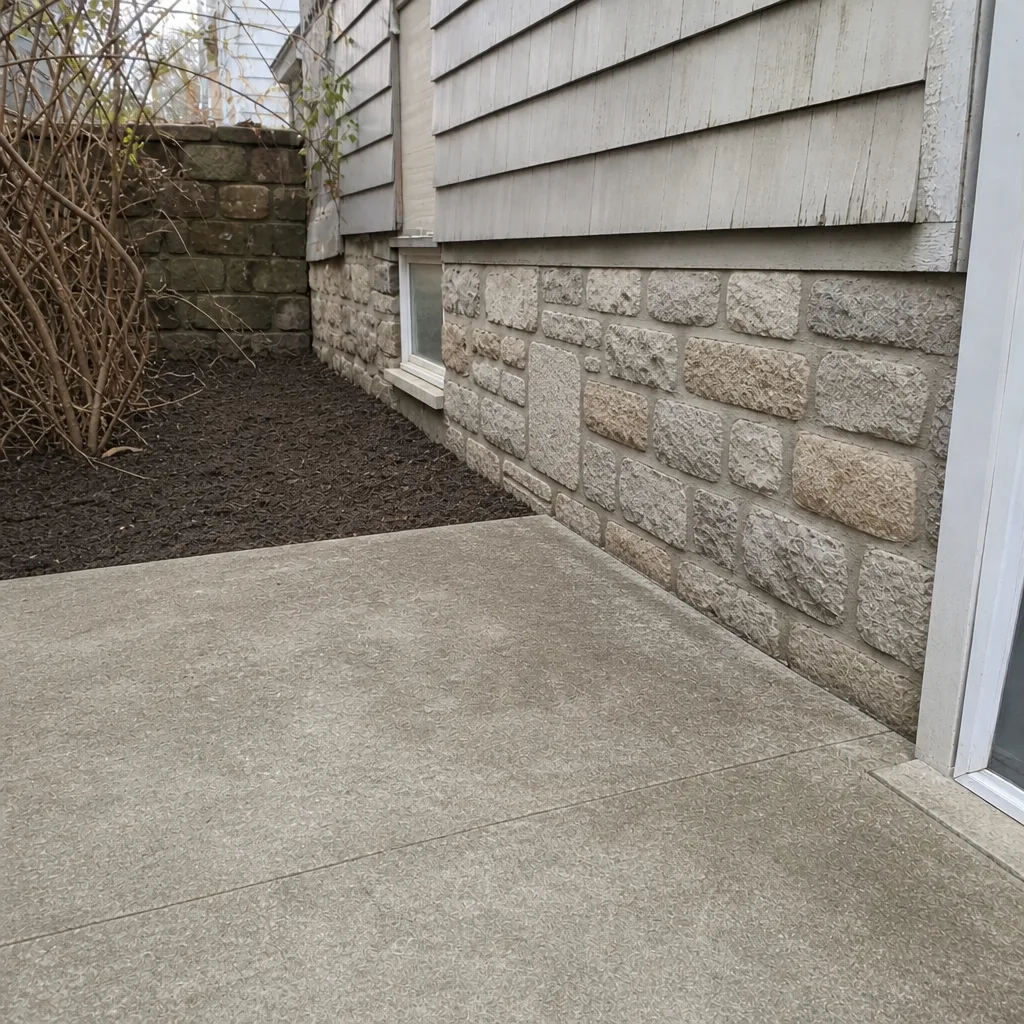 After
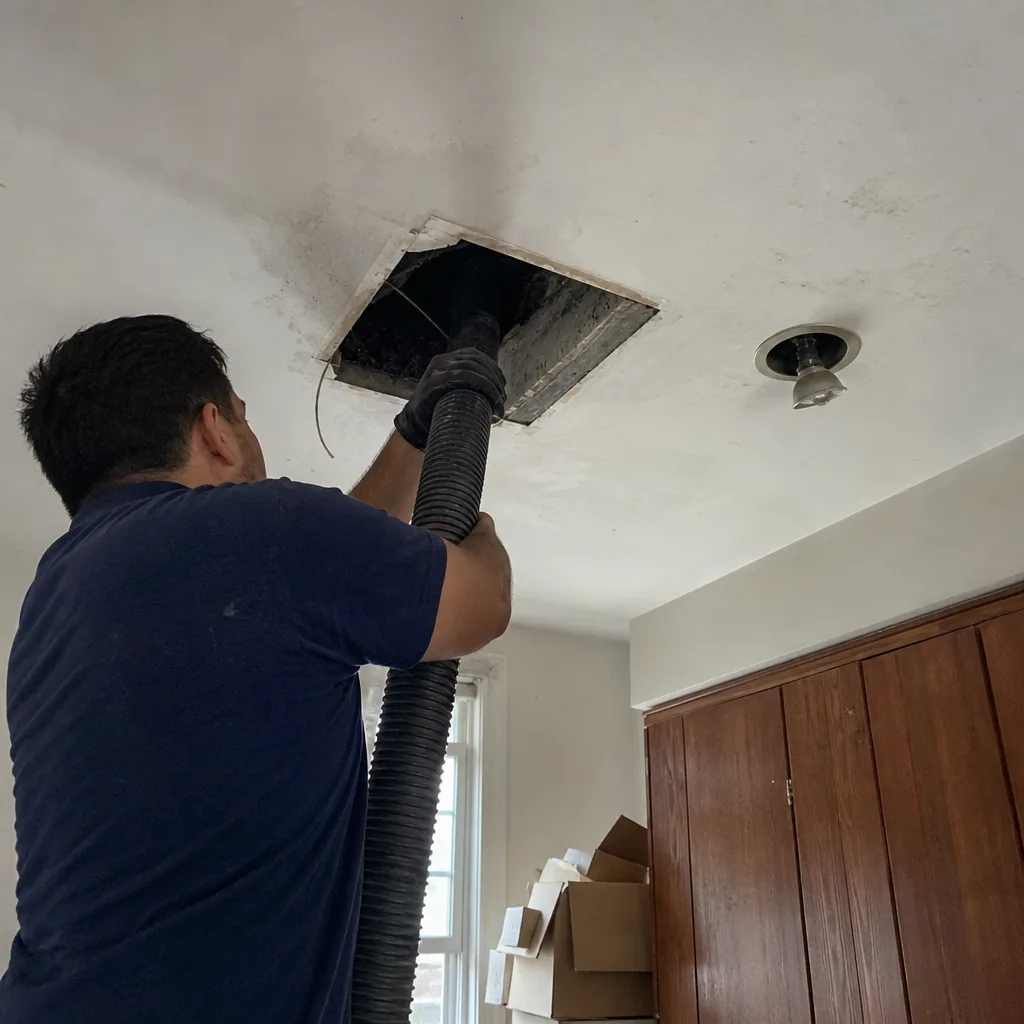 Before
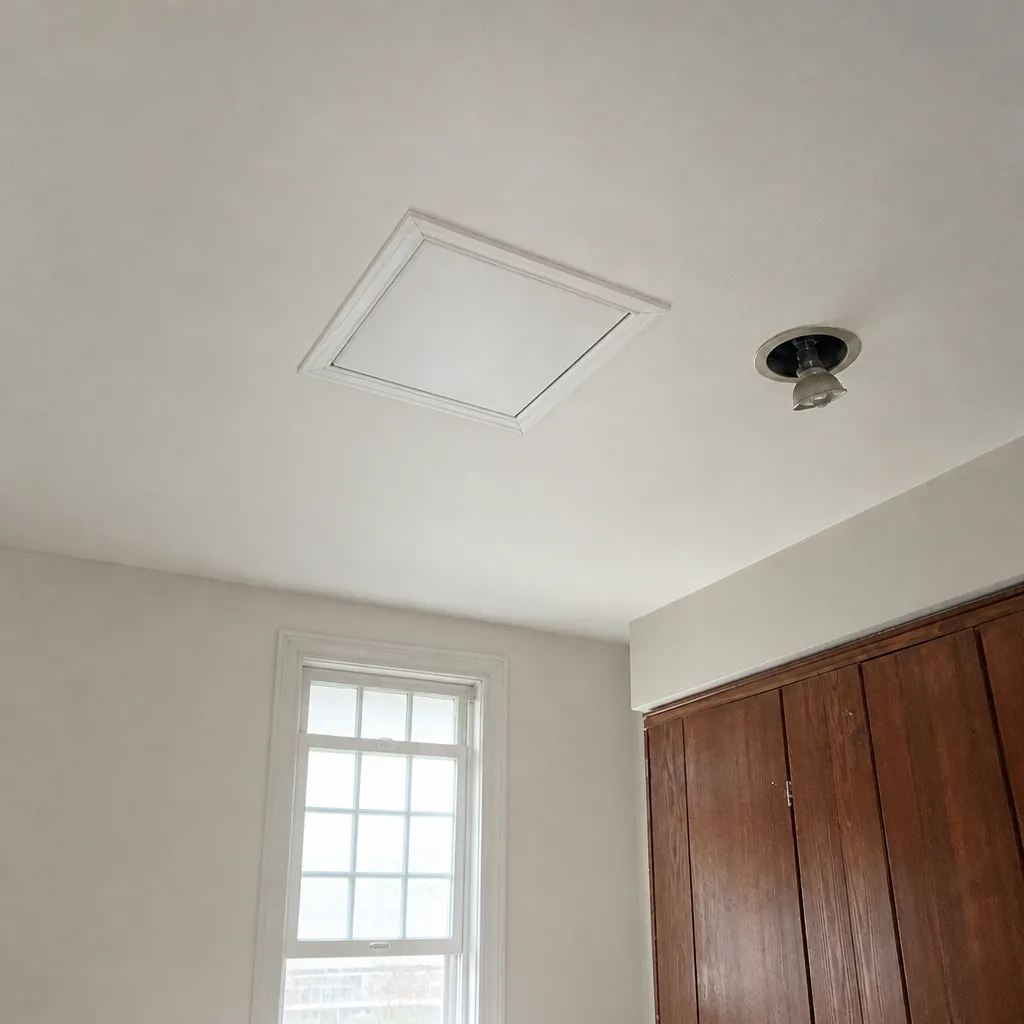 After
When to Call a Professional
Call a professional when the symptoms point to the system, not just the registers. That means persistent musty odors from vents, visible dust blowing from supplies, uneven airflow between rooms, allergy symptoms that flare when the HVAC runs, evidence of rodents or insects in the ductwork, moisture or suspected mold, or a home that has just been through a renovation. It also covers the routine case: it’s been years since the ducts were cleaned and no one has ever looked at the plenum, coil, or blower.
The local professionals we connect homeowners with use professional-grade Rotobrush and Nikro equipment and cover air duct cleaning, dryer vent cleaning, HVAC cleaning, duct repair and sealing, and sanitizing as one service scope, so the whole air pathway is handled in one project. Forest Hills Air Duct Cleaning offers free estimates in Forest Hills. Call (844) 274-2194. We answer 24/7. Fast dispatch from 7am to 7pm, Sunday through Friday.
Frequently Asked Questions
DIY is worth it for register cleaning, accessible surface debris, and dryer vent lint, but it can’t perform source removal because no consumer tool provides the negative pressure required to capture debris at the point of agitation. It’s maintenance, not system cleaning. Call (844) 274-2194 for a free estimate on a full-system job and a straight comparison.
No. A shop vac doesn’t have the capacity to hold a duct network under negative pressure while the ducts are agitated, so loosened contamination can resettle or drift into the living space. Source removal requires professional equipment from manufacturers like Rotobrush and Nikro. Call (844) 274-2194 to ask what a proper job involves in your home.
Musty odors from vents, dust blowing from registers, uneven airflow between rooms, allergy flare-ups when the HVAC runs, rodent or insect evidence, and moisture or visible mold are the main signals. Recent renovation or a long gap since cleaning also count. Forest Hills homes with forced hot air and years of undisturbed ductwork typically need a full inspection. Call (844) 274-2194 for a free estimate.
Most homes need cleaning every three to five years, or sooner with pets, allergies, renovation, or moisture issues. Homes with a recent professional cleaning and no symptoms can stretch longer with regular register maintenance. If it’s been over five years and no one has inspected the system, it’s time for a look. Call (844) 274-2194 for an estimate.
Low quotes usually mean per-vent pricing that grows on site, or a surface job that skips the plenum, coil, and blower. One flat price per system, agreed before work starts, with before-and-after photos, is what a fair quote looks like. Call (844) 274-2194 for an exact quote that reflects the full scope.
Ask for before-and-after photos of your own ducts, not stock images, and ask what equipment was used and which components were cleaned. A provider who cleans the plenum, coil, and blower will show and tell you. Call (844) 274-2194 to book an estimate with the team that services the whole system.
The Bottom Line
The DIY versus professional question isn’t about skill. It’s about negative pressure, and that’s an equipment constraint no amount of care closes. DIY covers registers, accessible surface debris, and dryer vent lint, and it’s a reasonable interim measure on a clean system or when cost is a barrier. It can’t reach the return plenum, blower wheel, coil, or branch runs, and agitating those areas without capture can push debris into your living space. If you’re seeing symptoms, suspect mold or vermin, or want the whole air pathway handled, that’s a professional job. At Forest Hills Air Duct Cleaning, the team cleans, seals, and sanitizes the full system, from HVAC unit to vent cover. Call (844) 274-2194 for a free estimate. We answer 24/7. Fast dispatch from 7am to 7pm, Sunday through Friday.
Written by the team at Forest Hills Air Duct Cleaning.