
Last updated November 22, 2026
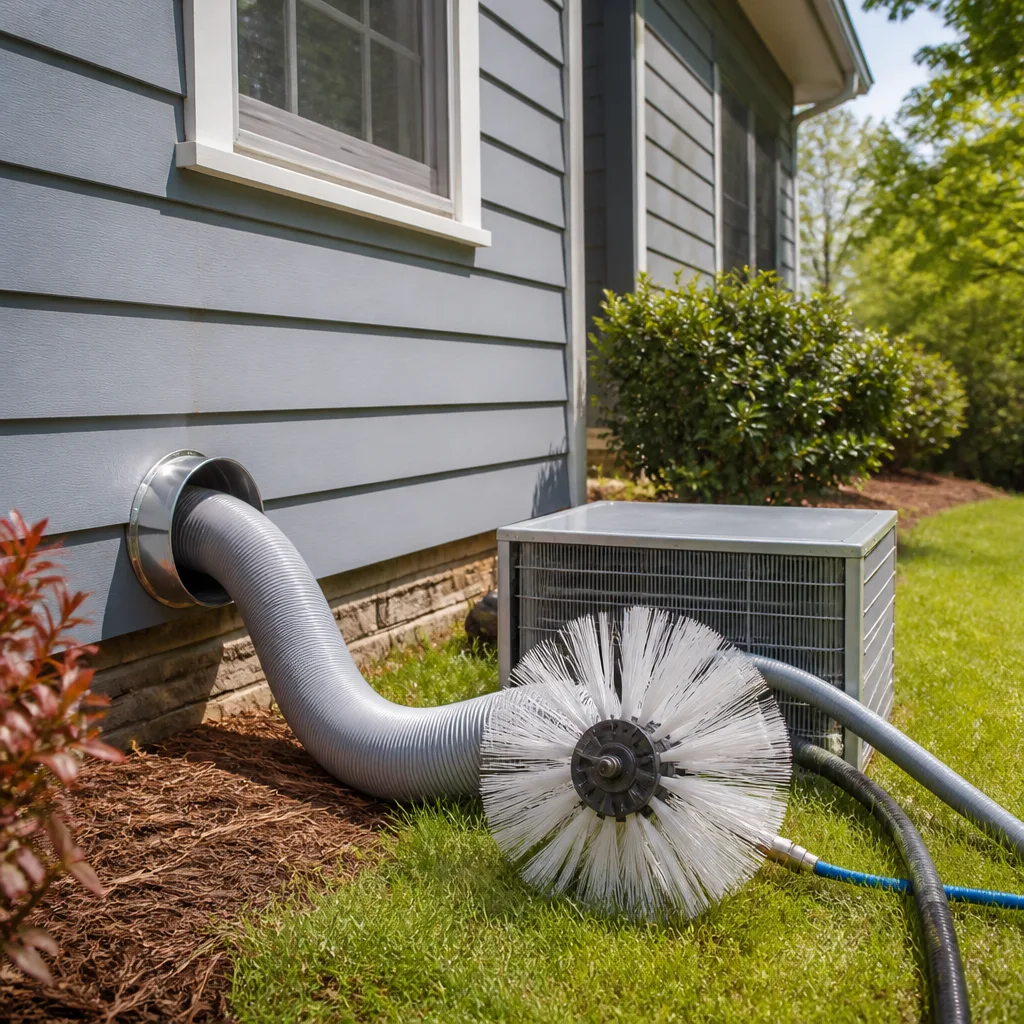 Whole-home duct cleaning
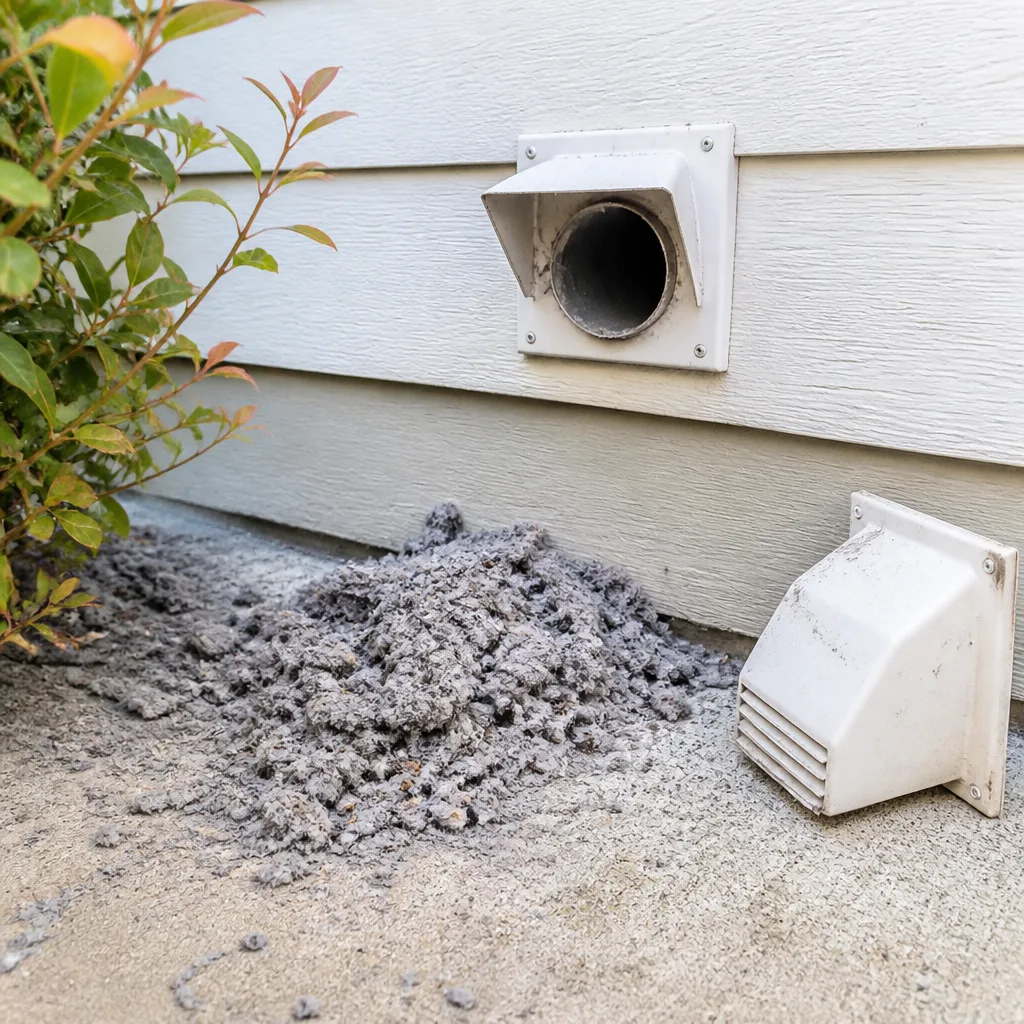 Dryer vent cleaning
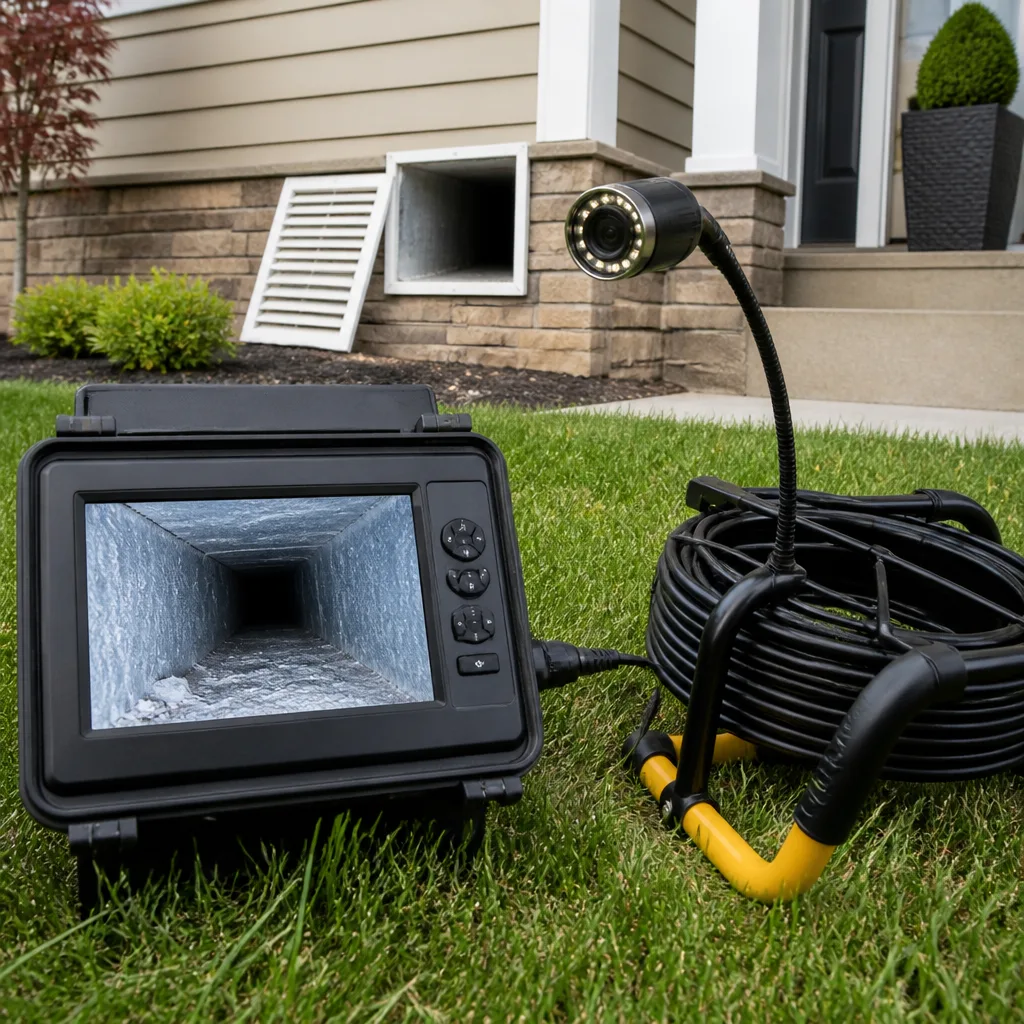 Camera inspection
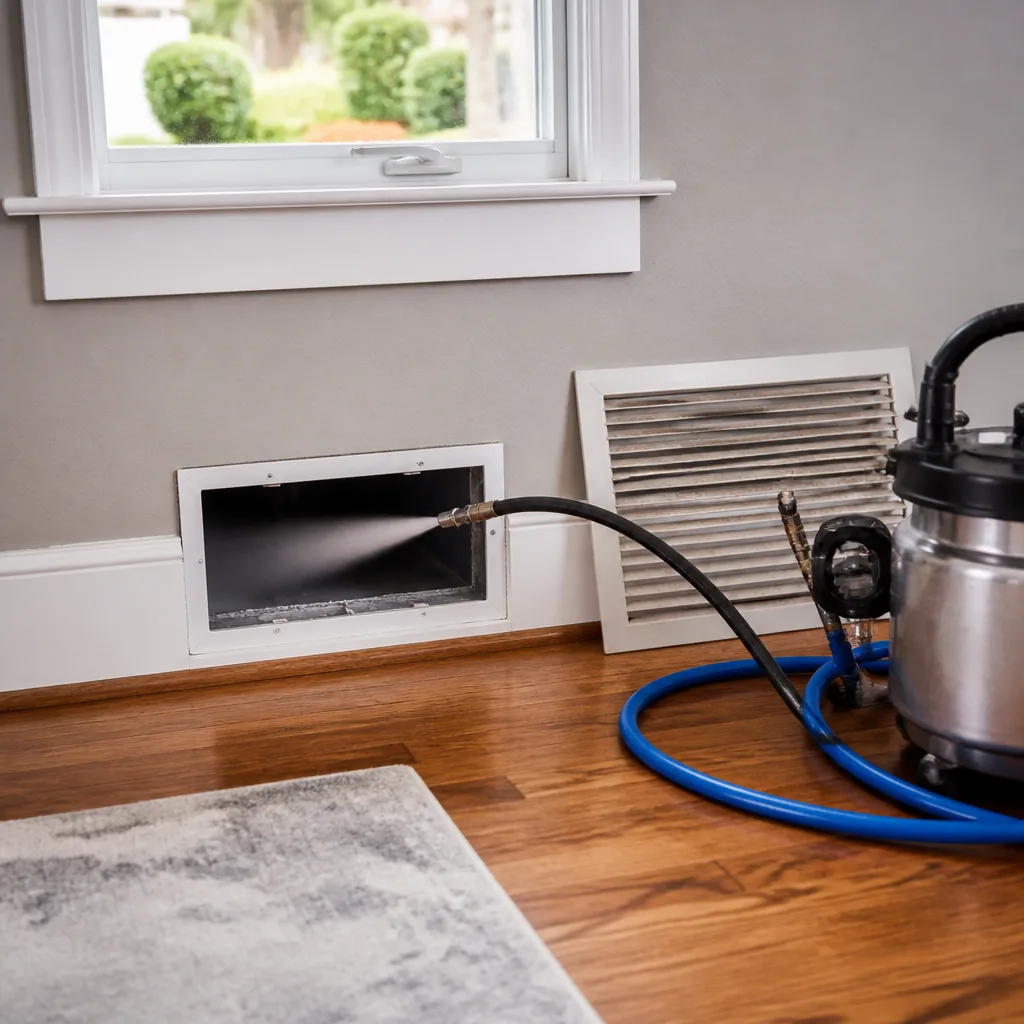 Sanitizing & deodorizing
Whole-system duct and dryer vent check with before-and-after photos - you see exactly what came out of your vents
That "$99 whole-house special" is a bait ad - the real number appears once they are in your hallway, or the "clean" is a shop-vac at the register. We photograph the inside of your ducts before and after instead.
Seasonal Air Duct Cleaning Care for Forest Hills: Year-Round Homeowner’s Guide
Most homeowners think about duct cleaning once a year, usually in a panic after noticing a smell or a dust film on the furniture. That approach misses the point. The reason your air quality feels worst in February has nothing to do with what happened last February and everything to do with what your system pulled in between October and January. Forest Hills sits in a climate zone with four genuinely different air quality stressors, and each one hits your ducts in a different way. Spring pollen, summer humidity, fall furnace startup, and winter closed-window concentration all leave their own signature inside the system. This guide maps specific maintenance actions to each season, so you know what to check, when to check it, and what actually needs doing.
Quick Answer
The most useful thing a Forest Hills homeowner can do is clean and seal the duct system before each seasonal stressor arrives, not after. In practice that means a pre-spring filter upgrade, a summer moisture check on basement and crawl space duct runs, a pre-heat startup inspection in early fall, and a winter look at ventilation and particulate buildup. A full professional cleaning once a year, timed to early fall, handles the accumulated load from all four seasons.
Styles & brands we work with
- Whole-home duct cleaning
- Dryer vent cleaning
- Camera inspection
- Sanitizing & deodorizing
Table of Contents
- Why Seasonal Care Beats an Annual Cleaning
- Spring in Forest Hills: Pollen Loading and Filter Timing
- Summer: Humidity, Condensation, and Mold Risk in Basements
- Fall: The Furnace Startup Checklist
- Winter: Closed Windows and Concentrated Air
- The Forest Hills Seasonal Action Calendar
- Duct Repair and Sealing: The Seasonal Fix Cleaning Can’t Make
- How to Tell Your Ducts Need Attention Right Now
Why Seasonal Care Beats an Annual Cleaning
A duct system is not a static container. It’s a moving air pathway that pulls in whatever the outside environment is carrying, filters some of it, and deposits the rest along the interior walls of the supply and return runs. Because the outside environment changes month to month, the load inside your ducts changes too. A system that was clean in September is carrying a very different mix of material by February.
In Forest Hills, that mix shifts sharply. The neighborhood’s mature street trees put out a heavy pollen load in spring. The older housing stock, much of it with basements and some with crawl spaces, holds moisture through the humid summer. Fall brings the first furnace firing after months of sitting idle. Winter seals the house up and concentrates everything that’s already inside.
Treating this as a single yearly event means you’re always cleaning up after the last stressor instead of preparing for the next one. Seasonal care flips that order. You act before the load arrives, which keeps the system from compounding problems across the year.
There’s a second reason seasonal thinking matters: it tells you which part of the system to look at. Spring is mostly about filtration. Summer is about moisture and insulation. Fall is about the heat exchanger and combustion side. Winter is about ventilation and particulate concentration. Each season points you toward a different component, and that’s what we build every service call around. From the HVAC unit to the vent cover, we service the entire air pathway, and knowing what season you’re in tells us where to focus first.
Spring in Forest Hills: Pollen Loading and Filter Timing
Queens tree pollen season runs roughly mid-April through June, and it loads return air filters faster than any other period of the year. That’s the single most important thing to understand about spring in Forest Hills. The trees are dense, the pollen is fine, and it travels straight into the return grilles of every home with a forced-air system. If you wait until after pollen season to change the filter, you’ve spent six weeks breathing through a clogged one.
Upgrade the filter before the season, not after
The useful move is a pre-season MERV filter upgrade, done in late March or early April before the pollen arrives. A higher MERV rating captures more of the fine particles that a basic filter lets through. But there’s a tradeoff. A filter with a higher rating restricts airflow more, and on an older blower, too much restriction can strain the motor and cut efficiency.
That’s why the upgrade should be sized to your equipment, not picked off a shelf at random. We work with Honeywell filtration products because the ratings and pressure drops are published and predictable, and we can match the filter to what the blower can actually handle. A pre-season upgrade that fits the system does more for spring air quality than a post-season cleaning ever will.
What spring looks like inside the system
- Return grilles coated in fine yellow-green dust within a few weeks of the season starting.
- Filters that load up in half the time they do in winter.
- Supply registers that start throwing visible dust when the fan kicks on.
- Allergy symptoms that flare in the house even when the windows are shut.
If you’re seeing those signs, the filter is doing its job and the ducts are holding what got past it. A cleaning timed for late spring or early summer, after the pollen settles, clears out that accumulated load before the humidity arrives.
For the full picture on what a professional cleaning involves, see our air duct cleaning service page.
Summer: Humidity, Condensation, and Mold Risk in Basements
July and August in Forest Hills bring the specific risk of condensation on uninsulated duct runs in basements and crawl spaces. Cold supply air moving through a duct in a warm, humid basement drops below the dew point on the outside of the metal. Water beads on the surface. That’s the condition that starts biological growth, and it’s the one homeowners miss because it’s happening in a space they don’t use.
How to spot early-stage growth
Early-stage growth is easy to catch if you know what to look for, and much harder to deal with once it spreads into the duct interior. Check these signs in July and August:
- Visible condensation or damp spots on the outside of duct runs in the basement or crawl space.
- A musty smell in the basement that gets stronger when the air conditioning runs.
- Dark spotting or discoloration on duct insulation or the surrounding framing.
- Condensate pooling near the air handler or on the floor beneath duct runs.
- Rising humidity readings in the basement even with the AC running.
Any of those means moisture is reaching a surface it shouldn’t. The fix starts with insulating the affected runs and correcting the airflow that’s causing the cold spot. Cleaning alone won’t solve a condensation problem. If you clean a duct that’s sweating and don’t address the insulation, the growth comes back.
Sanitizing after the moisture is controlled
Once the moisture source is handled, sanitizing is the step that treats the duct interior as a surface requiring protection, not just a cavity to be emptied. We use Guardsman-level care standards in the sanitizing step because the point is to leave the duct in a condition that resists recontamination, not just to remove what’s visible. If you’ve had a moisture event in the basement, that sequence matters: fix the moisture, clean, then sanitize.
The same warm-weather window is a good time to handle dryer vent cleaning, since lint buildup in a vent run behaves a lot like duct debris and carries its own risk.
Fall: The Furnace Startup Checklist
The first heat cycle of the season burns off accumulated dust in the heat exchanger, and that’s why your house smells like burning dust the first time you turn the heat on. It’s a normal smell the first time. It’s not normal if it keeps happening, if it smells sharp or acrid, or if it’s accompanied by any visible smoke. The fall startup is the moment to look closely at the combustion side of the system.
Before you turn the heat on for the first time
Run through this checklist in early fall, before the first cold night forces the furnace on in a hurry:
- Change the filter. A filter that sat through summer is carrying a season of dust and pollen.
- Clear the area around the furnace and the return grilles of stored items and dust.
- Look at the heat exchanger area for rust, soot, or discoloration. Don’t open panels you’re not qualified to open.
- Check that supply and return registers are open and unobstructed.
- Confirm the flue and venting are clear if you have a combustion furnace.
- Watch the first heat cycle. Note any smell, sound, or visible issue.
A persistent burning smell after the first cycle, a sharp or acrid odor at any point, or any sign of soot or rust around the heat exchanger is a reason to stop and call a professional. Gas appliances and combustion components are not a do-it-yourself area. Get a qualified technician to inspect them.
Why fall is the best time for a full cleaning
Fall is the smart window for a full professional cleaning because the system has just finished a full year of loading and is about to run hard for months. Cleaning and sanitizing in early fall means the air that circulates all winter is moving through a clean pathway. We integrate Honeywell and Aprilaire filtration and purification products into the service scope for exactly this reason: the cleaning clears the system, and the right filtration setup keeps it clear through the heating season.
Our HVAC cleaning service covers the equipment side, which pairs naturally with a duct cleaning done at the same time.
Winter: Closed Windows and Concentrated Air
Reduced ventilation during closed-window months concentrates indoor particulates, VOCs, and CO2, and duct condition is a direct contributor to that concentration. This is the part of the year when the quality of your duct system matters most, because there’s no fresh air coming in to dilute what’s circulating.
In a sealed-up Forest Hills house, every particle that gets past the filter recirculates for months. Pet dander, cooking particulates, dust from the building envelope, and whatever the ducts are holding all stay in the loop. CO2 from occupied rooms builds up when there’s no air exchange. VOCs from household products and furnishings have nowhere to go.
What winter reveals about your ducts
- Dust settling on surfaces faster than it does in summer.
- Stale or stuffy air in bedrooms and closed-off rooms.
- Increased allergy or asthma symptoms during heating season.
- Uneven heating, with some rooms warm and others cold, which can point to leaks in the duct run.
- A musty or dusty smell that returns when the heat runs.
Those symptoms don’t mean you need to clean in winter. They mean the system is showing you what it accumulated over the year. If the pattern repeats every winter, the underlying issue is the duct condition going into the season, which is why the fall cleaning is the move that changes the winter experience.
What duct condition contributes
Leaky ducts are the quiet contributor. A return-side leak pulls in air from unconditioned spaces, including basements and attics, and that air carries whatever is in those spaces. A supply-side leak dumps conditioned air into the same spaces, which is why uneven heating shows up alongside air quality complaints. Sealing the leaks changes both the comfort picture and the air quality picture. Clean ducts are only part of the solution. Sealed, intact ducts are the other.
The Forest Hills Seasonal Action Calendar
Forest Hills sits in ASHRAE climate zone 4A, mixed-humid. That designation is the reason the seasonal pattern here looks the way it does: real summers with meaningful humidity, real winters with a hard heating season, and shoulders where the system switches modes. This calendar is built for that zone, and you can use it without re-reading the rest of the guide.
Spring (late March through June)
- Late March: Install a pre-season MERV filter sized to your blower.
- April through June: Change the filter on an accelerated schedule. Pollen season runs mid-April through June.
- Late spring: Book a cleaning after the pollen settles, if you’re on a fall-plus-spring schedule.
Summer (July through August)
- July: Inspect basement and crawl space duct runs for condensation and damp spots.
- Mid-summer: Check insulation on any run that’s sweating. Address it before growth starts.
- August: Sanitize any duct that had a moisture event, after the moisture source is fixed.
- Any summer month: Clean the dryer vent if it hasn’t been done this year.
Fall (September through November)
- Early fall: Run the furnace startup checklist before the first heat cycle.
- Early to mid fall: Book the annual full cleaning and sanitizing.
- Before heating season: Have any duct leaks identified and sealed.
Winter (December through February)
- Monthly: Check the filter. Closed-window months load it steadily.
- Ongoing: Watch for dust, stuffiness, and uneven heating as signals of duct condition.
- Plan for spring: Note any issues to address when the weather breaks.
Duct Repair and Sealing: The Seasonal Fix Cleaning Can’t Make
Cleaning removes what’s in the ducts. It doesn’t fix the ducts. A system with leaking joints, disconnected sections, or crushed flex runs will recontaminate itself within a heating season no matter how well it was cleaned. That’s why we offer duct repair and sealing as a service alongside cleaning rather than as an add-on. The seasonal stressors above all hit harder on a leaky system.
A spring pollen load pulls into a leaking return from the basement instead of from the living space. A summer moisture problem gets worse when a supply leak lets humid air into a cold run. A winter comfort complaint gets worse when conditioned air escapes before it reaches the register. Every season amplifies the same underlying defect.
Identifying those leaks and structural issues is part of what we do on a cleaning visit. We use professional-grade Rotobrush and Nikro equipment on every job because the systems are built for the full cleaning job, not just surface dusting. Consumer-grade vacuums and shop vacs don’t move the volume of air or reach the full run. If we find a leak or a damaged section during cleaning, we can address it in the same scope rather than leaving it for another visit.
Sealing changes the seasonal math in a way cleaning alone can’t. It reduces the amount of outside air the system pulls in, which cuts the load from pollen, humidity, and winter particulate concentration all at once. That’s the durable fix, and it’s what makes the seasonal calendar above work better year after year.
How to Tell Your Ducts Need Attention Right Now
You don’t need to wait for a calendar date if the system is telling you something. These are the signs that point to a duct problem worth investigating now, regardless of season:
- A visible dust film on surfaces that returns within days of cleaning.
- Musty or stale odors that appear when the system runs.
- Uneven airflow between rooms that can’t be explained by register settings.
- Rising energy bills without a corresponding change in usage.
- Allergy symptoms that get worse indoors than outdoors.
- Visible condensation, dampness, or discoloration on duct runs.
- A dryer that takes longer than it used to dry a load, which points to a vent issue.
If two or more of those are true, it’s worth having the system looked at. The seasonal guide tells you when to do preventive work. Those signs tell you when the system has moved from preventive to something that needs a diagnosis.
Common Mistakes to Avoid
- Cleaning after the stressor instead of before it. A cleaning in July doesn’t help the pollen season you just went through. Time it to the calendar, not the symptom.
- Skipping the pre-season filter upgrade. Waiting until the filter clogs in May means six weeks of reduced filtration during the heaviest pollen load of the year in Forest Hills.
- Ignoring basement duct condensation in summer. Condensation on an uninsulated run is the earliest sign of a mold risk, and it’s easy to miss in a space you don’t use.
- Cleaning a leaking system without sealing it. A clean duct with a return leak pulls basement or attic air straight back in. Cleaning without repair wastes the cleaning.
- Treating a persistent furnace smell as normal. The first-cycle dust burn is normal. A smell that continues, or any acrid or smoky smell, is not. Stop and call a professional.
- Assuming closed-window months don’t need attention. Winter is when duct condition matters most, because there’s no fresh air to dilute what’s circulating.
- Hiring on price alone for a system-wide job. A one-price-per-system quote with an agreed scope tells you what you’re getting. A low headline number with additions later tells you less.
See the difference
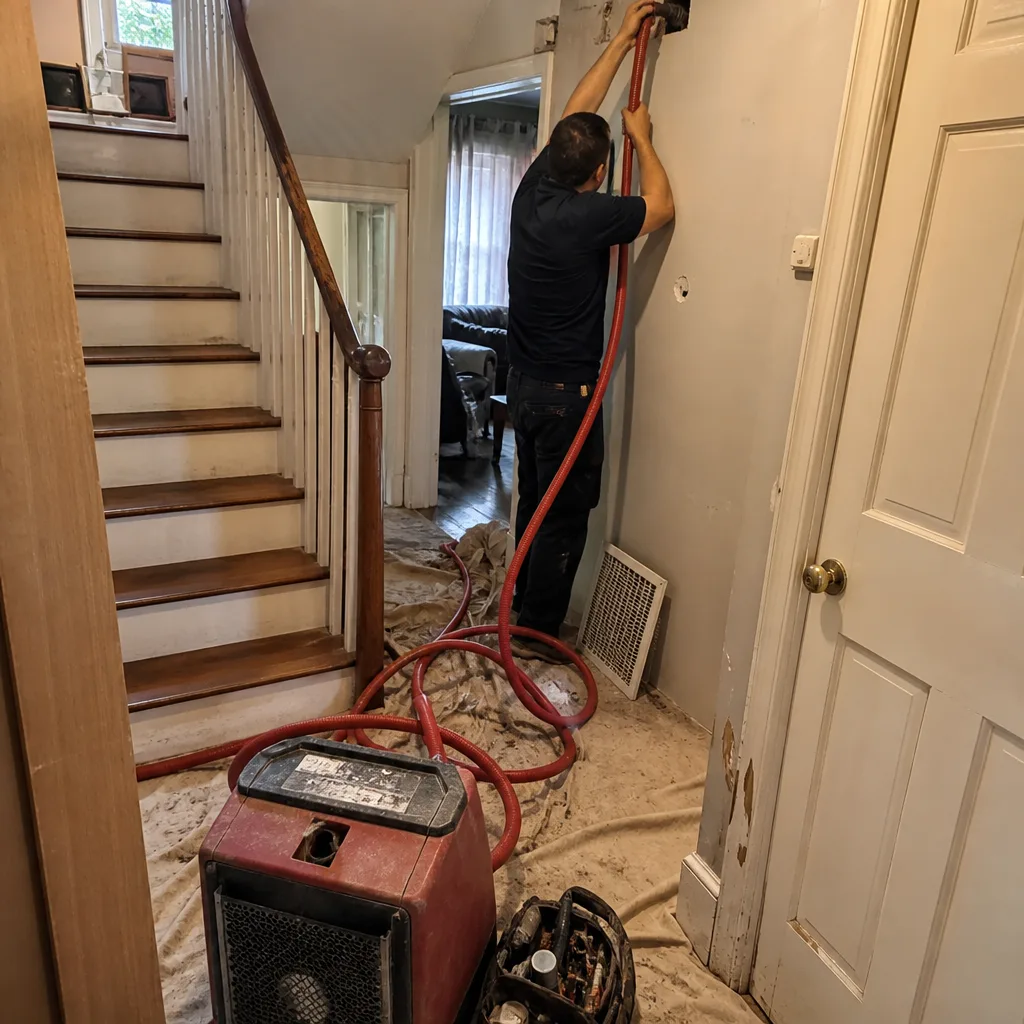 Before
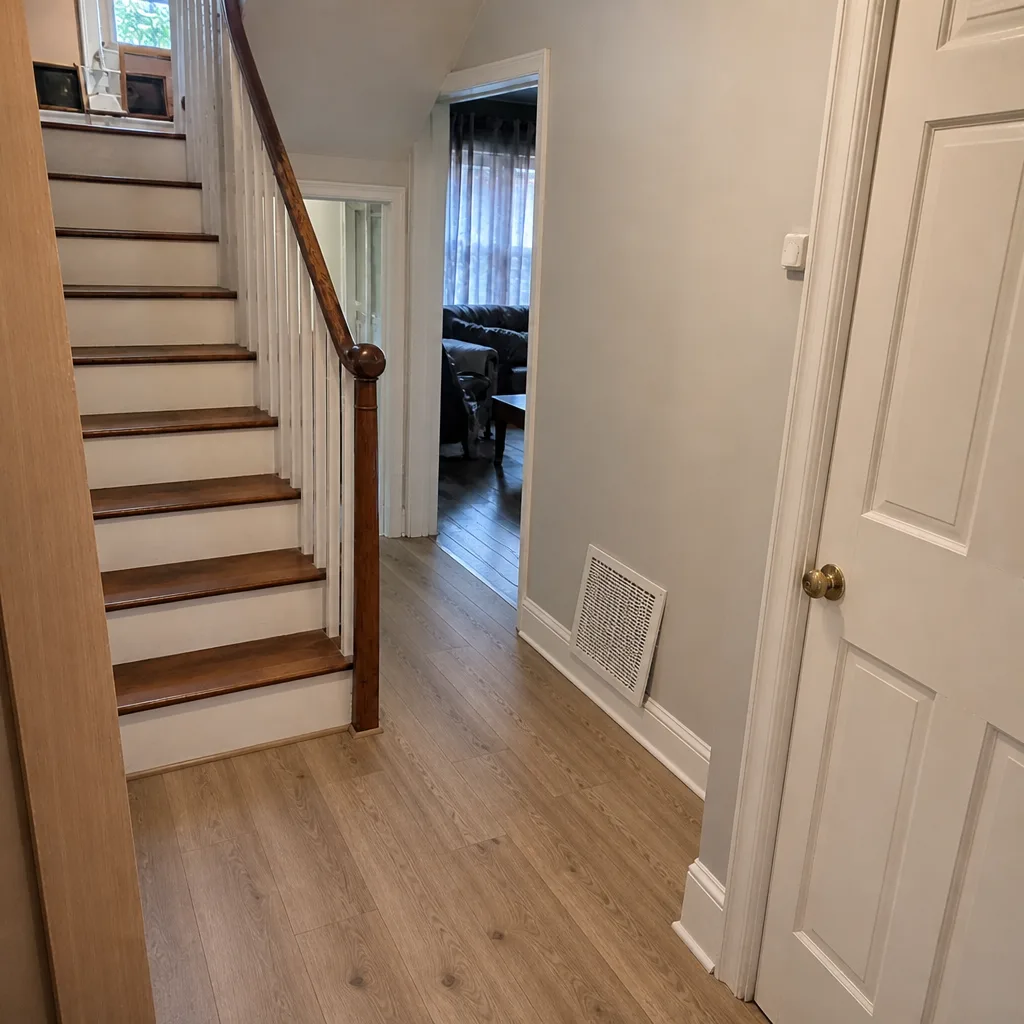 After
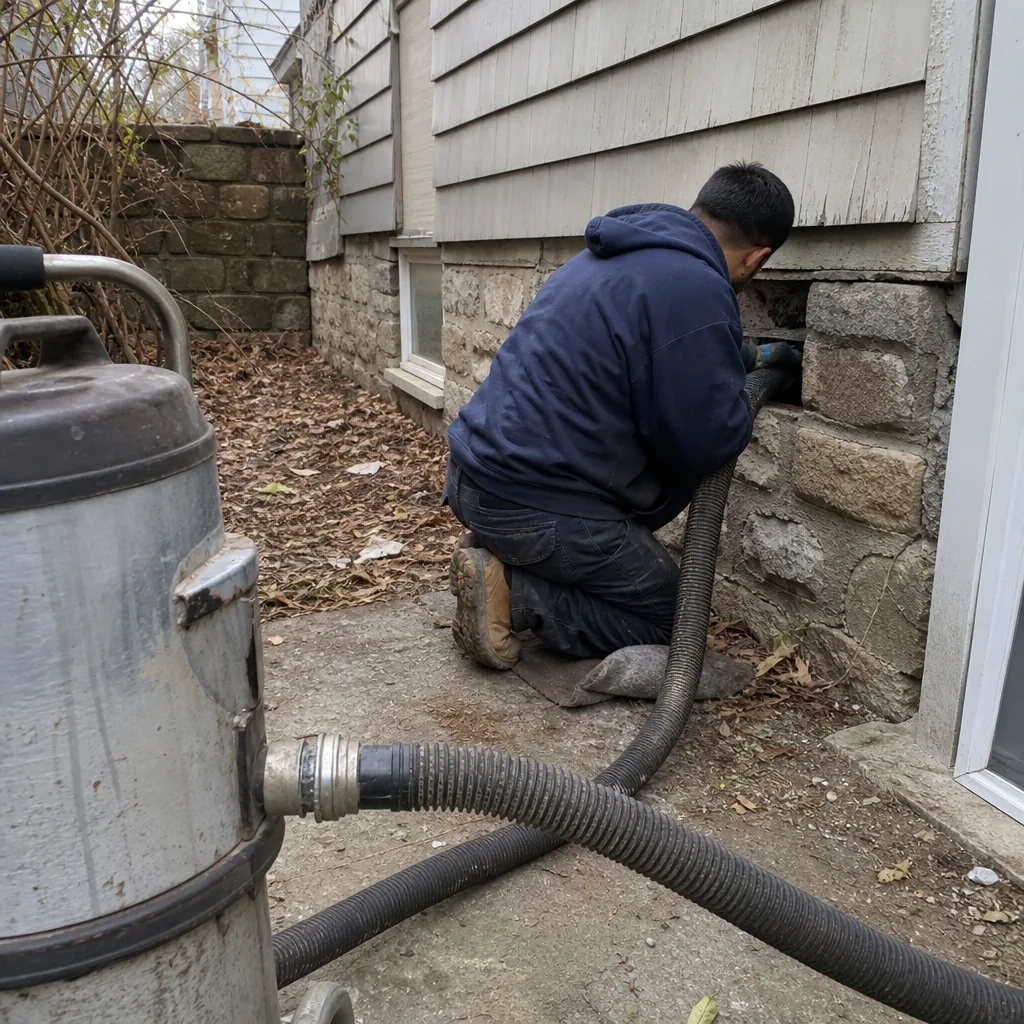 Before
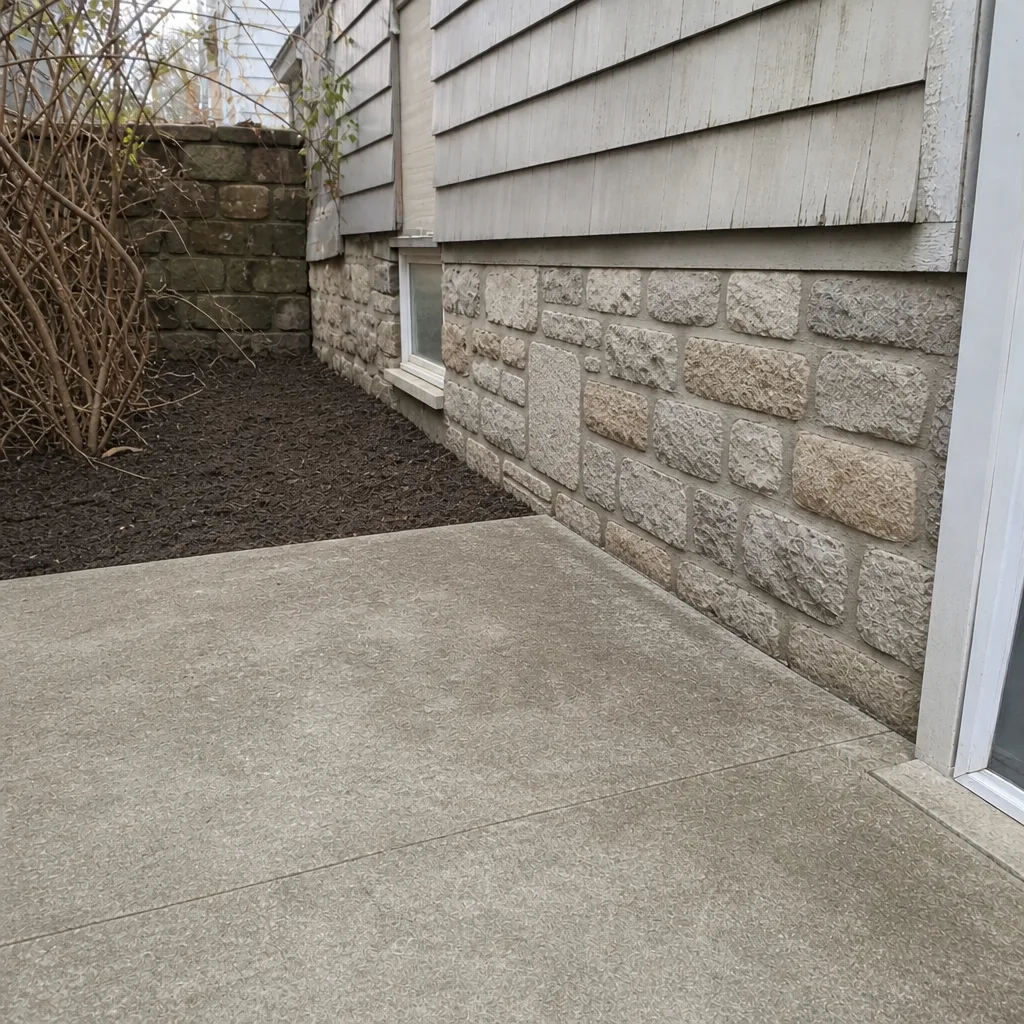 After
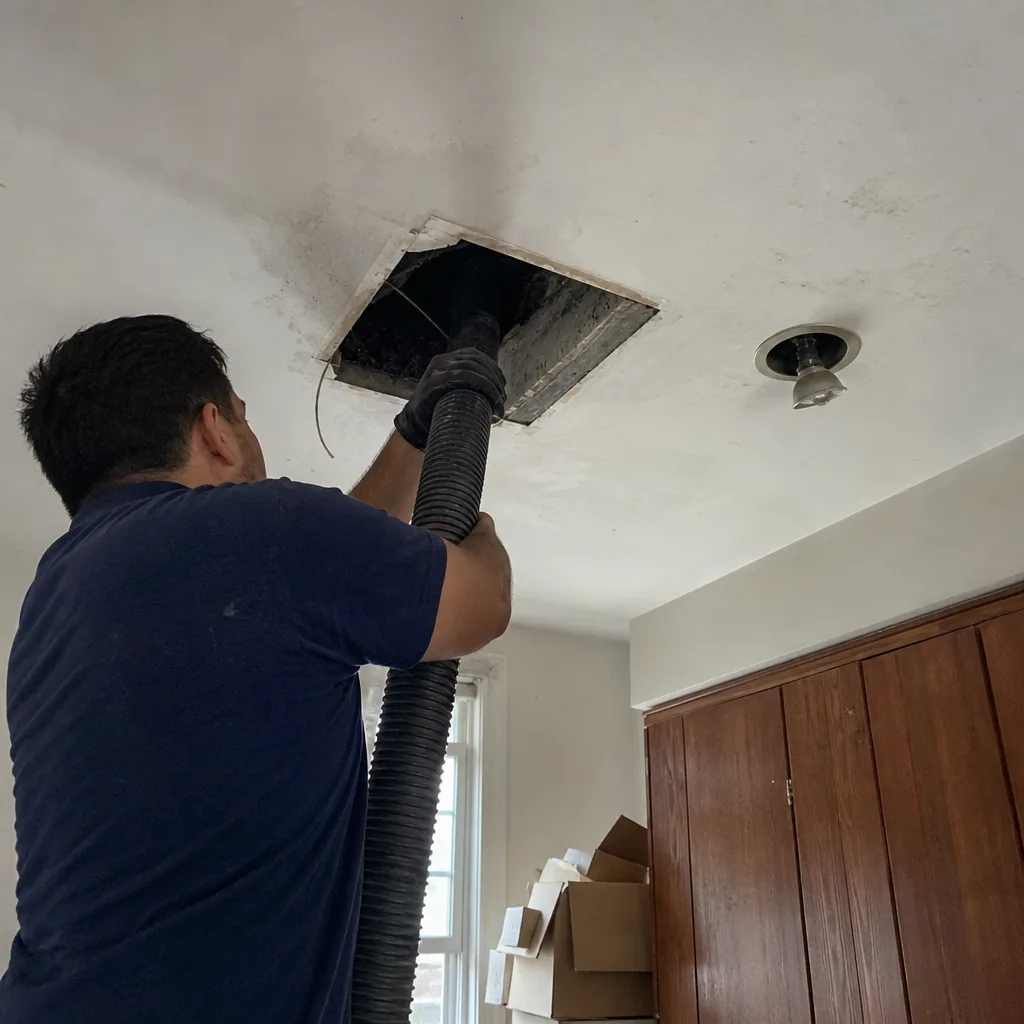 Before
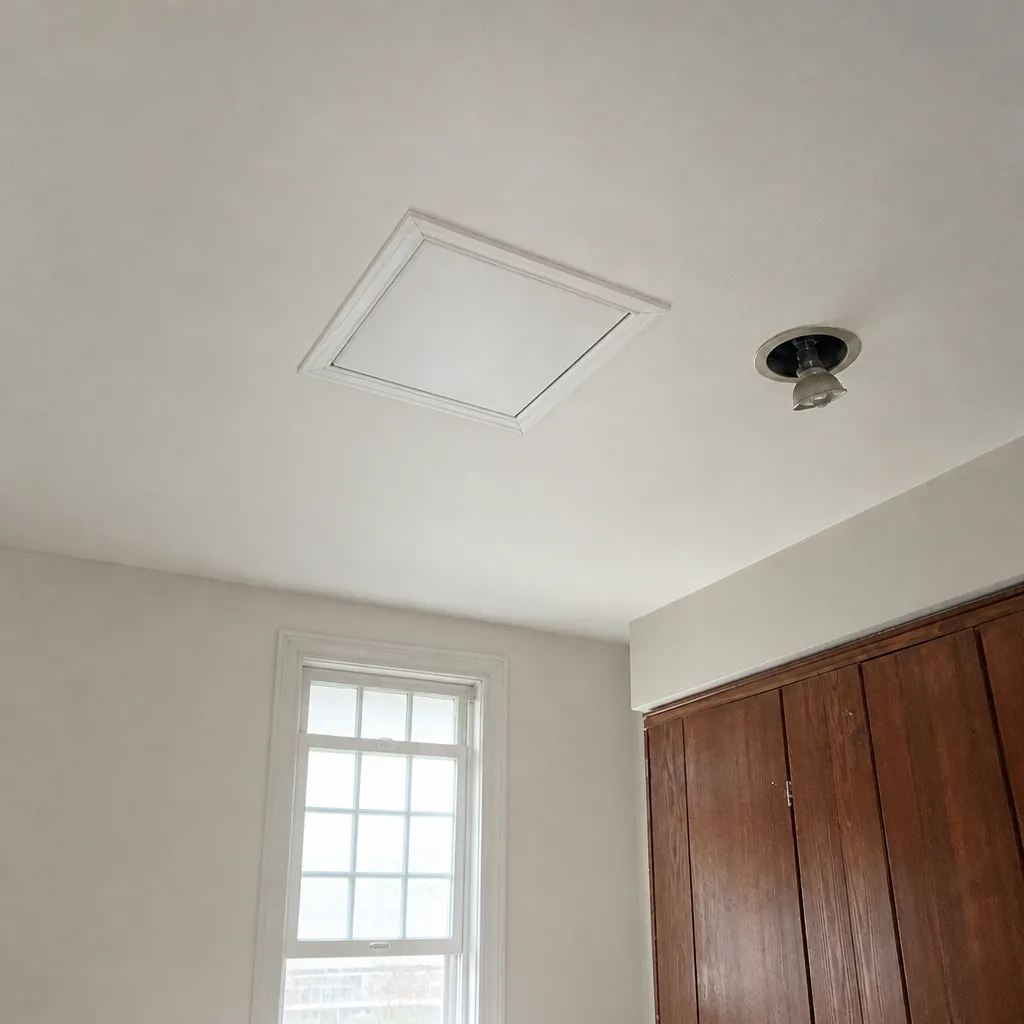 After
When to Call a Professional
Call a professional when a seasonal check turns up something you can’t resolve on your own. Visible condensation or discoloration on duct runs in the basement, a burning smell that persists after the first heat cycle, soot or rust around the heat exchanger, unsealed or disconnected duct sections, or dust that keeps returning after a cleaning are all reasons to bring in a trained technician. Gas and combustion components are never a do-it-yourself area. Get a qualified professional for anything on the heating side.
For everything else, the seasonal calendar above is the plan. If you want a professional assessment of where your system stands right now, Forest Hills Air Duct Cleaning offers free estimates in Forest Hills. Call (844) 274-2194. We answer 24/7. Fast dispatch from 7am to 7pm, Sunday through Friday.
Frequently Asked Questions
Once a year is the typical baseline for a Forest Hills home with a forced-air system, timed to early fall so the system goes into heating season clean. Homes with pets, allergy sufferers, recent renovation dust, or a basement moisture event may benefit from a cleaning after spring pollen season as well. The seasonal calendar in this guide is the practical schedule to follow.
The first heat cycle of the season burns off dust that settled on the heat exchanger over the off months, and that’s the source of the smell. It’s normal for the first cycle. It’s not normal if it continues, if it smells sharp or acrid, or if there’s any visible smoke. A persistent smell is a reason to stop and have the system inspected by a professional.
Early-stage biological growth on duct surfaces is a real risk in Forest Hills summers because of humidity and condensation on uninsulated runs in basements and crawl spaces. The risk climbs when cold supply air meets warm, humid air on an uninsulated duct and water beads on the surface. Catching the condensation early is what prevents the growth from becoming a remediation issue. Sanitizing after the moisture is controlled is the step that treats the duct as a surface that needs protection, not just cleaning.
A pre-season MERV filter upgrade captures more pollen before it reaches the ducts, and it’s worth doing in late March or early April. The key is that the filter has to be sized to your blower. A higher rating on an older blower can restrict airflow and strain the motor. We match filtration products to the equipment so the upgrade helps rather than hurts. A professional can tell you what your blower can handle.
It does, because in closed-window months there’s no fresh air coming in to dilute what’s circulating, and the ducts are part of the recirculation loop. A clean duct reduces the particulate load that recirculates all winter. Sealing leaks matters just as much, because leaky ducts pull in air from basements and attics. Cleaning and sealing together is what changes the winter experience.
No, because the seasonal stressors keep loading the system. Pollen loads it in spring, moisture affects it in summer, furnace startup hits the heat side in fall, and winter concentrates whatever’s inside. Seasonal care means acting before each stressor arrives. Annual cleaning is the baseline, and the seasonal checks are what keep the system stable between cleanings.
The Bottom Line
Seasonal thinking changes what you do and when. Forest Hills experiences four distinct air quality stressors through the year, and each hits the duct system differently. The useful plan is a pre-season filter upgrade in late March, a moisture inspection on basement and crawl space runs in July and August, a furnace startup checklist in early fall, and a full professional cleaning and sanitizing timed to early fall so the system goes into winter clean. Pair that with duct repair and sealing so the system stays clean between cleanings. Cleaning removes what’s inside. Sealing keeps it from coming back.
Whether you need help with the plan, a cleaning, or a look at what the system is holding right now, Forest Hills Air Duct Cleaning is here. Call (844) 274-2194 for a free estimate. We answer 24/7. Fast dispatch from 7am to 7pm, Sunday through Friday. One flat price per system, agreed before work starts, with before-and-after photos of your own ducts. The local pro is licensed and insured as their state requires. Our technicians have up to 13 years of experience and use professional-grade Rotobrush and Nikro equipment on every job. From the HVAC unit to the vent cover, we service the entire air pathway, starting at Forest Hills Air Duct Cleaning.
Written by the team at Forest Hills Air Duct Cleaning.