
Last updated November 22, 2026
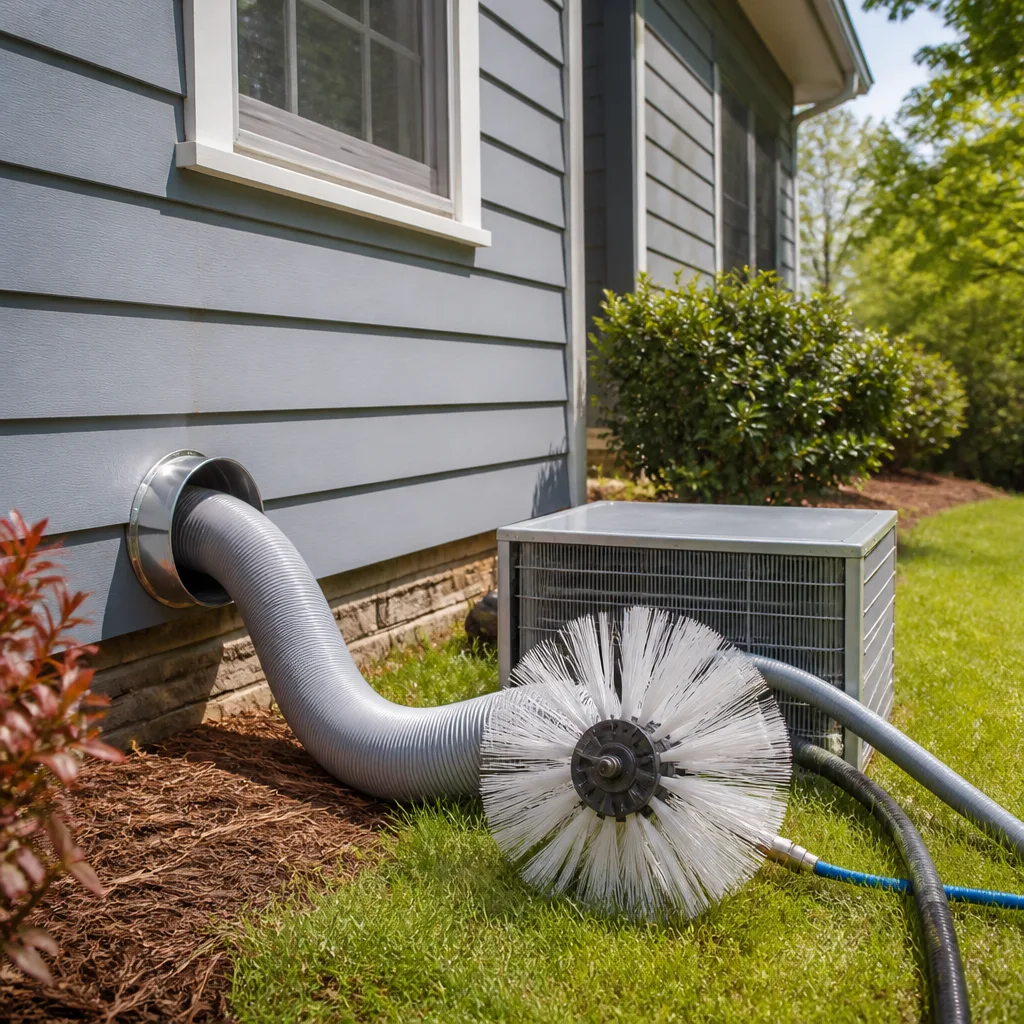 Whole-home duct cleaning
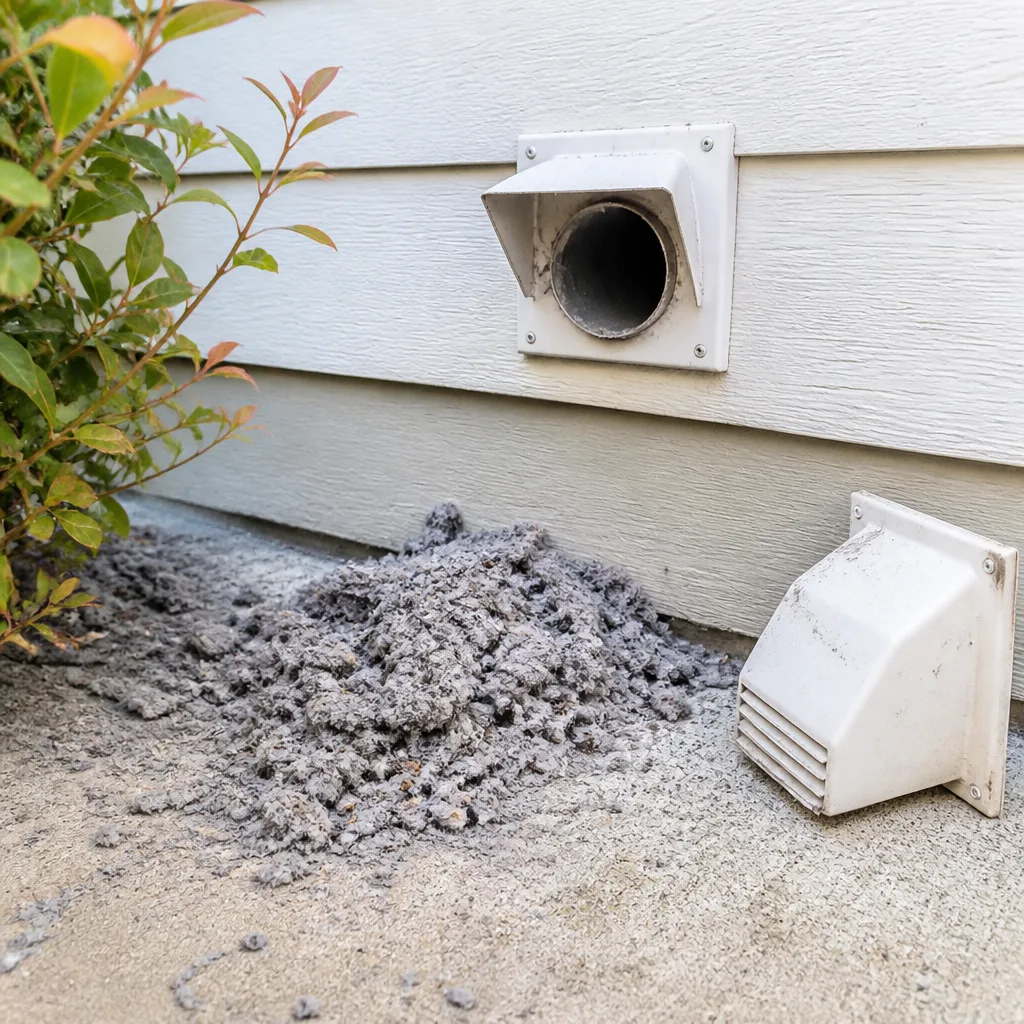 Dryer vent cleaning
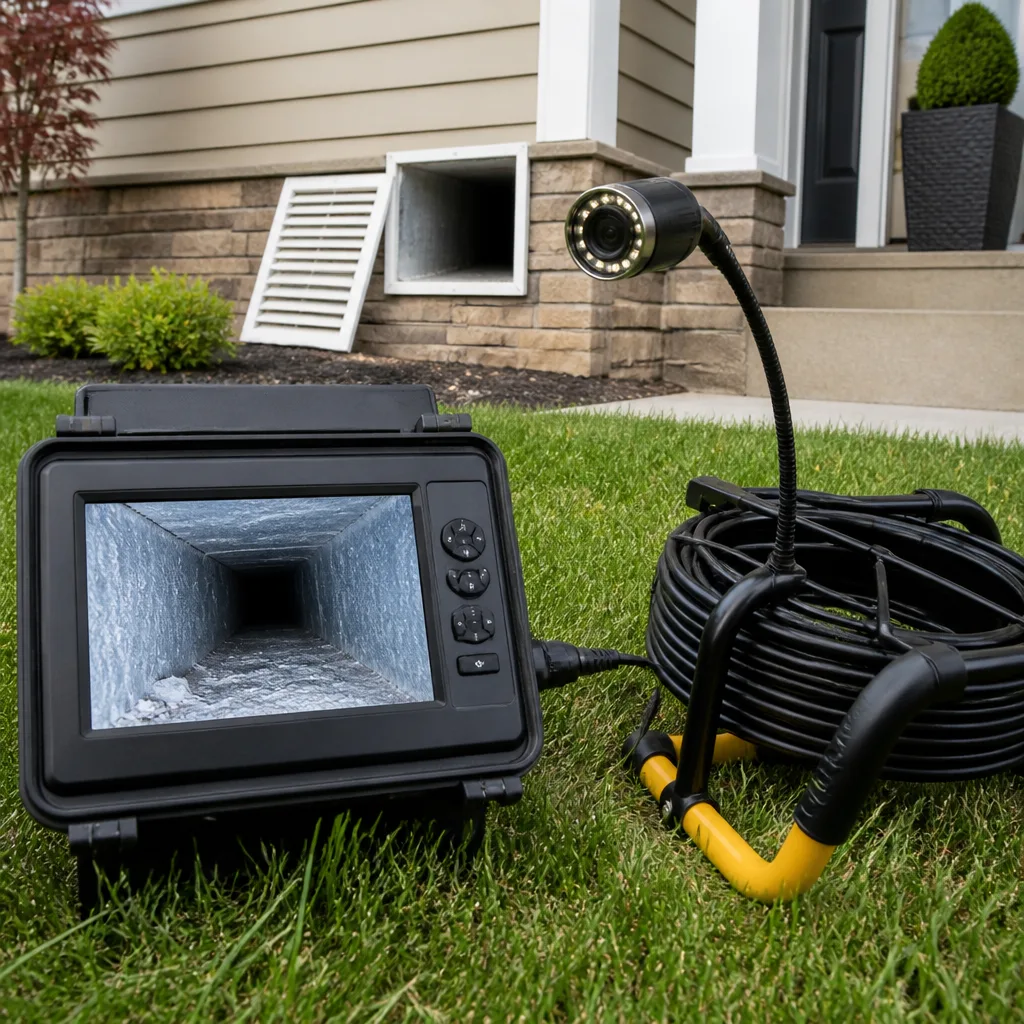 Camera inspection
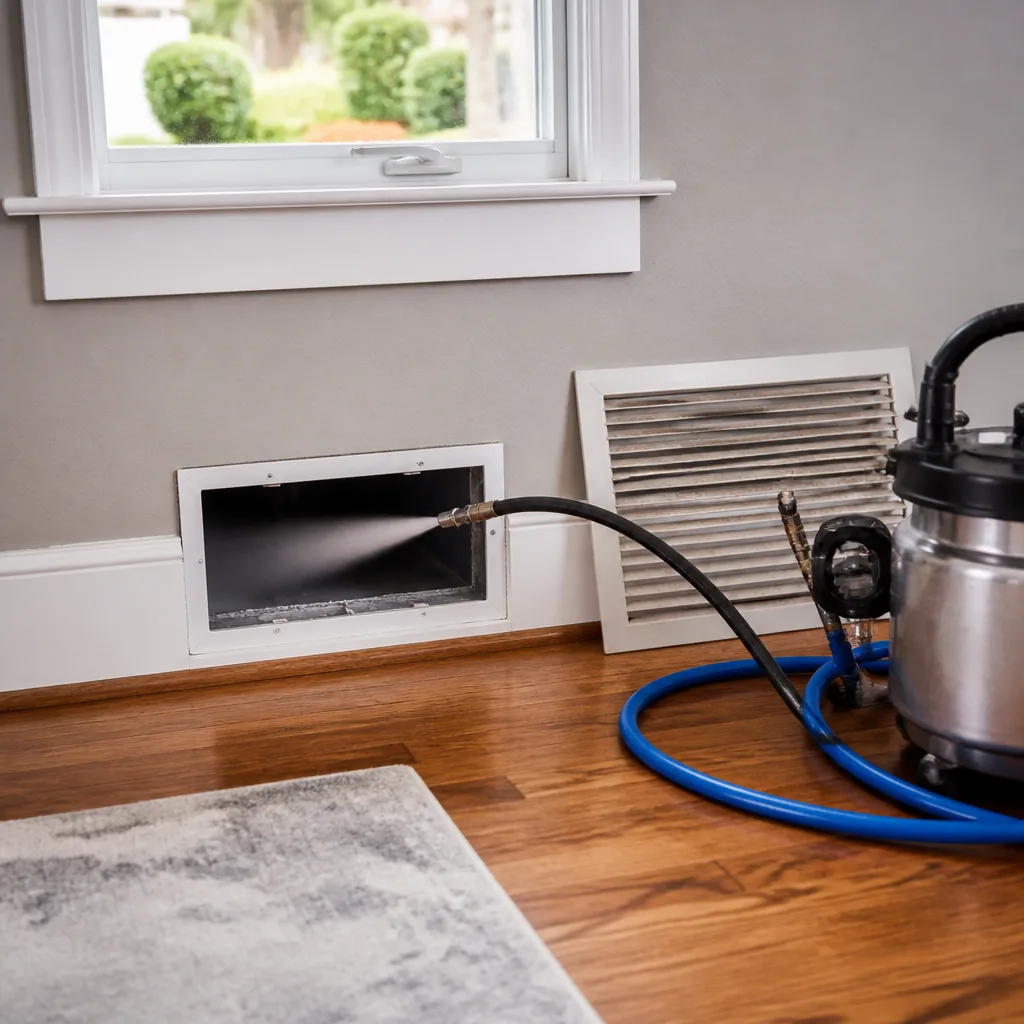 Sanitizing & deodorizing
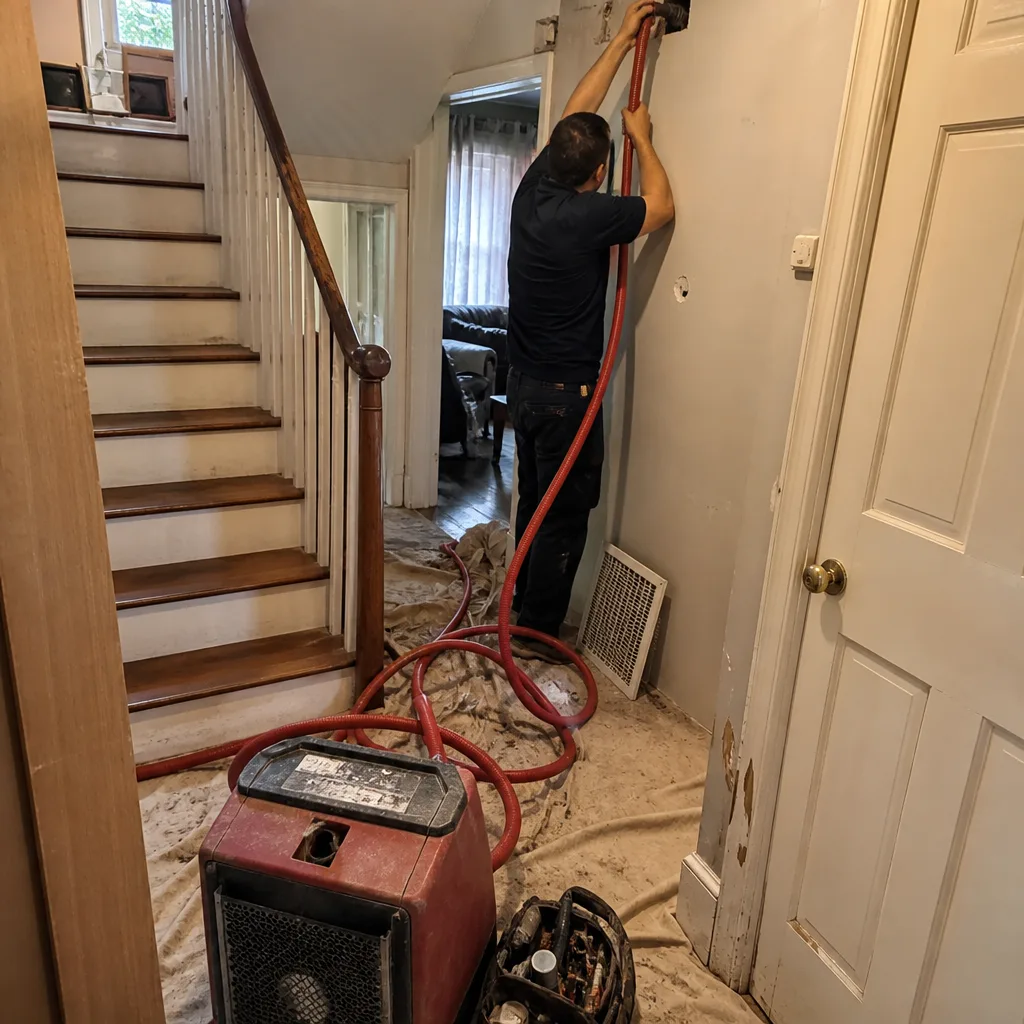
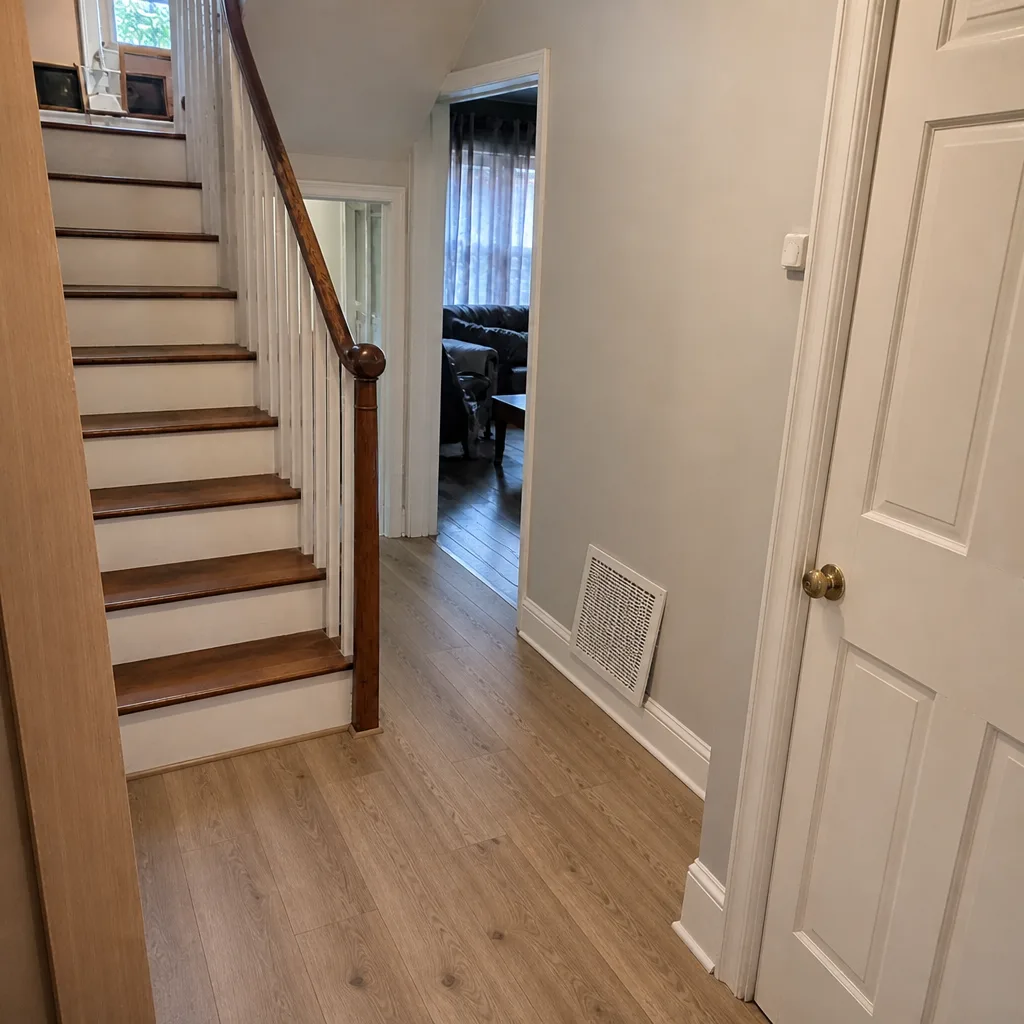
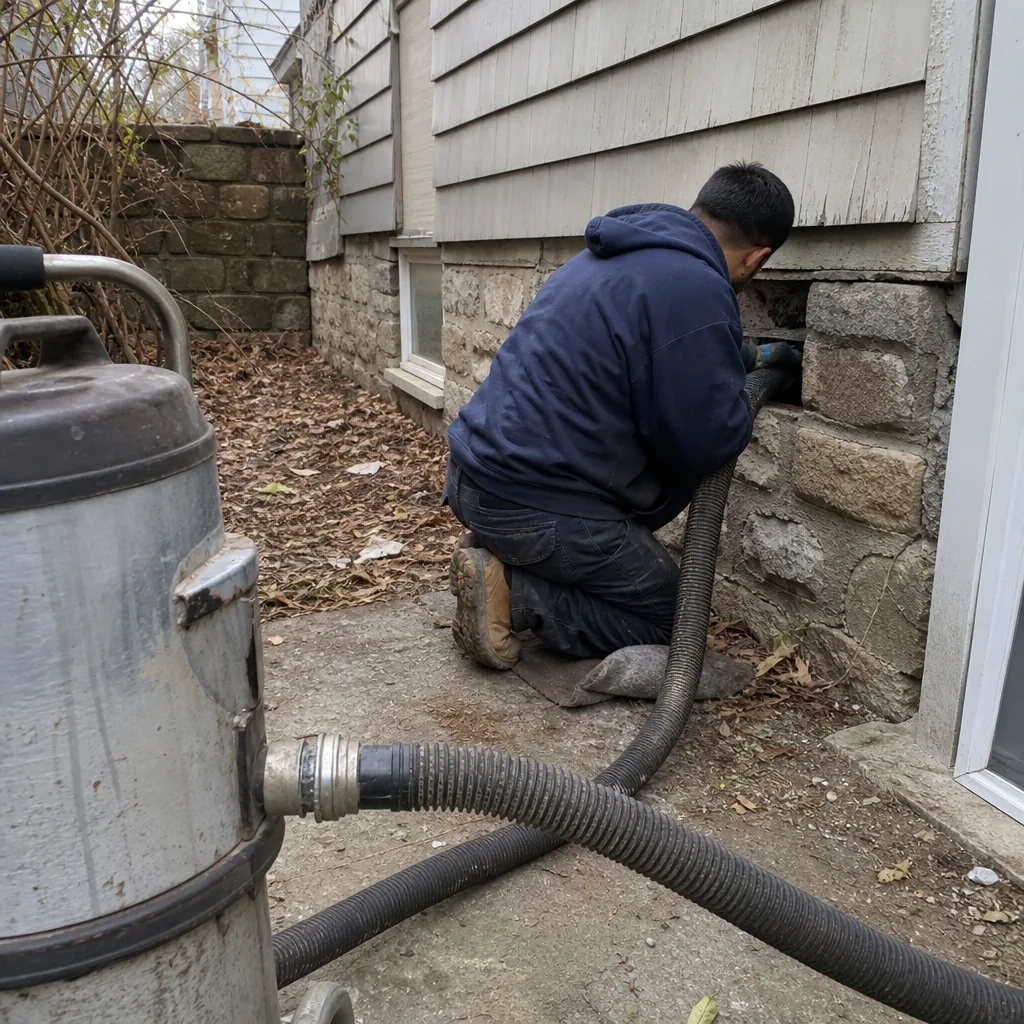
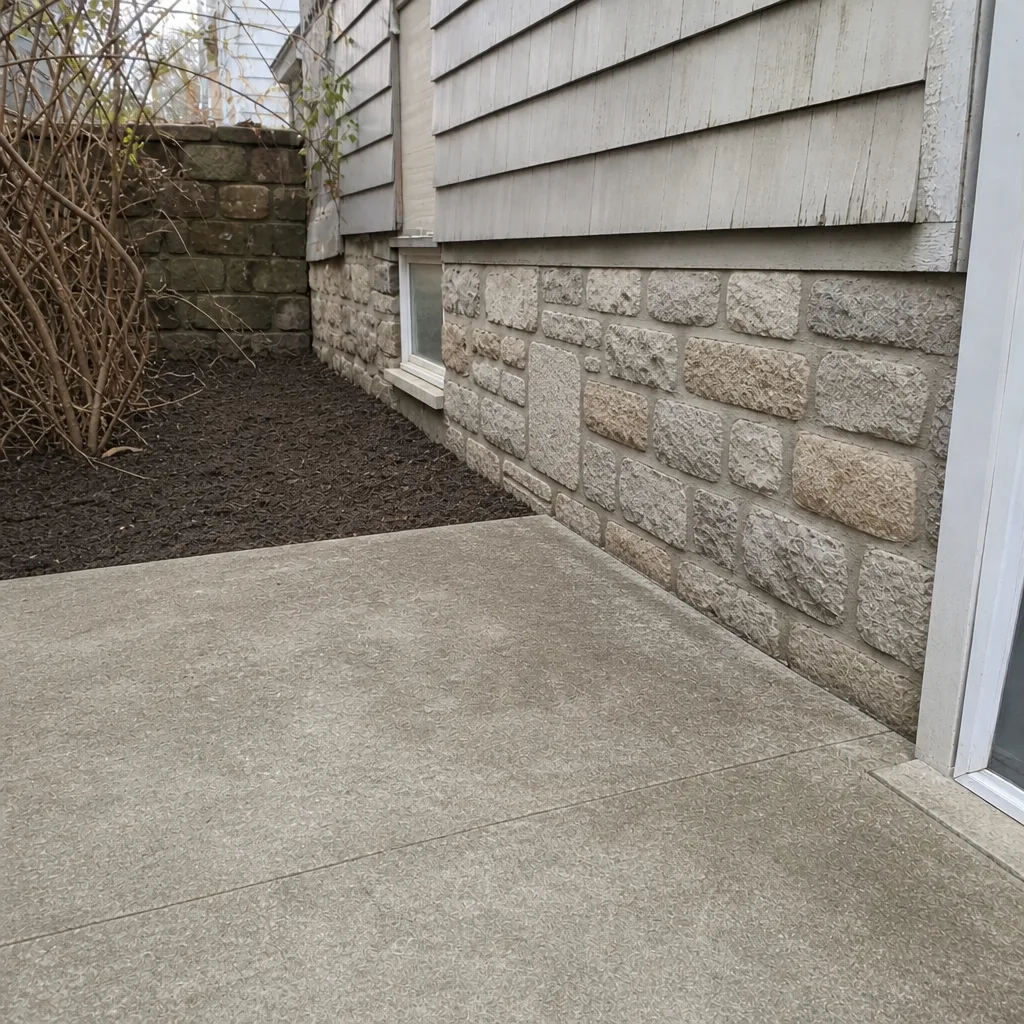
Whole-system duct and dryer vent check with before-and-after photos - you see exactly what came out of your vents
That "$99 whole-house special" is a bait ad - the real number appears once they are in your hallway, or the "clean" is a shop-vac at the register. We photograph the inside of your ducts before and after instead.
Air Duct Cleaning Permits, Codes & Inspections in Forest Hills, NY: What You Need to Know
No permit is required to clean your ducts. That surprises most homeowners who call us, and it’s where the confusion starts. The moment a cleaning reveals a collapsed flex duct run, a disconnected supply plenum, or a return pathway drawing from a crawl space, you’ve crossed out of cleaning and into mechanical work that the NYC Mechanical Code governs. Many duct cleaning contractors aren’t licensed to perform that work. This guide walks through where the line sits in Forest Hills, what a co-op or condo board expects, how to document the job for resale, and what a DOB inspector actually looks at.
Quick Answer
Cleaning your air ducts in Forest Hills does not require a permit. Cleaning is maintenance, not construction, and NYC does not issue permits for it. The work that sometimes follows a cleaning – duct repair, flex duct replacement, sealing openings in the building envelope, or disconnecting and reconnecting equipment – can fall under NYC Administrative Code Title 28 and the NYC Mechanical Code, which is when a licensed professional and possibly a DOB filing come into play. Co-op and condo boards in Forest Hills often require approval of any HVAC-adjacent work regardless of permit status.
Styles & brands we work with
- Whole-home duct cleaning
- Dryer vent cleaning
- Camera inspection
- Sanitizing & deodorizing
Table of Contents
- Cleaning vs. Mechanical Work: Where the Line Is in NYC
- When Duct Work Triggers a Permit or Licensed Contractor
- Co-op and Condo Board Rules for Forest Hills Buildings
- What a NYC DOB Inspector Looks For in a Residential Duct System
- How to Document Cleaning and Repair Work for Resale
- How to Hire a Contractor Who Stays on the Right Side of the Code
- Why Forest Hills Housing Stock Makes This Complicated
- Repair and Sealing: The Work Cleaning Alone Can’t Fix
Cleaning vs. Mechanical Work: Where the Line Is in NYC
Air duct cleaning is not classified as construction work in New York City. There is no DOB permit for it, no filing, no inspection triggered by a cleaning alone. What happens inside the duct system during a cleaning can change that. Cleaning removes debris; it does not alter the mechanical system. Once a technician cuts into a duct, replaces a section of flex, installs a new takeoff, or opens a plenum, the work moves from maintenance into the territory the NYC Mechanical Code covers.
In practice, that line matters most for older homes in Forest Hills where duct systems have settled, been retrofitted, or were installed piecemeal over decades. We’ve seen plenty of systems where the ducts look intact from the vent cover but the trunk line is disconnected in the basement or the flex run has collapsed inside a wall cavity. Cleaning those ducts without addressing the break means blowing debris back into the living space. Repairing the break means someone with the right license needs to be involved.
Here is the plain distinction:
- Cleaning – removal of debris from inside the duct system, registers, grilles, and HVAC components. No permit, no DOB filing.
- Mechanical work – replacing or reconnecting duct sections, changing duct size, installing new runs, modifying the plenum, or penetrating a fire-rated assembly. This falls under the NYC Mechanical Code and may require a licensed contractor.
- Sealing – depends on method. Sealing accessible joints with approved mastic on an existing duct is typically maintenance. Sealing that closes off or alters airflow distribution can be mechanical work.
- Insulation replacement – replacing damaged duct insulation inside a wall or above a ceiling may involve opening and closing building assemblies, which brings its own requirements.
The safe rule for Forest Hills homeowners: ask the contractor to separate cleaning from repair on the estimate. If the answer includes mechanical alterations, ask for the license number of the person performing that portion. The local pro is licensed and insured as their state requires; that’s the baseline. If they can’t produce it, you have your answer.
When Duct Work Triggers a Permit or Licensed Contractor
Not every duct repair requires a permit. Some require only a licensed contractor. Some require both. The trigger depends on what’s being altered, where it sits in the building, and what your co-op or condo will separately demand. The list below reflects how NYC generally treats residential duct work; because the mechanical code is detailed and adopted with local amendments, confirm specifics with the NYC Department of Buildings or a licensed professional before work starts.
Work that generally requires a licensed master plumber or licensed contractor under the NYC Mechanical Code:
- Replacing or installing new duct runs that change the system’s distribution layout.
- Reconnecting a disconnected supply plenum or trunk line.
- Installing a new return air pathway.
- Changing duct sizing or adding a takeoff.
- Modifying the connection between the HVAC unit and the duct system.
- Penetrating a fire-rated floor or ceiling assembly.
Work that falls outside the mechanical code and stays in maintenance territory:
- Cleaning the interior of ducts, plenums, and HVAC components.
- Removing and reinstalling registers and grilles.
- Sanitizing duct surfaces after cleaning.
- Cleaning a dryer vent run.
For Forest Hills homeowners in single-family homes, the practical question usually boils down to whether the duct work changes the system. If it restores the system to its original layout, the permit conversation is often moot. If it changes the layout, expect the DOB and a licensed contractor to enter the picture. For property managers with multiple units, the calculation compounds: a repair in one unit that penetrates a rated assembly involves the building’s fire separation, not just the unit.
Whether your project starts at the equipment or at the vent, the sequence matters: pull the permit before opening the system, not after. Once a duct is cut, the permit window is gone.
Co-op and Condo Board Rules for Forest Hills Buildings
Forest Hills runs on co-ops and condos. From the pre-war buildings along Queens Boulevard to the garden apartment complexes in Forest Hills Gardens and the mid-century inventory off Austin Street, a large share of the housing here sits under a board. Boards care about duct work, and the rules they impose are separate from, and often stricter than, what the DOB requires. A permit-free cleaning can still require board approval.
Typical board requirements for HVAC-adjacent work in Forest Hills buildings:
- Alteration agreement – many boards require a signed alteration agreement before work begins, even for a cleaning. The agreement usually specifies insurance, work hours, and who’s responsible for damage.
- Contractor insurance certificate – the contractor must submit a certificate of insurance naming the building as additional insured before entering the premises.
- Approval of the scope – the board often wants the scope in writing and may require its own engineer to review any duct alteration.
- Work-hour restrictions – noise-producing work is typically confined to weekday daytime hours the board sets. Check with the property manager before scheduling.
- Access to common elements – duct runs in pre-war buildings often pass through shared chases. Any work affecting common elements requires board approval and often the building’s own contractor.
For Forest Hills property managers, the operational rule is straightforward: pull the building’s alteration procedure and read it before you call a duct contractor. The rules in a co-op on Queens Boulevard and a condo in Forest Hills can differ entirely from one another, and neither requires a DOB permit to be in force. The building’s rules are the building’s rules.
One detail that catches homeowners: many Forest Hills co-ops require that any contractor entering the building be on the building’s approved list, or that the shareholder’s contractor submit insurance and a signed agreement first. If your duct cleaning is scheduled and the contractor hasn’t submitted the paperwork, you may lose the appointment.
What a NYC DOB Inspector Looks For in a Residential Duct System
A DOB inspection in a residential duct system isn’t a general checkup. It’s a compliance inspection tied to a specific filing, and the inspector is looking at whether the installed work matches what was approved and meets the NYC Mechanical Code. That means the inspection usually follows permitted work, not a routine cleaning. But if you’re filing for a duct alteration in Forest Hills, it helps to know what they look at.
Typical compliance points in a residential duct inspection:
- Duct material and listing. Duct materials must be approved for the application. Flex duct must meet the listing requirements for the location, particularly if it passes through a garage, attic, or rated assembly.
- Support and sag. Flexible duct has to be supported at manufacturer-specified intervals and can’t sag or rest on ceiling tile. Improperly supported flex is one of the most common items flagged.
- Connections and sealing. Joints must be mechanically fastened and sealed at the required locations. Injected spray sealant must be applied to a system that meets the code parameters.
- Clearance to combustibles. Duct passing near heat sources requires the clearance the code specifies.
- Return air pathway. Return air cannot be drawn from a garage, crawl space, or any unapproved space. This is a code concern and a health concern.
- Fire damper and fire separation integrity. Duct penetrations of rated assemblies must be protected with the listed assembly and, where required, fire dampers.
- Access for maintenance. Duct systems need accessible cleaning and service points at required locations.
The practical upshot for Forest Hills homeowners: if you’ve never had an inspection and don’t plan to file for a permit, you won’t see a DOB inspector. But you can still ask a contractor to walk the system against those points. A return pathway pulling from a garage or crawl space is a real indoor air quality problem, and no amount of cleaning fixes it. What does is separating the return from that space and repairing the system, and that’s the part where the code and the cleaning converge.
If the HVAC unit itself needs attention before or after cleaning, that’s a separate scope and a separate conversation. We handle HVAC cleaning as part of the same visit so the whole air pathway gets looked at together, not in isolation.
How to Document Cleaning and Repair Work for Resale
New York requires sellers to disclose known material defects, and HVAC system issues are among the items a buyer’s inspector will flag. Duct cleaning isn’t a disclosure item by itself. Duct repair, a replaced flex run, or a reconnected plenum is – not because it’s a defect, but because disclosure protects both sides. Documentation is what you’re actually building, and it takes less effort than most people think.
Here’s what to keep on file after any duct cleaning or repair in Forest Hills:
- The written estimate and final invoice. These describe the scope performed, the date, and the price. Keep both.
- Before-and-after photos. These are the clearest evidence that the cleaning happened and that the repair was done. We provide them on every job; insist on them from any contractor.
- License and insurance certificate. The contractor’s license number and certificate of insurance, plus the board’s alteration agreement if a co-op or condo is involved.
- Permit and inspection records. If the work required a DOB filing, keep the permit number, the approved drawings, and the sign-off. A future buyer’s attorney will ask.
- Manufacturer documentation for replaced components. If flex duct, insulation, or filtration equipment was replaced, keep the product literature. It answers the “what’s in the system” question years later.
- A short written summary. One page describing what was found, what was repaired, and what remains. Your future self will thank you, and your buyer will too.
The disclosure angle matters in Forest Hills because so much of the housing stock trades with at least a partial renovation history. A buyer’s inspector finds a repaired plenum, the buyer asks about it, and the disclosure form either supports the seller because the paperwork exists or doesn’t. The paperwork is the difference between a routine question and a negotiation.
How to Hire a Contractor Who Stays on the Right Side of the Code
The worst outcome in duct work isn’t a bad cleaning. It’s a cleaning that leads to mechanical work done without the right license or approval, leaving the homeowner exposed. That can mean an unpermitted alteration discovered at resale, a co-op board dispute, or a repair that doesn’t hold because the person who did it wasn’t qualified for that scope. The good news: the questions that filter for this are simple.
Ask every contractor these questions before work starts:
- Is the cleaning and repair scope separated on the estimate? If cleaning and mechanical repair are bundled into one line, you can’t tell what’s what.
- Who performs the repair if one is needed? The answer should name a licensed professional for mechanical work, not just the technician who did the cleaning.
- What equipment is used? Professional-grade contact cleaning equipment matters. We use Rotobrush and Nikro systems on every job because surface cleaning with consumer gear doesn’t move the debris that matters.
- Will you supply before-and-after photos? The answer must be yes, of your own ducts, not stock photos.
- Will you document the work in a form a board or title company accepts? In Forest Hills, this is a practical question, not a theoretical one.
- What filtration or sanitizing do you recommend? A contractor who understands the whole pathway will talk about Honeywell or Aprilaire filtration and about sanitizing with products like Guardsman, not just about blowing air through a vacuum.
We separate cleaning from repair explicitly, and when a cleaning reveals structural duct issues, we tell you what we found and what it takes to fix it. Duct repair and sealing are part of what we do – the equipment from Abatement Technologies and the rest of our scope lets us address the pathway, the filtration, and the sealing as one system rather than three separate calls.
Why Forest Hills Housing Stock Makes This Complicated
Forest Hills isn’t a single housing type. Within a few blocks you move from a pre-war co-op to a 1920s Tudor to a postwar garden apartment to a single-family home with a basement and a duct system retrofitted long after the house was built. That variety is why a single answer to “does duct work require a permit here” doesn’t hold. The code is one thing; the building is another.
A few local patterns worth knowing:
- Pre-war buildings. Duct runs in pre-war Forest Hills buildings often pass through shared chases and may involve common elements. Board approval is the first step, not the last.
- Postwar construction. Many postwar homes have duct systems that were installed or expanded in stages. What looks like a full system sometimes has a disconnected trunk in the basement or a return that draws from an unapproved space.
- Retrofitted basements and attics. When a basement or attic is finished later, the duct work that serves it is often added outside the original design. That’s the kind of work that intersects with the mechanical code.
- Seasonal swing. Forest Hills sees cold winters and humid summers. Duct systems here work hard, and the condensation and thermal cycling that come with the seasons stress connections and insulation over time. A duct system that was fine a decade ago can have loose joints and failed insulation now.
- Dryer vent runs. In Forest Hills homes with interior laundry, dryer vent runs are often long and have multiple elbows, which makes them prone to lint buildup. That’s a fire-safety concern and worth handling alongside the duct work. Our dryer vent cleaning covers the full run.
The local lesson is this: in Forest Hills, “does the code require a permit” depends on what the building already has. A pre-war co-op and a single-family home with a retrofitted basement duct system answer the question differently. Walk the building before you answer it.
Repair and Sealing: The Work Cleaning Alone Can’t Fix
Clean ducts are only part of the solution – sealed, intact ducts are the other. This is the point that gets lost in most permit conversations. You can clean a system with a disconnected flex run, but the debris comes back within weeks because the system is open to the space it runs through. Cleaning a duct system without addressing the leaks is a recurring cost, not a fix.
When a cleaning reveals structural issues, the repair conversation usually covers:
- Disconnected or collapsed flex runs – flexible duct that has sagged, torn, or come loose from its fitting. This is mechanical work and may need a licensed contractor.
- Failed duct insulation – damaged insulation on ducts in unconditioned spaces causes condensation and energy loss. Replacing it often means opening a wall or ceiling.
- Leaking joints and plenum connections – sealable with approved mastic where accessible, but if the leak is at a mechanical connection, repair and resecuring come first.
- Return air pathways pulling from unapproved spaces – a crawl space or garage return is a code issue and an air quality issue. It has to be rerouted, not cleaned.
- Duct systems with no accessible service points – access panels may need to be added so the system can be cleaned and inspected in the future.
For Forest Hills homeowners, the practical takeaway is to ask for the whole-system evaluation, not just a cleaning quote. If a contractor only quotes cleaning, ask what happens if the inspection finds a break. The good ones will tell you the repair is a separate scope, may involve a licensed professional, and should be estimated separately so you can decide.
For the service itself, our air duct cleaning includes an inspection of the accessible system, and we document what we find. When the system needs more than cleaning, we say so and explain why. That’s the difference between a service and a fix. For the full system overview, start at Forest Hills Air Duct Cleaning.
Common Mistakes to Avoid
- Assuming no permit means no rules. Cleaning doesn’t require a permit, but a co-op or condo board in Forest Hills can require approval for the same job. Ask the building first.
- Letting a cleaning contractor perform mechanical repairs without checking the license. Cleaning and mechanical repair are different scopes. If the repair requires a licensed professional, verify before work starts, not after.
- Skipping the before-and-after photos. Without documentation, you can’t prove the work was done, and you can’t answer a buyer’s question at resale. Insist on photos of your own ducts.
- Bundling cleaning and repair on one invoice with no breakdown. A single bundled line obscures what was cleaned and what was repaired. Separate scopes on separate lines, always.
- Ignoring a return pulling from a crawl space or garage. This is a code concern and an air-quality concern, and cleaning won’t fix it. Have the return pathway evaluated.
- Assuming the DOB will inspect a routine cleaning. It won’t. If you’re expecting an inspection, that’s tied to a permit for mechanical work, not to the cleaning.
- Not reading the board’s alteration procedure before scheduling. In Forest Hills co-ops and condos, the alteration agreement and insurance certificate come first. A contractor who shows up without them may be turned away at the door.
See the difference
 Before
 After
 Before
 After
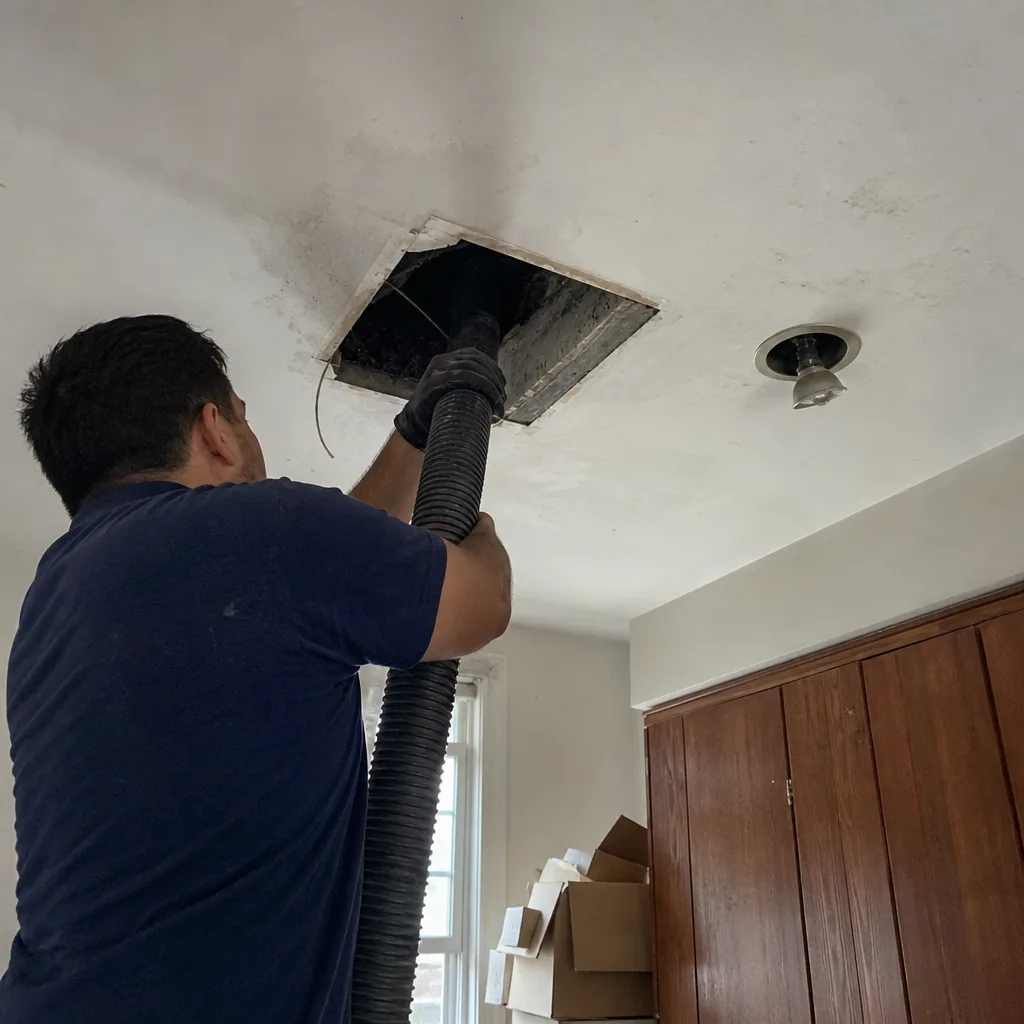 Before
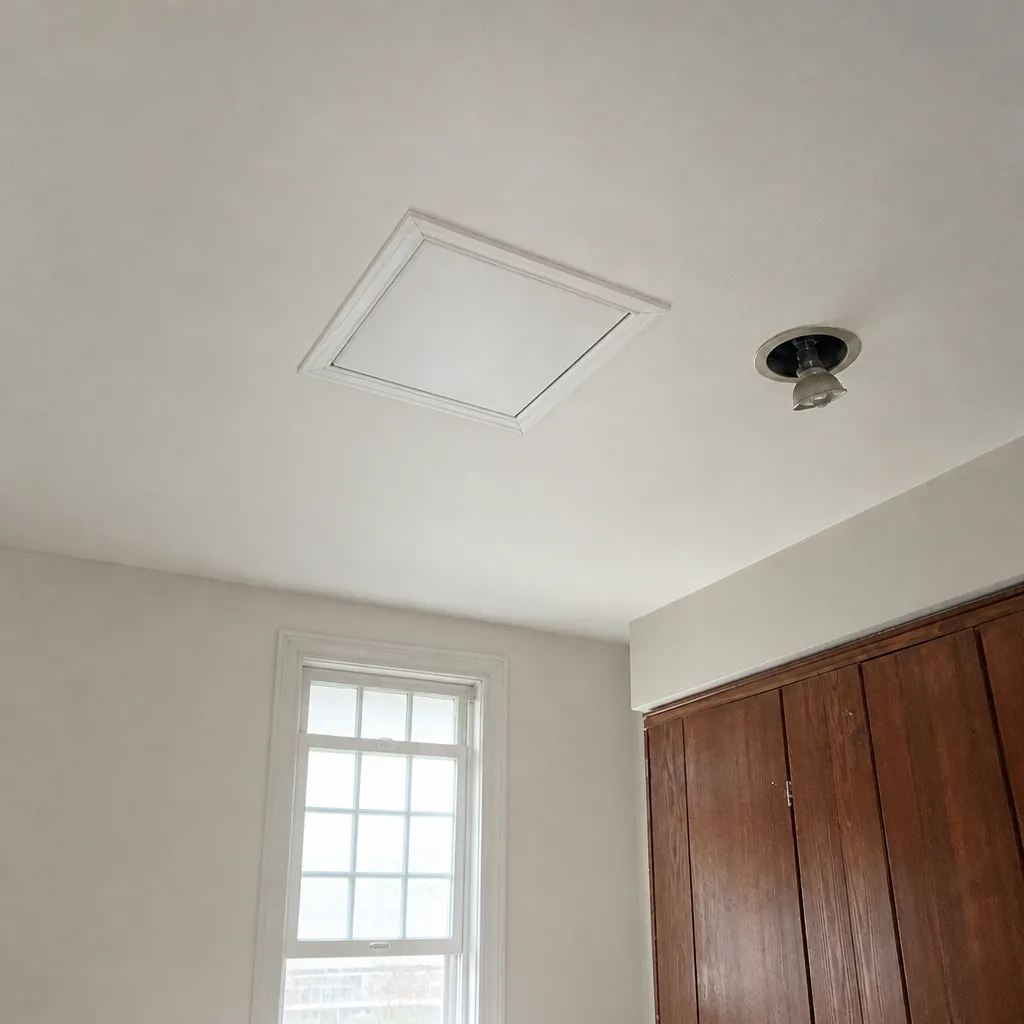 After
When to Call a Professional
Call a professional when you notice musty odors that return after cleaning, uneven airflow between rooms, visible dust around the registers after the HVAC runs, or allergy symptoms that get worse indoors. Call when a duct system has never been inspected and the home is more than a couple of decades old – it’s the kind of thing that gets found by opening the system and looking, not by guessing. Call when a co-op or condo board has flagged HVAC work or when you’re preparing to sell and need documentation. And call when a cleaning estimate doesn’t include an inspection of the accessible system; that’s a signal the scope is too narrow. Forest Hills Air Duct Cleaning offers free estimates in Forest Hills – call (844) 274-2194.
Frequently Asked Questions
No. Air duct cleaning does not require a permit in Forest Hills or anywhere in New York City. Cleaning is maintenance, not construction. Call (844) 274-2194 for an exact quote – estimates are free.
Often, yes. Mechanical duct work – replacing or reconnecting runs, modifying the plenum, altering duct sizing, or penetrating a rated assembly – falls under the NYC Mechanical Code and generally requires a licensed contractor. Cleaning does not. The distinction matters because a cleaning can reveal repair needs that neither the homeowner nor the contractor expected. Call (844) 274-2194 for an exact quote – estimates are free.
In many Forest Hills buildings, yes – even for a permit-free cleaning. Boards commonly require a signed alteration agreement, a certificate of insurance naming the building, and sometimes a review of the scope. Check with the property manager before scheduling. Call (844) 274-2194 for an exact quote – estimates are free.
The inspector checks that permitted work matches the approved scope and the NYC Mechanical Code: duct material listing, support and sag, joint sealing, clearance to combustibles, return air pathways, fire separation integrity, and access for maintenance. Routine cleaning doesn’t trigger an inspection. Call (844) 274-2194 for an exact quote – estimates are free.
Keep the written estimate, final invoice, before-and-after photos, the contractor’s license and insurance documents, any permit and inspection records, product documentation for replaced components, and a short written summary of what was found and repaired. This is what protects you at resale, when NYC disclosure rules come into play. Call (844) 274-2194 for an exact quote – estimates are free.
Pricing depends on the size and complexity of the system – the number of runs, whether the ducts are accessible, and whether the job includes a dryer vent or HVAC cleaning. That’s why we don’t quote per vent or lead with a teaser price. The flat price is set per job by the written estimate and agreed before work starts, and it includes before-and-after photos of your own ducts. A very low quote usually covers a smaller scope than it appears to, or skips the inspection and documentation that make the work count. Call (844) 274-2194 for an exact quote – estimates are free.
The Bottom Line
Duct cleaning doesn’t need a permit in Forest Hills. The work that sometimes follows it does, and the line between the two is the scope, not the price. Cleaning is maintenance. Repair, replacement, and connection changes are mechanical work governed by the NYC Mechanical Code and often require a licensed contractor. Co-op and condo boards impose their own rules on top, and those rules can require approval even when the DOB doesn’t. Keep documentation. Ask the license question before work begins. And treat the whole pathway – cleaning, sealing, filtration, and sanitizing – as one system, because a clean duct that leaks is still a leak.
If you’ve noticed odors, uneven airflow, or dust that keeps coming back, it’s worth a look. We answer 24/7. Fast dispatch from 7am to 7pm, Sunday through Friday. Call (844) 274-2194 for a free estimate from Forest Hills Air Duct Cleaning.
Written by the team at Forest Hills Air Duct Cleaning.